Lahore Air Quality Improves as AQI Drops to 181
Punjab Government’s Zero-Tolerance Anti-Smog Plan Shows Results
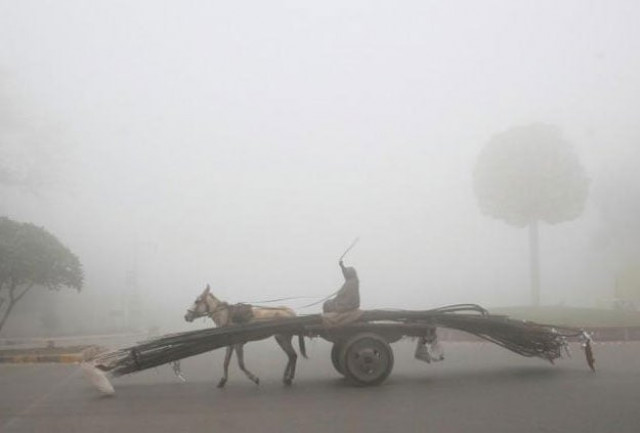
Lahore, one of Pakistan’s largest and most polluted cities, has finally witnessed a noticeable improvement in air quality. According to official data, Lahore’s Air Quality Index (AQI) dropped to 181, which is significantly better than previous years during mid-December. This positive change has brought relief to residents who have long suffered from severe smog, health issues, and poor visibility.
Authorities credit this improvement to the Punjab government’s strict anti-smog measures, favorable weather conditions, and continuous monitoring under a zero-tolerance policy. While the air quality is still not ideal, experts believe this is a strong step in the right direction.
What Does an AQI of 181 Mean for Lahore?
An AQI level of 181 falls under the category of “Unhealthy”, but it is far better compared to the “Very Unhealthy” or “Hazardous” levels Lahore often records in winter.
AQI Categories Explained (Simple Guide)
- 0–50: Good (Safe air)
- 51–100: Moderate
- 101–150: Unhealthy for sensitive groups
- 151–200: Unhealthy
- 201–300: Very Unhealthy
- 301+: Hazardous
Although 181 is still unhealthy, it is a major improvement compared to past years, when AQI often crossed 300 or even 400 during December.
Weather Conditions Help Reduce Smog in Lahore
One of the key reasons behind the improved air quality is favorable weather conditions.
Wind Speed Played a Crucial Role
According to official reports:
- Wind speed ranged between 8 to 10 km/h
- This helped disperse polluted air and reduce smog concentration
Smog usually worsens when wind speed is low and pollutants remain trapped near the ground. The increased air movement allowed pollutants to spread out instead of accumulating over the city.
Temperature Also Supported Better Air Quality
- Expected temperature: Around 24°C
- Warmer daytime temperatures help prevent dense smog formation
Experts say weather alone cannot solve smog, but it supports government actions in reducing pollution levels.
Punjab Government’s Anti-Smog Plan: Zero-Tolerance Policy Explained
The Punjab government has been actively implementing a comprehensive anti-smog plan with a zero-tolerance approach toward polluters.
What Is Zero-Tolerance Policy?
Zero-tolerance means:
- No industry, vehicle, or sector is exempt
- Immediate fines, closures, or legal action against violators
- Continuous inspections without prior notice
Officials say this strict stance is finally producing visible results.
Crackdown on Major Causes of Smog in Punjab
Smog in Lahore and other cities is caused by multiple factors. The government has targeted the main contributors.
1. Industrial Emissions Monitoring
Industries are one of the biggest sources of air pollution.
Actions taken:
- Continuous inspection of factories
- Monitoring smoke levels and chimneys
- Immediate shutdown of non-compliant units
- Installation of emission control systems
Industrial zones are now under round-the-clock surveillance to ensure compliance with environmental laws.
2. Action Against Brick Kilns
Traditional brick kilns are a major contributor to winter smog.
Government measures include:
- Shifting old kilns to zigzag technology
- Closing illegal or non-converted kilns
- Heavy fines for violations
Zigzag kilns reduce smoke emissions by up to 60%, making them a key part of the anti-smog strategy.
3. Smoke-Emitting Vehicles Under Strict Watch
Vehicle emissions significantly worsen Lahore’s air quality.
Steps taken:
- Roadside emission checks
- Fines and impounding of smoke-emitting vehicles
- Increased monitoring at traffic hotspots
- Promotion of public transport and carpooling
Traffic police and environmental teams are working together to reduce vehicular pollution.
Anti-Smog Squads Fully Operational Across Lahore
Punjab Chief Minister has made anti-smog squads fully operational, ensuring 24/7 monitoring.
Where Are Anti-Smog Squads Working?
These squads are actively inspecting:
- Industrial areas
- Construction sites
- Major roads and traffic junctions
- Brick kiln zones
- Commercial hubs
They use modern tools to measure air pollution levels and take immediate action where required.
Role of Construction Sites in Smog Reduction
Dust from construction sites also contributes to poor air quality.
Government instructions include:
- Mandatory covering of construction material
- Water sprinkling to control dust
- Suspension of projects violating rules
Many construction sites have already been fined or temporarily shut down for non-compliance.
Punjab Senior Minister Marriyum Aurangzeb’s Message to Citizens
Senior Provincial Minister Marriyum Aurangzeb emphasized that government efforts alone are not enough.
She urged citizens to:
- Wear masks when outdoors
- Avoid unnecessary outdoor activities
- Protect children, elderly, and patients
- Follow environmental guidelines strictly
She stressed that public cooperation is essential for long-term smog control.
Health Impact of Smog and Why Improvement Matters
Smog has severe effects on public health, especially in cities like Lahore.
Common Health Problems Caused by Smog
- Breathing difficulties
- Asthma attacks
- Eye irritation
- Throat infections
- Heart and lung diseases
Improved air quality reduces hospital visits, improves productivity, and enhances overall quality of life.
Why Lahore’s AQI Improvement Is Important for Pakistan
Lahore’s air quality often reflects pollution trends across Punjab.
Benefits of improvement include:
- Better public health outcomes
- Reduced healthcare costs
- Positive global image
- Environmental sustainability
- Support for tourism and business
Experts believe consistent enforcement can turn this temporary relief into a permanent solution.
Challenges Still Ahead in Eliminating Smog
Despite improvement, challenges remain:
- Rapid urbanization
- Increase in vehicles
- Industrial expansion
- Crop residue burning in nearby areas
- Lack of public awareness
Authorities admit that smog elimination is a long-term process, not a one-time effort.
Long-Term Solutions to Control Smog in Lahore
Environmental experts suggest the following long-term measures:
Sustainable Transport
- Electric buses
- Improved public transport
- Bicycle lanes
Green Energy
- Solar and renewable energy
- Reduced dependence on fossil fuels
Urban Planning
- More green belts
- Controlled construction
- Tree plantation drives
Public Awareness
- Education campaigns
- Community participation
- School-level environmental education
Can Lahore Maintain Improved Air Quality?
Officials believe that consistent enforcement, strict monitoring, and public support can help maintain better air quality.
The government plans to:
- Expand air quality monitoring stations
- Strengthen environmental laws
- Increase penalties for polluters
- Promote clean energy alternatives
If these steps continue, Lahore may see even better AQI levels in the coming weeks.
Conclusion
The drop of Lahore’s AQI to 181 is a positive and encouraging development, especially during peak smog season. The improvement shows that strict governance, zero-tolerance enforcement, and favorable weather can collectively reduce pollution.
However, sustaining this progress requires continued government action and responsible public behavior. Smog is not just a government problem—it is a shared challenge. With collective effort, Lahore can move toward cleaner air and a healthier future.
5 Important FAQs
1. Is AQI 181 safe for everyone?
No, AQI 181 is still unhealthy, especially for children, elderly, and patients.
2. What caused the improvement in Lahore’s air quality?
Strict anti-smog actions and favorable wind conditions helped reduce pollution.
3. Is the anti-smog policy temporary?
No, the Punjab government says it is a long-term zero-tolerance policy.
4. Should people still wear masks?
Yes, masks are advised until AQI improves further.
5. Can Lahore completely eliminate smog?
Complete elimination is difficult, but strong enforcement can significantly reduce it.