
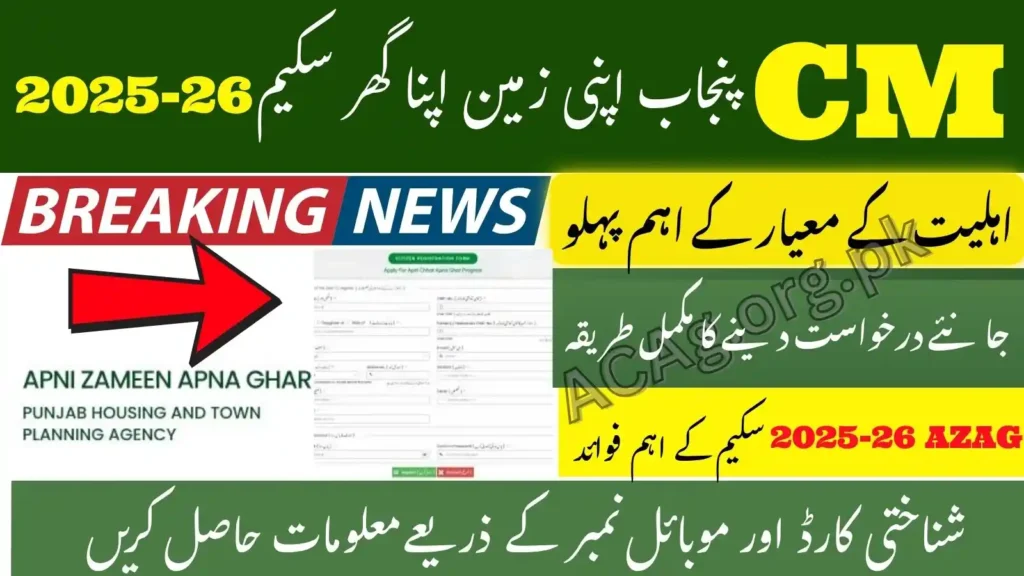
The AZAG Program 2025, also known as Apni Zameen Apna Ghar (AZAG), is a groundbreaking initiative launched by the Government of Pakistan to provide affordable housing solutions to low- and middle-income families across the country. With the ever-increasing costs of housing, millions of Pakistanis—especially those from underprivileged backgrounds—struggle to find a decent place to live. For many, the dream of owning a home has seemed out of reach due to skyrocketing rents and limited housing options. The AZAG Program is designed to change that, offering an opportunity for families to secure affordable homes and reduce the financial burden of renting.
Affordable housing has always been a pressing issue in Pakistan, with many families living in substandard conditions or paying exorbitant rents that consume a large portion of their income. This issue is especially significant for families who do not have access to financial resources, making homeownership an unattainable goal. The AZAG Program aims to address these challenges by providing a structured path to homeownership for those who need it most. By offering homes at subsidized rates, the program ensures that families can transition from renting to owning their own homes, providing long-term stability and improving overall quality of life.
This comprehensive guide is designed to take you through every aspect of the AZAG Program 2025, giving you all the necessary details to successfully navigate the application process. From understanding the eligibility criteria to registering for the program, and learning about the key benefits, this guide will ensure that you have all the information you need to secure a home under the Apni Zameen Apna Ghar initiative. Whether you’re unsure about how to apply or looking for guidance on how to make your application stand out, this guide will help you step-by-step in your journey towards affordable housing.
What is the AZAG Program 2025?
The AZAG (Apni Zameen Apna Ghar) Program was introduced by the Government of Pakistan with the goal of ensuring that every Pakistani family has access to affordable housing. Under this program, low-income families can apply for government-supported homes, thus moving away from the financial strain of renting.
In the past, many families in Pakistan found themselves caught in an endless cycle of renting homes that they could not afford, or living in conditions that were unsafe, overcrowded, or unsuitable for long-term residency. The AZAG Program offers a solution by providing families with the opportunity to own homes at highly subsidized rates.
AZAG Program 2025 Eligibility Criteria: Who Can Apply?
To ensure the AZAG Program reaches those who need it most, applicants must meet certain eligibility requirements. Understanding these criteria is crucial before beginning the application process. Below is a detailed breakdown of the eligibility criteria:
- Income Limit
The program primarily targets low-income families. To qualify, your family’s combined monthly income must fall within the government-defined income brackets. The specific limits may change based on your region and other factors. - Residency Requirements
Only Pakistani nationals who have resided in the country for a specified period are eligible to apply. Additionally, applicants must provide proof of residence in the target region where the housing will be allocated. This ensures that families who are living in less developed areas or who face more difficulty accessing housing are prioritized. - Family Size
The program aims to help families, especially those with multiple dependents, such as children or elderly parents. Larger families are prioritized in the housing distribution process. - No Ownership of Property
One of the critical eligibility requirements is that applicants should not own any other property, whether residential or commercial. This ensures that the housing benefits go to those who do not already have access to a home or land. - Documentation
Applicants must provide specific documents, such as:- National Identity Card (CNIC)
- Proof of income (salary slips, tax returns, etc.)
- Utility bills (electricity, water, gas, etc.) for proof of residency
- Family registration documents to establish the family size
Step-by-Step Guide to Registering for AZAG Housing
The process of applying for the AZAG Program 2025 is straightforward. However, following the steps correctly is crucial for ensuring that your application is processed smoothly. Here’s how you can apply:
Step 1: Visit the Official AZAG Registration Portal
Go to the official AZAG Program 2025 registration portal. You will need to create an account by providing your basic information, such as name, CNIC, and contact details.
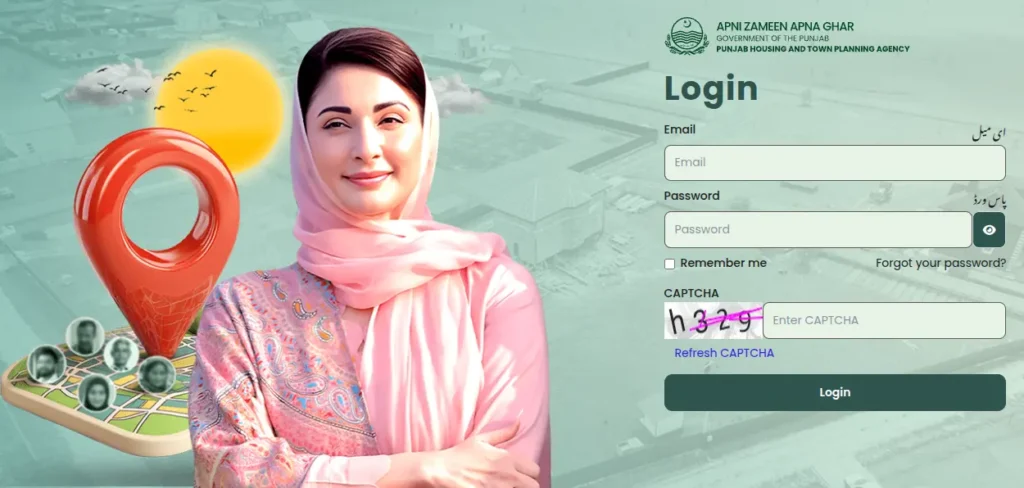
Step 2: Fill Out the Application Form
Once you’ve logged in, fill out the detailed application form. You’ll need to provide:
- Personal Details: Full name, CNIC number, family details, etc.
- Income Details: Information about your monthly or annual income and the income sources for all family members.
- Residency Information: Address and proof of where you live.
- Property Status: Confirmation that you do not own any property.
Step 3: Submit Required Documents
Along with the application form, you must upload the required documents mentioned earlier. These documents will be reviewed to confirm your eligibility.
Step 4: Application Processing
Once your application is submitted, the authorities will review it. If everything is in order, your application will move to the next stage for processing.
Step 5: Confirmation of Application
After the review, you will receive an email or SMS notification confirming your application status. If successful, you will be notified when your housing application is selected.
Step 6: Housing Allocation
If your application is approved, you will receive further instructions on house selection, payment plans, and the completion of the housing process.
Key Dates and Deadlines for AZAG Registration
The AZAG Program 2025 is structured to have strict deadlines. Missing any of these deadlines could result in disqualification. Here are the crucial dates to note:
The AZAG Program 2025 follows a structured timeline, and it is important to stay on top of these deadlines to ensure a smooth application process. The registration period is expected to begin and end within a specified time frame, during which eligible applicants must submit their applications to be considered for the program. Following the registration period, the eligibility confirmation date and result declaration date will be announced soon, so be sure to monitor updates from the official channels.
The house allocation period is expected shortly after the results are declared, and successful applicants will receive further instructions regarding the next steps. Finally, it is crucial to remember the final payment deadline, which will mark the end of the application process. To avoid any inconvenience, applicants should keep a close watch on these expected dates and stay updated with official announcements.
Benefits of the Apni Zameen Apna Ghar Scheme 2025:
The AZAG Program 2025 (Apni Zameen Apna Ghar) offers a variety of advantages that can have a profound impact on the lives of eligible families. By providing affordable housing opportunities, this initiative is designed to alleviate some of the most pressing challenges faced by low- and middle-income families. Here’s an in-depth look at the key benefits that make the AZAG Program such an important initiative for many families across Pakistan:
1. Affordable Housing Options
The primary benefit of the AZAG Program 2025 is that it makes homeownership affordable for families who might otherwise struggle to buy a house due to high real estate prices. This initiative is designed to offer houses at prices that are far lower than the market rate. For low- and middle-income families, this is an invaluable opportunity to own a home without the financial burden associated with traditional property prices. The government’s subsidies and support ensure that families can transition from renting homes to owning their own property at a fraction of the usual cost, making it a financially viable option for many who dream of homeownership.
With affordable housing options, families can stop living in rented homes where the landlord controls their living situation. Instead, they gain control over their own living space, something that most renters can only dream about. This is a major step toward achieving greater financial independence and security.
2. Improved Quality of Life
Owning a home provides a significant boost to the quality of life for families. When people own their homes, they experience a greater sense of stability and security compared to those living in rental properties. The peace of mind that comes with knowing that you are not at the mercy of rising rents, evictions, or unstable living conditions is invaluable. It fosters a sense of ownership and pride in one’s property, which can lead to improved mental and emotional well-being.
In addition to the psychological benefits, homeownership provides physical benefits as well. Families are no longer forced to live in cramped, substandard rental properties. The AZAG Program gives families the chance to move into homes that suit their needs, with proper infrastructure and facilities, ultimately contributing to healthier living conditions. Children, in particular, benefit from the stability of growing up in a secure, permanent home, which positively affects their development, education, and future opportunities.
3. Reduction in Monthly Expenses
One of the most immediate and noticeable benefits of homeownership is the reduction in monthly expenses. Rent payments can take up a significant portion of a family’s monthly income, leaving little for other essential needs such as healthcare, education, or savings. Under the AZAG Program, once families own their homes, they no longer need to worry about paying escalating rents or living in housing that takes up a disproportionate part of their budget.
This reduction in housing expenses opens up the opportunity for families to allocate funds to other crucial areas, including:
- Children’s Education: With the money saved from not paying rent, families can invest in their children’s education, leading to better long-term outcomes.
- Healthcare: Families can now prioritize medical expenses or insurance, ensuring that they are better prepared for health-related issues.
- Savings: Freeing up monthly funds for savings ensures that families have a financial cushion for emergencies or long-term goals, such as buying a car or planning for retirement.
4. Long-Term Stability
One of the most significant long-term advantages of the AZAG Program is the stability it brings to families. Once a family owns their home, they are no longer subject to the unpredictability of the rental market. Rental prices may fluctuate, and landlords may decide to raise rents or ask tenants to vacate. Homeownership, however, provides permanence and stability.
Long-term stability is not just financial—there are social benefits too. Children growing up in a stable home environment are more likely to succeed academically and socially. Moreover, homeownership provides families with the ability to settle into a community, contributing to the social and economic development of the area. Stable housing also enhances families’ ability to access consistent healthcare, build relationships, and form long-lasting connections within their community. It offers the security needed to plan for the future and invest in long-term goals.
5. Government Support and Transparency
The AZAG Program is not just a housing initiative; it is a government-backed program aimed at addressing one of the country’s most pressing issues—housing affordability. As such, the program benefits from the transparency, reliability, and support that come with being a government-run initiative. Families can trust that the application process will be fair, and they will receive clear, consistent guidance throughout every step of their application journey.
Additionally, the government ensures that the program is accessible to a broad range of families, particularly those who might not otherwise be able to afford a home. With government subsidies, loans, and other forms of assistance, families are not left to navigate the complex real estate market alone. Whether it’s applying for the program, understanding the available subsidies, or receiving assistance with paperwork, the AZAG Program provides ongoing support to ensure that families can successfully secure housing.
The program’s government-backed nature also adds an element of trust and confidence. Families can feel secure in the knowledge that they are being assisted by a system that is designed to prioritize their welfare and support their long-term housing needs. The official oversight ensures that there is accountability in how homes are allocated, reducing the likelihood of corruption or unfair practices.
Common Questions About AZAG Housing Subsidy 2025:
Here are some frequently asked questions (FAQs) that may help clarify common doubts about the AZAG Program 2025:
1. Can I apply if I already own property?
No, the AZAG Program is specifically for individuals and families who do not already own any residential property. Applicants must not have ownership of any house or land to be eligible for the program.
2. What is the deadline for AZAG registration?
The registration period for the AZAG Program typically lasts for a few weeks. To ensure you don’t miss out, check the official website regularly for the exact dates and deadlines.
3. How do I know if my application was successful?
After your application is processed, you will receive a confirmation notification via email or SMS. If your application is successful, you will also receive further instructions regarding the next steps.
4. Can I apply for a house in any city?
Yes, you can apply for a house in any city, provided you meet the residency requirements for that specific area. Make sure to confirm the eligibility for your desired location before applying.
5. How much will the housing cost?
The cost of the housing depends on several factors, such as the location, family size, and government subsidies available in that region. However, the prices are generally much lower than the market value, ensuring affordability for eligible families.
6. What are the income limits for eligibility?
The AZAG Program is targeted at low- and middle-income families. The specific income limits may vary, so it is important to check the official guidelines to determine if your household falls within the eligible income range.
7. What documents are required to apply for the AZAG Program?
You will need to submit several documents with your application, including:
National Identity Card (CNIC)
Proof of income (salary slips, tax returns, etc.)
Utility bills (for proof of residency)
Family registration documents
8. Can I apply if I am a single person or a small family?
Yes, the AZAG Program is open to all eligible families, including single individuals and smaller families. The program aims to support those in need of affordable housing, regardless of family size.
9. How do I check the status of my application?
You can track the status of your application by logging into the official registration portal. You will also receive periodic updates via email or SMS about your application’s progress.
10. What if I miss the registration deadline?
If you miss the registration deadline, you will have to wait until the next application period opens. Keep an eye on the official announcements for future registration dates.
Real-Life Success Stories: How AZAG is Changing Lives
The AZAG Program has already impacted the lives of many families in Pakistan. Here are a few success stories:
- Sara’s Story: Sara, a single mother with two children, was living in a rented apartment that was too small for her family. After applying for the AZAG Program, she was successfully allocated a house, giving her children a better place to live and allowing her to save on rent.
- Ahmed’s Journey: Ahmed, a factory worker, struggled to pay high rent and dreamed of owning a house. After being selected for the AZAG Program, Ahmed now lives in his own home, free from the constant worry of rising rent costs.
These real-life stories show how the AZAG Program is transforming the lives of ordinary people by giving them access to homeownership and improving their overall quality of life.
Conclusion: Take the First Step Towards Your Own Home
The AZAG Program 2025 is more than just an affordable housing initiative; it is a chance for low-income families to break free from the cycle of renting and start building their future with a stable and secure home. By following the steps outlined in this guide and meeting the eligibility requirements, you can be on your way to applying for affordable housing under the Apni Zameen Apna Ghar program.
Don’t miss this opportunity to improve your living conditions and provide your family with the stability they deserve. Apply today, and take the first step towards owning your dream home!