FBR Approves Increase in Reward Ceiling to 24 Salaries for Inland Revenue Staff – Complete Details
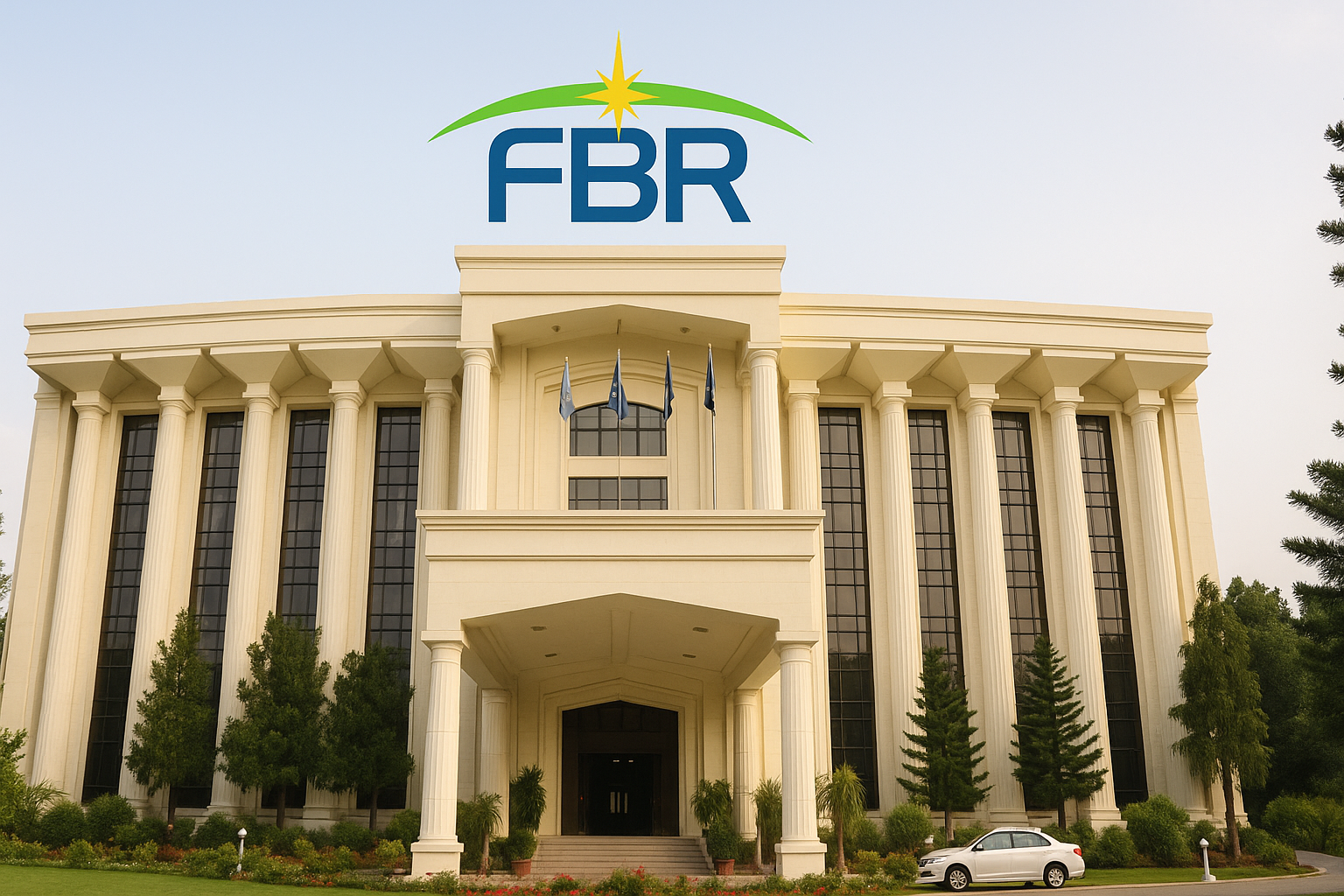
The Federal Board of Revenue (FBR) has officially approved a major increase in the reward ceiling for Inland Revenue (IR) employees. Under the new decision, the reward limit has been raised from 18 salaries to 24 salaries per financial year for meritorious services. This is a big development for thousands of FBR Inland Revenue officers and staff who work in taxation, enforcement, audit, compliance, and revenue mobilization.
This 1500-word detailed article explains the entire update, including the new reward structure, evaluation categories, performance criteria, IT-based mechanism, meeting decisions, and what this change means for FBR officers and Pakistan’s tax system.

Why FBR Increased the Reward Ceiling? – Major Background
The Federal Board of Revenue plays a vital role in Pakistan’s economy by collecting taxes, improving compliance, and combating tax fraud. For many years, Inland Revenue officials demanded a review of the reward rules, arguing that:
- The workload had increased
- Revenue targets were becoming tougher
- Enforcement operations required better incentives
- Reward rules were outdated and needed modernization
By increasing the reward cap from 18 to 24 salaries, the FBR aims to boost motivation, transparency, and performance among officers and staff.
Key Decision: Reward Limit Rises to 24 Salaries
One of the biggest decisions in the 3rd FBR Board-in-Council meeting (FY 2025–26) was the approval of amendments to the Inland Revenue Reward Rules, 2021.
What Has Changed?
| Previous Reward Limit | New Reward Limit | Category |
|---|---|---|
| 18 Salaries | 24 Salaries | Inland Revenue staff/officers |
This increase applies to all employees covered under Rule 6 of the Inland Revenue Reward Rules.
This means high-performing IR officials may now receive up to 24 months of basic salary in rewards based on:
- Performance
- Output
- Target achievement
- Special assignments
- Meritorious contributions
Meeting Details – Who Approved the Changes?
The major decisions were taken at the FBR Headquarters Islamabad, chaired by the FBR Chairman.
Read Also: VIP Protocol Causes Major Traffic Jam at Bus Launch – Thousands Stranded
Attendees
- Senior board members
- Member (Admin & HR)
- Member Inland Revenue
- Member Customs
- PRAL representatives
- Other key officials
Three board members were on approved leave.
Consensus Decision
The Board unanimously approved the reward enhancement, showing strong support for improving staff motivation and performance.
New Evaluation Framework for Rewards
FBR has introduced a detailed and modern performance evaluation system for determining quarterly rewards for:
- Ex-cadre officers (BS-16 and above)
- Ex-cadre staff (BS-1 to BS-15)
This is designed to ensure that rewards are given based on merit, not favoritism.
Read More: PSER in AZAG Scheme Registration – Mandatory Requirement Explained
Performance Tiers for Reward Eligibility
Under the new framework, FBR will categorize employees into performance tiers:
Tier 1 – Outstanding Performance
- Top category
- Eligible for maximum rewards
- High productivity
- Achievement of quarterly KPIs
- Extra contributions in enforcement & audits
Tier 2 – Very Good Performance
- Above-average productivity
- Meeting most KPIs
- Good compliance record
Tier 3 – Satisfactory Performance
- Eligible for lower reward percentage
- Basic performance level
- Limited enforcement involvement
Tier 4 – Below Standard Performance
- Not eligible for quarterly rewards
These tiers will ensure transparency, fairness, and accountability.
Weighted Assessment Mechanism – How Officers Will Be Evaluated
The new reward system will involve the following evaluation layers:
1. Commissioners
- Initial evaluation
- Performance scoring
- KPI assessment
2. Assessment Committee
- Review of commissioner’s recommendations
- Weightage assignment
- Ensures fairness
3. FBR Senior Members
- Final approval
- Verification
- Random checks for transparency
This multi-stage review will prevent favoritism and ensure that rewards are based on documented performance.
Some board members proposed revisiting the weightage assigned to the committee, but the majority agreed on keeping the proposed system intact.
New System to Be Fully IT-Based – PRAL Assigned Responsibility
To avoid manual interference and ensure transparency, the board approved a fully digital reward evaluation system.
Key Features of the IT-Based System
- Online scoring system
- Digital evaluation forms
- Automated reward calculations
- No manual paperwork
- Full transparency
- Activity-based performance tracking
PRAL has been given a strict instruction to deploy the system within 7 days.
This will modernize FBR’s internal processes and reduce corruption, favoritism, and manipulation.
Comparison with Customs Department Rewards
During the meeting, the Board noted that:
- The Customs Reward Rules 2012 already allow rewards up to 36 months’ basic salary
- Therefore, no amendment is needed for the Customs department
This highlights that Inland Revenue was lagging behind, and the new reform helps close that gap.
Cadre Officers Will Not Be Excluded
Some proposals suggested excluding cadre officers from the new structure.
However, the board did not support this suggestion.
Final Decision
- Cadre officers will remain part of the reward framework
- Exceptional performance rewards for them will be discussed in the next meeting
This ensures that no officer category is unfairly left out.
Impact of 24-Salary Reward Structure on Inland Revenue Performance
Raising the reward limit is expected to bring significant improvements in:
1. Revenue Collection
Higher motivation → better audits, improved enforcement, and higher tax recovery.
2. Compliance Enforcement
Reward-based incentives can improve compliance actions against:
- Tax evasion
- Fake invoices
- Under-reporting
- Illegal businesses
3. Staff Morale
Better rewards increase:
- Job satisfaction
- Productivity
- Sense of recognition
4. Transparency
The new IT system ensures:
- No favoritism
- Fair scoring
- Clear ranking
5. Professionalism and Discipline
Employees will aim to meet KPIs and deliver results.
Why This Reform Matters for Pakistan’s Economy?
Pakistan is facing tough economic conditions, including:
- Tax shortfalls
- IMF requirements
- Low documentation
- High evasion levels
By increasing the reward limit to 24 salaries and improving performance evaluation, FBR aims to:
- Boost tax revenue
- Improve compliance culture
- Strengthen governance
- Achieve annual revenue targets
This decision ultimately supports national economic stabilization.
FBR Reward Increase – Key Highlights Summary
- Reward limit increased from 18 to 24 salaries
- Applies to Inland Revenue officers & staff
- New performance-tier system introduced
- Ex-cadre officers and staff divided into categories
- Weighted evaluation by commissioners, committees, and senior members
- System will be fully IT-based
- PRAL to deploy digital system in 7 days
- Customs already eligible for up to 36 salaries – no change
- Cadre officers included in reward system
Frequently Asked Questions (FAQs)
1. What is the new FBR reward limit?
The reward ceiling has been increased from 18 salaries to 24 salaries per financial year.
2. Who will get these rewards?
All Inland Revenue officers and staff covered under Rule 6 of the Inland Revenue Reward Rules.
3. How will employees be evaluated for rewards?
Through a tier-based performance system and a weighted evaluation by commissioners, committees, and senior FBR officials.
4. Is the system manual or digital?
The new evaluation and reward system will be fully IT-based.
5. Does this change apply to Customs officers?
No. Customs already has a 36-salary reward limit, so no amendment is required.