Maryam Nawaz to Launch Modern Electric Bus Service in Rawalpindi – Big Step for Clean Transport
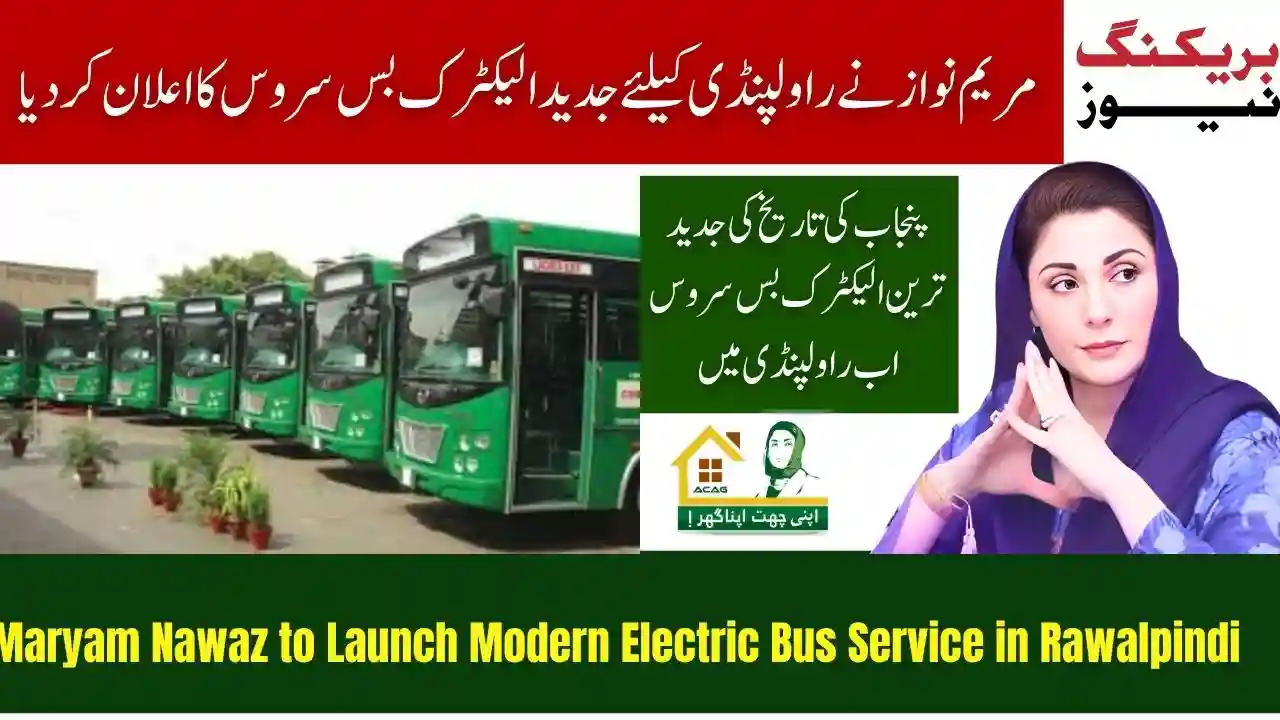
Maryam Nawaz to Launch Modern Electric Bus Service in Rawalpindi is moving toward a cleaner and greener future with the launch of Pakistan’s most advanced Modern Electric Bus Service in Rawalpindi, announced under the leadership of Chief Minister Maryam Nawaz. This new electric bus project is part of Punjab’s broader clean-transport policy to reduce pollution, lower fuel dependency, and modernize urban mobility for millions of daily commuters.
Rawalpindi, one of the busiest cities of Punjab, faces severe air pollution, traffic congestion, and rising fuel costs. The electric bus initiative aims to address these challenges by bringing zero-emission, cost-efficient, and technology-driven buses to the city for the first time.
What Is the Electric Bus Service in Rawalpindi? – Key Keyword Overview
The Electric Bus Service in Rawalpindi is a state-of-the-art public transport project that will operate fully electric, air-conditioned, low-floor buses with modern digital features. These buses will run on high-demand urban routes, providing a clean alternative to petrol/diesel buses and wagons.
This project supports Punjab’s vision of building a sustainable transport network, reducing traffic pollution, and improving the overall passenger experience.
Maryam Nawaz’s Vision Behind the Electric Bus Service – Clean Transport Initiative
Chief Minister Maryam Nawaz has announced multiple green-transport programs under her Clean & Green Punjab initiative. The Rawalpindi Electric Bus Service is one of the most important steps toward:
- Reducing air pollution levels
- Promoting eco-friendly travel
- Lowering fuel consumption
- Providing safe, comfortable, and affordable transport options
- Digitalizing Punjab’s public transport system
Under this project, Rawalpindi will become the first city after Lahore to introduce a modern EV bus fleet.
Features of the Modern Electric Buses – Latest EV Technology
The Modern Electric Bus Service includes world-class features designed for comfort, safety, and accessibility:
✔ Zero-Emission Electric Motors
Runs entirely on electric power, reducing carbon emissions and noise.
✔ Fully Air-Conditioned Interior
Passengers will experience cool, comfortable travel even in peak summer.
✔ Low-Floor & Disability-Friendly Design
Wheelchair ramps and wide entry doors ensure accessibility for disabled and elderly passengers.
✔ GPS Tracking & Real-Time Route Updates
Commuters can track buses using a mobile app — reducing waiting time.
✔ Modern Seating & Spacious Interiors
High-quality seats, wide aisles, and large standing space.
✔ Onboard CCTV Cameras
Ensures women, students, and general travellers feel safe.
✔ Fast Charging Technology
Buses can be fully charged within 20–40 minutes using advanced charging docks.

Electric Bus Routes in Rawalpindi – Expected High-Demand Corridors
While the final route plan will be revealed by the Punjab Transport Department, the electric buses are expected to operate on major corridors, including:
- Saddar → Faizabad
- 6th Road → IJP Road Corridor
- Rawalpindi to Islamabad Route (Metro Integration)
- Murree Road High-Traffic Line
- Rawal Road – Khanna Pul Corridor
These routes will cover educational institutions, government offices, hospitals, and commercial zones for maximum coverage.
How Electric Bus Service Will Benefit Rawalpindi – Key Impact
The launch of Maryam Nawaz’s Electric Bus Service will change the public transport landscape in multiple ways:
1. Reduced Pollution & Cleaner Air
Electric buses produce zero smoke and significantly cut PM2.5 and CO₂ emissions.
2. Lower Travel Cost for Students & Workers
Electric buses decrease operational expenses, allowing Punjab to offer lower fares compared to diesel buses.
3. Less Traffic Congestion
With more people choosing spacious electric buses, road traffic will reduce.
4. Improved Women’s Safety
Dedicated women’s sections and CCTV monitoring enhance safety.
5. Integration with Digital Transport Systems
Passengers will receive digital ticketing, mobile app tracking, QR-code boarding, and e-payment options.
Government Support & Funding – Clean Transport Revolution
The Punjab Government is providing:
- Special EV budget allocation
- Charging infrastructure installation
- Partnership with international EV manufacturers
- 24/7 monitoring & control system
- Development of EV maintenance facilities
This investment will support hundreds of jobs for:
- Drivers
- Mechanics
- Charging station operators
- Transport staff
Read More: Pakistan Gold Rate 20 November 2025 – Updated 24K Tola, Gram & Ounce Prices
Electric Bus Ticket System – Affordable & User-Friendly
The ticket pricing is expected to follow metro-style affordable rates, such as:
- Flat fare system (Rs. 30–50)
- Student concession cards
- Women safety cards
- Digital wallet & QR-code payments
- Punia Card / Punjab Travel Card integration
The goal is to make the service cheaper than rickshaws, vans, and wagons.
Charging Stations & Infrastructure Development
Punjab Transport Department is setting up:
✔ Fast-Charge Stations
Located at bus depots and major terminals.
✔ Overnight Charging Bays
For full recharging with minimal cost.
✔ Solar-Powered Charging Points
To reduce electricity cost.
✔ Smart Monitoring System
Charging status, battery levels, and bus performance can be monitored in real time.
Comparison with Existing Public Transport in Rawalpindi
| Transport Type | Issues | Electric Bus Advantages |
|---|---|---|
| Wagons | Overcrowded, unsafe, noisy | Safe, AC, modern |
| Rickshaws | High fare | Cheaper, more comfortable |
| Diesel Buses | Pollution & maintenance cost | Zero-emission, low maintenance |
| Metro | Limited route coverage | Electric buses expand connectivity |
Why Rawalpindi Was Chosen for Electric Bus Launch?
Rawalpindi faces:
- High air pollution
- Heavy traffic
- Large student population
- Thousands of daily commuters
- Connection with Islamabad
- Crowded Murree Road & Faizabad corridor
Introducing clean transport in such a high-demand zone will create maximum positive impact.
Economic Impact of Electric Bus Service
The project is expected to:
- Reduce annual fuel imports
- Lower transportation cost for thousands
- Increase employment
- Support local EV manufacturing
- Promote tourism (eco-friendly city image)
Punjab aims to shift 40% of urban buses to electric by 2030.
Read Also: Pakistan Post Digital Transformation Under Rs. 6 Billion Plan
Future Expansion – Electric Buses for Other Punjab Cities
After successful launch in Rawalpindi, electric buses will be introduced in:
- Lahore
- Multan
- Faisalabad
- Gujranwala
- Sialkot
- Bahawalpur
Punjab wants to build a complete EV ecosystem across all major cities.
FAQs – Maryam Nawaz Electric Bus Service in Rawalpindi
Q1: When will the Electric Bus Service start in Rawalpindi?
The service is expected to launch soon after testing, depot setup, and driver training are completed.
Q2: Will the electric buses be cheaper than normal buses?
Yes. Electric buses offer lower fares because their running cost is much less than diesel buses.
Q3: Which routes will the electric buses cover?
Major routes include Saddar–Faizabad, 6th Road–IJP Road, Murree Road, and routes connecting Rawalpindi with Islamabad.
Q4: Are electric buses safe for women?
Yes. They include CCTV, women-only sections, emergency alert buttons, and security teams.
Q5: How will the buses be charged?
They will use fast-charging stations installed across the city and depot-level overnight charging bays.
Q6: Will students get discounted fares?
Yes. A student-friendly fare card system is planned under Punjab’s subsidized travel policy.