Severe Snowfall Paralyzes Life in Chicago, Thousands of Flights Canceled – Full Details 2025
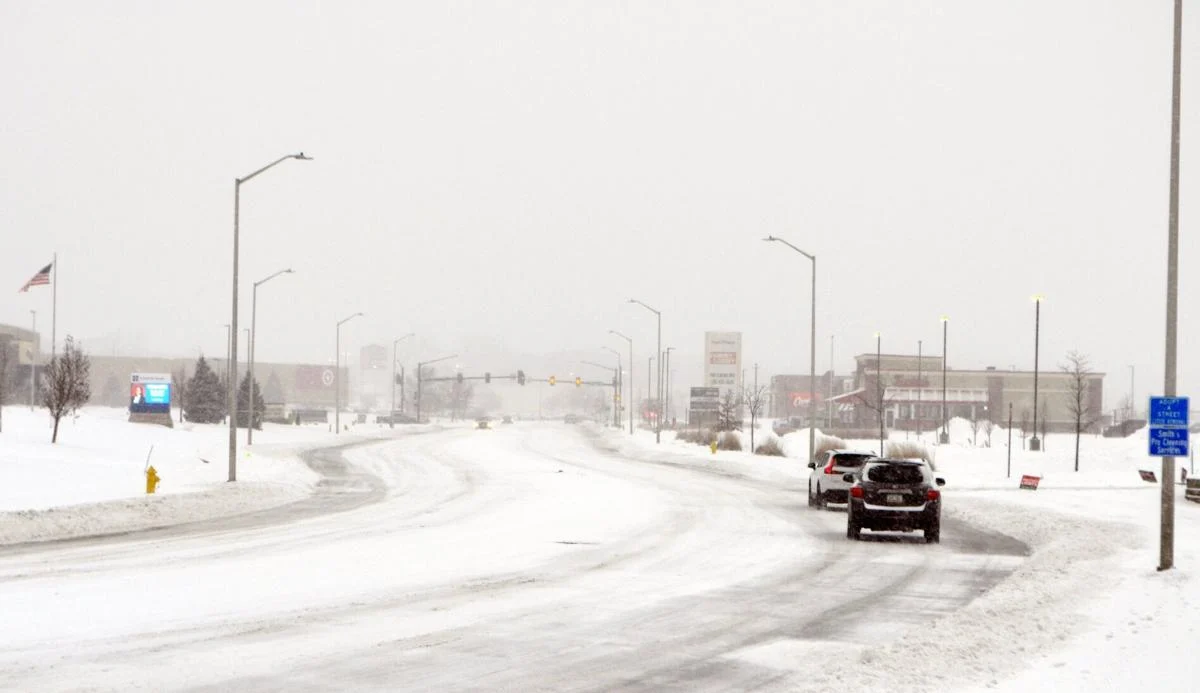
Chicago, one of the busiest cities in the United States, has been hit by record-breaking snowfall that has disrupted daily life, halted transportation, and triggered major travel chaos. The city is famous for its harsh winters, but this storm has surpassed previous records and created a severe emergency across the region.
According to U.S. media and weather authorities, the Great Lakes winter storm has impacted millions of people, with over 2,000 flights canceled, hundreds more delayed, and major roads blocked due to heavy snow and low visibility. The extreme weather has also forced authorities to issue urgent warnings asking residents to avoid unnecessary travel.
This article provides a complete, detailed overview of the Chicago snowfall emergency, including latest updates, travel conditions, airport situation, historical records, safety alerts, expert warnings, and public reactions.
What Happened in Chicago? – Overview of the Severe Snowfall
The National Weather Service (NWS) has confirmed that 8.4 inches (21.34 cm) of snow fell at O’Hare International Airport on Saturday, breaking the long-standing record of 8 inches from 1951.
This sudden and intense snowstorm brought:
- Heavy snowfall throughout Chicago
- Strong winds reducing visibility
- Dangerous road conditions
- Major disruptions at airports
- Slow movement on highways and city streets
- Closures of institutions and public facilities
The storm is part of a larger system affecting the Great Lakes region, including Illinois, Indiana, Wisconsin, and Michigan.
Read Also:Gold Rates in Pakistan Today – 26 November 2025 (Per Tola & Per Gram Latest Update)
Air Travel Chaos: Over 2,000 Flights Canceled
Chicago is home to O’Hare International Airport, one of the world’s busiest aviation hubs. The snowstorm caused:
- 2,000+ flight cancellations
- Hundreds of flight delays
- Long queues inside terminals
- Thousands of passengers stranded
- Missed connections and holiday travel disruptions
Airlines issued travel waivers, allowing passengers to rebook flights without additional charges.
Why Did Flights Get Canceled?
- Runways became slippery and unsafe
- Low visibility due to blowing snow
- Strong crosswinds prevented safe landings
- Airlines lacked enough de-icing crews and equipment
- Incoming flights were diverted to other cities
Airport authorities said that safety remains the top priority, and operations will resume gradually once weather conditions improve.
Roads Blocked, Travel Advisories Issued
Authorities across Chicago have strongly advised residents to avoid non-essential travel because:
- Roads are covered with layers of snow
- Ice has formed due to freezing temperatures
- Accidents increased due to skidding
- Public transport experienced delays
- Snow removal teams are struggling to keep up
Highways such as I-90, I-94, and I-55 faced slow traffic, and several minor collisions were reported.
Chicago City Life Comes to a Standstill
The severe snowfall has had a major impact on daily life:
- Schools considering temporary closures
- Businesses operating with limited staff
- Grocery stores and pharmacies facing delivery delays
- Outdoor events and gatherings postponed
- Emergency services working under pressure
Chicago residents shared videos of vehicles stuck on roads, trees bending under the weight of snow, and thick layers covering houses and shops.
Areas Affected the Most
1. O’Hare International Airport
The epicenter of the snowfall record and travel disruption.
2. Lake Michigan Shoreline
Areas near the lake received 12 inches (30 cm) of heavy, wet snow.
3. Western Michigan
Hundreds of churches shifted Sunday services online.
4. Northern Illinois Suburbs
Faced widespread power outages and blocked driveways.
Historical Record Broken After 73 Years
This storm broke a November snowfall record that stood since 1951.
| Year | Previous Record | New Record |
|---|---|---|
| 1951 | 8 inches | 8.4 inches |
| 2025 | — | New all-time high |
Meteorologists believe that lake-effect snow, combined with cold air from Canada, intensified the storm.
Why the Snowfall Became So Extreme – Weather Experts Explain
According to the National Weather Service:
- A strong Arctic cold front collided with warmer air near the Great Lakes.
- Moisture from Lake Michigan intensified the snowfall.
- Wind speeds created whiteout conditions.
- Temperatures dropped sharply, freezing accumulated snow.
Experts also noted that climate change has made winter patterns more unpredictable, increasing the chances of early and extreme storms.
Read Also:Pakistan Gold Rate 26 November 2025 – Updated 24K Tola, Gram & Ounce Prices
Government & Authorities Issue Safety Warnings
Authorities have issued several urgent alerts:
“Stay Indoors Unless Necessary”
Avoid all travel unless it is an emergency.
“Prepare for Power Outages”
Some areas may face temporary disruptions.
“Keep Extra Food and Water at Home”
Supplies may take longer to reach stores.
“Check on Elderly Neighbors”
Cold weather threatens vulnerable individuals.
“Avoid Parking on Main Streets”
To help snowplows clear the roads efficiently.
How Residents are Coping in Chicago
Chicagoans are known for their resilience, but this storm has tested everyone:
- Families stayed indoors and stocked groceries.
- Travelers waited in long airport lines.
- Students attended online classes.
- Ride-sharing services faced long wait times.
- Grocery delivery apps struggled due to driver shortages.
Social media filled with images of heavy snow, blocked cars, and airport crowds.
Impact on Surrounding States
The Great Lakes winter storm did not spare neighboring states:
Michigan
- Churches moved services online
- 12–18 inches of snow in some areas
Wisconsin
- Major roads temporarily closed
Indiana
- Strong winds and freezing rain reported
What Authorities Are Doing Now
City and state departments are working rapidly to restore normal life:
- Snowplows working round the clock
- Salt trucks deployed on highways
- Airport de-icing teams on high alert
- Emergency shelters prepared for stranded travelers
- Police monitoring unsafe areas
- Meteorologists issuing updated forecasts
Officials say that recovery may take 24–48 hours, depending on weather changes.
When Will Chicago Return to Normal? – Weather Forecast Ahead
The National Weather Service predicts:
- Snow will slow down gradually
- Temperatures will remain below freezing
- Roads may remain slippery for the next two days
- Delays at airports may continue
- More light snow possible in the next 24 hours
Residents are advised to stay updated through official weather channels.
International Reactions & Media Coverage
The storm has gained global attention:
- International media reported shocking images from O’Hare Airport
- Travelers posted videos of long queues, sleeping passengers, and chaotic scenes
- Weather analysts worldwide discussed the intensity of the storm
Chicago is trending internationally for experiencing one of the earliest and heaviest November snowfalls in decades.
Read Also:Gold Rates in Pakistan Today – 26 November 2025 (Per Tola & Per Gram Latest Update)
Public Service Tips for Residents
To stay safe during severe snowfall:
Do This
- Wear warm layers
- Keep your vehicle’s fuel tank full
- Charge your phone
- Use winter tires
- Check weather apps regularly
Avoid This
- Driving long distances
- Leaving home without emergency supplies
- Parking on main roads
- Walking on icy footpaths
Conclusion
The severe snowfall in Chicago has become one of the most impactful winter events in recent years. With over 2,000 flights canceled, highways blocked, and daily life disrupted, the storm has shown how unpredictable weather can affect even the most prepared cities.
Authorities continue working to restore normal operations, but residents are urged to stay cautious, avoid non-essential travel, and follow official advisories. As the city battles freezing temperatures and more snow on the horizon, Chicago remains resilient — but the recovery may take time.
Frequently Asked Questions (FAQs)
1. Why were so many flights canceled in Chicago?
Flights were canceled due to heavy snowfall, low visibility, icy runways, and strong winds that made it unsafe for planes to land or take off.
2. How much snow did Chicago receive during this storm?
Chicago received 8.4 inches (21.34 cm) of snow at O’Hare Airport, breaking a 73-year-old November snowfall record.
3. Which areas were affected the most by the snowfall?
O’Hare Airport, Lake Michigan shoreline, northern Illinois suburbs, and parts of western Michigan were among the most affected regions.
4. How long will travel disruptions continue in Chicago?
Travel delays and flight cancellations may continue for 24–48 hours, depending on snow clearance and weather improvement.
5. What should residents do during severe snowfall?
Residents should avoid unnecessary travel, stay indoors, keep emergency supplies, check weather updates, and follow official advisories.