Pakistan and Qatar Agree to Divert LNG Cargoes in 2026 – Pakistan to Save Rs1,000bn
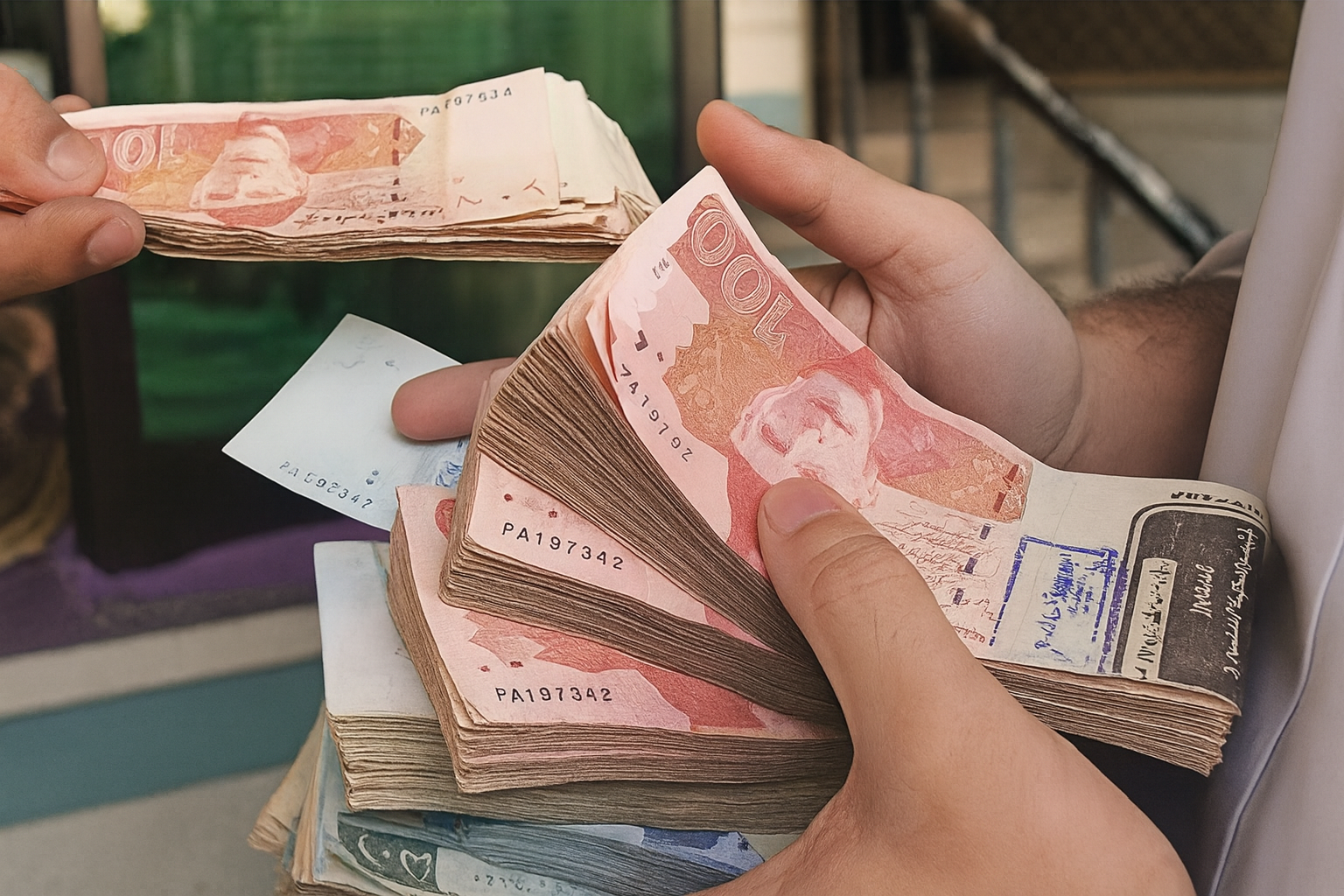
Pakistan has achieved a major breakthrough in its energy sector by securing an agreement with Qatar to divert 24 LNG cargoes in 2026, helping the government save over Rs1,000 billion. This move comes at a critical time, as Pakistan works to reduce its circular debt, bring stability to the gas sector, and attract international investment.
The LNG diversion agreement is part of a broader reform plan aimed at improving the country’s energy management, cutting unnecessary subsidies, and reducing pressure on foreign reserves. With low domestic gas demand expected next year, the government decided to divert extra LNG cargoes to other countries—avoiding heavy financial losses.
This article provides a comprehensive, easy-to-understand overview of the deal, its economic benefits, impact on gas consumers, reforms in the petroleum sector, international partnerships, and future opportunities for Pakistan’s energy landscape.
Background: Why Pakistan Chose LNG Diversion in 2026
Pakistan imports LNG mainly from Qatar under long-term contracts. According to earlier estimates by SNGPL and PSO, Pakistan expected a surplus of 177 LNG cargoes between July 2025 and December 2031—equal to 24 surplus cargoes per year.
However, domestic gas consumption is falling due to:
- Decline in industrial demand
- Shift toward alternative energy sources
- Government policies to curb unnecessary imports
- Better management of indigenous gas reserves
To avoid purchasing LNG that Pakistan does not currently need, the government negotiated with Qatar to divert the extra cargoes to other global markets.
Read Also:Gold Rates in Pakistan Today – 26 November 2025 (Per Tola & Per Gram Latest Update)
Key Highlights of the Qatar–Pakistan LNG Diversion Deal
✔ 24 LNG cargoes diverted in 2026
✔ Savings of over Rs1,000 billion
✔ No subsidy required for lifeline gas consumers
✔ Circular debt in the gas sector controlled
✔ Net proceeds differential formula agreed
✔ Pakistan bears loss only if LNG is sold below contract price
✔ ECC approval already granted to PSO
This agreement is expected to significantly strengthen Pakistan’s economic and energy stability.
How the LNG Diversion Will Save Rs1,000 Billion
The government currently subsidises lifeline consumers (low-income households). These subsidies become very expensive when the government buys imported LNG at high prices.
By diverting LNG imports, Pakistan will:
- Avoid paying billions in subsidies
- Reduce import bill
- Protect foreign exchange reserves
- Improve liquidity for state-owned gas companies
Officials have confirmed that no subsidy will be required for basic gas consumers in 2026—this alone accounts for the Rs1,000bn saving.
Read Also:Gold Rates in Pakistan Today – 26 November 2025 (Per Tola & Per Gram Latest Update)
Understanding the Net Proceeds Differential Formula
Under the agreed mechanism:
- Qatar will sell Pakistan’s LNG cargoes to other buyers.
- If the sale price is higher than Pakistan’s contract price, Pakistan benefits.
- If the sale price is lower, Pakistan must bear the difference.
- The differential amount will be adjusted by Ogra and recovered through LNG consumers.
This formula ensures transparency and protects both countries’ commercial interests.
Impact on Pakistan’s Energy Sector
This deal is part of a long-term plan to reform the gas sector, which currently suffers from:
- Circular debt of Rs2.6 trillion
- Delayed payments to exploration companies
- Heavy reliance on LNG imports
- Weak investment in local gas production
However, recent reforms have already shown success.
✔ OGDC received Rs82 billion after settlement of invoices
✔ Circular debt growth has stopped for the first time in years
✔ International investors are showing renewed confidence**
Boost to Local Exploration: OGDC, PPL, and Mari Energies
Pakistan’s state-owned companies are benefiting directly:
Oil and Gas Development Company (OGDC)
- Received delayed payments
- Getting returns on Term Finance Certificates
- Fast-tracking shale gas pilot projects
- Preparing for horizontal fracking in early 2026
Pakistan Petroleum Limited (PPL)
- Partnering in Indus Block-C exploration
Mari Energies
- Collaborating in offshore/onshore drilling operations
These developments will increase indigenous gas supply, reducing future dependency on imports.
Read Also:Pakistan Gold Rate 26 November 2025 – Updated 24K Tola, Gram & Ounce Prices
International Investors Show Strong Interest
Reforms and stability have attracted global investment:
Turkiye
- Turkish Petroleum signed agreements for seismic and drilling operations
- Joint ventures with OGDC, PPL, and Mari Energies
- Will spearhead exploration in Indus Block-C
Azerbaijan
- SOCAR technical team visiting Pakistan
- Evaluating upstream petroleum sector opportunities
- Exploring offshore and onshore licences
These partnerships mark a significant shift toward international collaboration in Pakistan’s energy market.
Reko Diq Project – A Parallel Boost to National Revenues
Alongside LNG reforms, Pakistan is advancing the historic Reko Diq copper and gold mining project, which is expected to:
- Bring $1.5–$2 billion in annual revenue once fully operational
- Attract the highest-ever financing for any mining project
- Strengthen Pakistan’s exports
- Enhance foreign investor confidence
Reko Diq’s development strengthens Pakistan’s overall energy and minerals portfolio.
Shale Gas, Tight Gas & Future Energy Technologies
Pakistan is preparing to unlock unconventional gas reserves:
Shale Gas Pilot Project
- OGDC leading the project
- Schlumberger and Baker Hughes providing technical guidance
- Horizontal fracking to start in 2026
- Aimed at testing commercial viability
Tight Gas Monetisation Programme
- Designed to produce gas from difficult geological formations
- Could reduce LNG import needs by billions annually
These future technologies will help Pakistan transition to energy independence.
Why This LNG Deal Is Crucial for Pakistan’s Economy
The LNG diversion agreement comes at a time when Pakistan is:
- Managing IMF benchmarks
- Reducing import-driven inflation
- Protecting foreign reserves
- Restoring international trust
- Expanding exploration projects
The deal creates breathing space for Pakistan’s gas companies, enabling them to strengthen operations without financial stress.
Benefits for Pakistani Consumers
Cheaper gas supply due to lower subsidy burden
No gas tariff shock for low-income households
✔ More investment in local gas exploration
✔ Improved reliability of gas service
Over time, domestic production will increase, reducing future tariff hikes.
Conclusion
The LNG diversion agreement between Pakistan and Qatar marks a turning point in Pakistan’s energy and economic management. With Rs1,000bn in projected savings, controlled circular debt, and increased international investment, Pakistan is moving toward a stable and self-sufficient energy future.
Reforms in LNG procurement, upstream exploration, tight gas and shale projects, and mineral development like Reko Diq are setting the stage for long-term national progress. If policy consistency continues, Pakistan can significantly reduce dependence on expensive imports and strengthen its local energy system.
Pakistan–Qatar LNG Deal 2026 – FAQs
1. Why is Pakistan diverting LNG cargoes in 2026?
Because domestic gas demand is low and the government wants to avoid unnecessary LNG import costs.
2. How much will Pakistan save through LNG diversion?
The government expects savings of over Rs1,000 billion in 2026.
3. What happens if Qatar sells LNG at a lower price?
Pakistan will bear the difference under the net proceeds formula.
4. Will LNG consumers face tariff increases?
Only the differential amount may be passed on, depending on market prices.
5. How will this deal benefit Pakistan’s energy sector?
It reduces circular debt, avoids subsidies, and encourages investment in local gas exploration.