Oil Industry Rejects Digital Integration Without Compensation – Complete Analysis 2025
Pakistan’s oil sector is once again in the spotlight as the Oil Companies Advisory Council (OCAC) and the Oil Marketing Association of Pakistan (OMAP) have rejected the government’s strict deadline for digital integration of the petroleum supply chain. The dispute arose after the Oil & Gas Regulatory Authority (Ogra) issued instructions to digitally integrate over 32,000 oil tanks, depots, and petrol pumps within a short 6–12 month period—without offering any compensation or cost recovery mechanism.
This article explains the controversy, industry concerns, financial challenges, required investments, government’s position, and what this dispute means for fuel supply, petrol prices, and regulatory reform in 2026.
What Is Digital Integration of Oil Supply Chain?
Ogra wants the entire fuel supply network to shift to a digital, real-time monitoring system called Auto Tank Gauging (ATG).
ATG Digital Integration System Includes:
- Live tracking of every litre of petrol or diesel
- Automated measurement of oil levels in tanks
- Central dashboard visibility for Ogra
- Remote monitoring of 16,000+ pumps
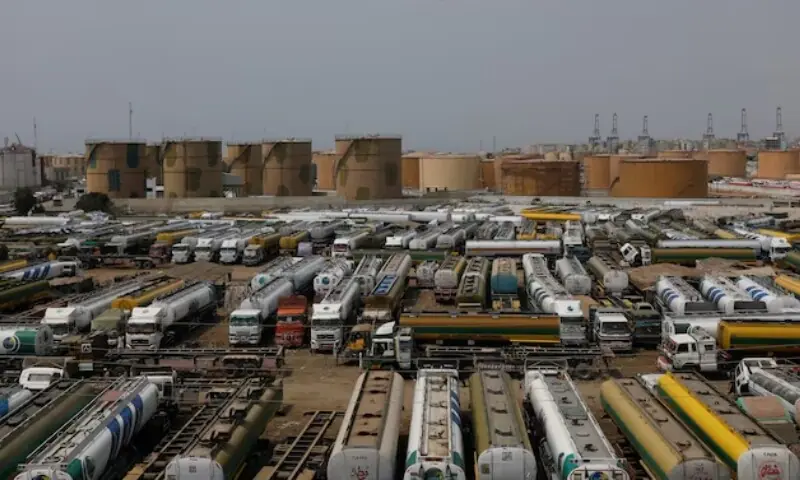
- Tracking of oil tankers and depots
Ogra’s Deadlines
- 600 installations by Jan 31, 2026
- All remaining installations by Jan 31, 2027
- 16,000 petrol pumps fully integrated by June 2026
The industry says these deadlines are unrealistic and impossible due to the massive cost involved.
Read More: Pakistan’s Internet Quality Declines: IT Sector Urges Immediate Upgrades for Digital Growth
Why the Oil Industry Rejected Ogra’s Deadline
The oil companies say the plan is good—but the government’s approach is dictatorial, rushed, and financially unrealistic.
Main Reasons for Rejection
- No mechanism for Rs55–60 billion cost recovery
- ATG hardware not available off-the-shelf
- Each unit needs custom manufacturing
- OMC profit margins stagnant for two years
- Industry already spent millions on Track & Trace System with no results
- Meeting with Ogra was a monologue, not a consultation
Rs55–60 Billion Cost: Why the Industry Cannot Pay
The industry claims it cannot afford the financial burden because:
1. Capital-Intensive Technology
Each ATG installation requires:
- Sensors
- Calibration tools
- Communication devices
- Dashboard connectivity
- Custom-built systems for each tank
2. Import and Manufacturing Delays
ATG systems require:
- Foreign components
- Special production facilities
- Long supply chain timelines
3. Stagnant Profit Margins
OMCs say:
“Margins have remained unchanged for two years. We cannot absorb new costs.”
4. Track & Trace System Failure
Companies paid millions for PITB’s system, but:
- It is still incomplete
- No outcome
- No timeline
- No functional dashboard
They fear ATG might become another failed, expensive project.
Read Also: Big Relief for Pakistanis: UAE Plans New Visa Reforms After Talks With Minister Aurangzeb
Industry Reaction: “Do They Want Us to Go Bankrupt?”
Industry executives were shocked by Ogra’s threatening tone. According to reports:
- Ogra did not allow companies to speak
- The chairman warned of punitive action
- Companies felt humiliated
- Industry leaders held an emergency internal meeting
- They rejected the unilateral policy
One executive said:
“The industry will not foot this huge bill on its own. Do they want us to shut down?”
Read Also: Punjab Govt Launches ‘Apni Zameen Apna Ghar’ Housing Project for Low-Income Families
OCAC’s Formal Protest Letter to Ogra
OCAC’s chairman, Adil Khattak, wrote a strongly worded letter highlighting:
Key Points Raised by OCAC
- Meeting was a monologue, not a consultation
- Repeated requests to speak were ignored
- Industry wants a 5-year phased implementation plan
- ATG units require long manufacturing time
- Cost recovery must be finalised before implementation
- OMC margins too low to invest billions
- Track & Trace Phase II has zero progress despite huge payments
OCAC’s Recommended Timeline
- Minimum 5 years
- Gradual rollout
- Government-funded or cost-shared model
OMAP’s Position – Smaller Companies at Greater Risk
OMAP represents smaller OMCs, which are more vulnerable. They say:
- They cannot afford sudden multi-billion investment
- Digital transformation needs government support
- Rapid enforcement will hurt supply chain stability
Smaller companies fear:
- Bankruptcy
- Closure
- Loss of market share
- Fuel shortages in smaller cities
Government’s Position – A Push for Transparency
Petroleum Minister Ali Pervaiz Malik met industry representatives and assured them the regulator will:
- Review concerns
- Address technical challenges
- Improve timelines
- Reduce financial pressure
- Move towards collaborative implementation
The government’s goal is:
- Better monitoring
- Curb fuel smuggling
- Stop adulteration
- Ensure real-time petrol availability data
But industry says the process must be practical and financially supported.
Big Question – Who Will Pay for Digital Integration?
The core dispute revolves around funding. Three possibilities exist:
1. Petroleum Companies Pay (Industry Rejects This)
They say:
- Margins too low
- Costs too high
- No return on investment
2. Government Provides Subsidy
Possible through:
- Petroleum levy adjustments
- Federal budget
- PSO-led digital model
3. Shared Cost Model
OMCs + Government + Retailers
This is the most likely outcome.
Impact on Consumers – Will Petrol Prices Increase?
If OMCs are forced to pay the cost, then:
- Petrol prices may increase
- Dealers may charge higher commissions
- ATG installation costs may be passed to consumers
Industry warns:
“Without cost recovery, fuel prices will automatically rise.”
Impact on Petrol Pumps and Oil Tankers
Petrol Pumps
- Need installation of ATG units
- Require fibre/cellular connectivity
- Need calibration and digital dashboards
Oil Tankers
- Must be fitted with tracking devices
- Need sensors and anti-theft systems
Depots
- Must install high-tech measurement equipment
All these installations need time, money, and technical expertise.
Why Five Years Are Required – Industry’s Technical Argument
Industry says a realistic timeline must include:
Year 1: Feasibility & Design
- Tank measurements
- Custom hardware design
- Vendor selection
Year 2: Pilot Projects
- Test installations
- Integration with Ogra dashboard
Year 3–5: Full Deployment
- Import components
- Install ATG nationwide
- Training
- Troubleshooting
This cannot be done in 6 to 12 months, according to experts.
Will This Dispute Affect Fuel Supply in Pakistan?
Possibly yes.
Risk Factors
- OMCs may reduce operations
- Investment freeze in new pumps
- Delays in tanker movements
- Possible fuel shortages if tensions escalate
But currently, the supply chain continues normally.
FAQs – Oil Industry Digital Integration 2025–26
1. What is Ogra demanding from the oil industry?
Full digital integration of petrol pumps, depots, and tankers using ATG systems.
2. Why are companies rejecting the deadlines?
Because the cost is Rs55–60 billion and the timeline is unrealistic.
3. Who will pay for ATG installation?
The government has not clarified this yet.
4. What is ATG?
Auto Tank Gauging – a digital system that measures fuel levels in real time.
5. Will petrol prices increase due to ATG?
Yes, if companies are forced to pay without compensation.