Supreme Court Rules Forced DNA Testing Unlawful in Pakistan
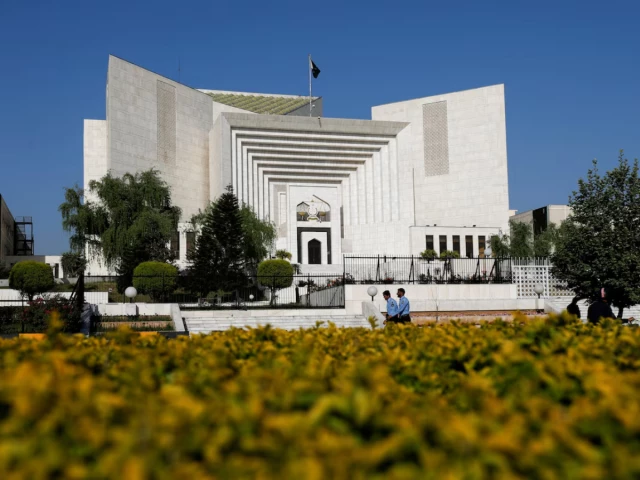
Right to Privacy and Liberty Fully Protected Under Constitution
Introduction
The Supreme Court of Pakistan has delivered a landmark constitutional judgment declaring forced DNA testing without consent unlawful. The ruling reinforces the fundamental right to privacy, liberty, dignity, and bodily autonomy guaranteed under Articles 9 and 14 of the Constitution of Pakistan.
This historic verdict sets an important precedent for future cases involving DNA tests, parentage disputes, inheritance matters, and misuse of judicial powers. The court made it clear that no individual can be compelled to undergo DNA testing without clear legal authority and personal consent, especially in private disputes.
Background of the Case
The case originated from Sahiwal, where an anti-corruption court ordered a man to undergo a DNA test to determine his parentage. The purpose was to verify allegations of forgery and corruption in educational documents, allegedly linked to an inheritance dispute.
The Lahore High Court (LHC) upheld this order. However, the petitioner challenged the decision before the Supreme Court, arguing that forced DNA testing violated his fundamental constitutional rights.
Supreme Court Bench and Judgment
A division bench led by Justice Muhammad Hasham Khan Kakar heard the case and issued a 6-page detailed judgment.
The Supreme Court set aside the Lahore High Court judgment and ruled that:
Collecting DNA without consent and without due process of law is a clear violation of the right to privacy, liberty, and human dignity.
What the Supreme Court Ruled
Forced DNA Testing Is Unconstitutional
The Supreme Court held that:
- DNA testing involves extraction of extremely sensitive personal and genetic information
- Compulsory DNA testing without consent violates:
- Right to Privacy
- Right to Personal Liberty
- Right to Bodily Integrity
- Human Dignity
The court emphasized that genetic data is not ordinary evidence, but a deeply personal biological blueprint.
Articles 9 and 14 Explained in Simple Words
Article 9 – Right to Life and Liberty
Article 9 does not only protect people from illegal detention. It also protects individuals from:
- Arbitrary interference
- Forced medical procedures
- Unnecessary restrictions on personal autonomy
The court clarified that forcing DNA tests without law or consent is an arbitrary restraint on liberty.
Read More: Pakistan’s Internet Quality Declines: IT Sector Urges Immediate Upgrades for Digital Growth
Article 14 – Right to Dignity and Privacy
Article 14 guarantees:
- Inviolability of dignity of man
- Right to privacy of home and personal life
The Supreme Court recognized privacy as an independent fundamental right, covering:
- Personal data
- Family life
- Medical information
- Genetic information
DNA Testing Allowed Only in Specific Criminal Cases
The judgment carefully explained that DNA tests are permitted only under specific legal provisions, including:
- Sections 53A, 164A, and 164B of the Code of Criminal Procedure (CrPC), 1898
These provisions apply only to serious criminal offences, such as:
- Rape (Section 376 PPC)
- Unnatural offences (Section 377 PPC)
- Sexual abuse or attempt thereof
Important Clarification
The court ruled that:
These provisions do NOT apply to private complaints, inheritance disputes, or parentage issues.
Serious Errors by Lower Courts
The Supreme Court found that:
- The anti-corruption court assumed parentage was disputed without evidence
- No legal process under Section 202 CrPC was followed
- No law was cited allowing compulsory DNA testing in this context
The court termed this as judicial overreach.
Why Parentage Disputes Are Extremely Sensitive
The judgment strongly warned courts to exercise extreme caution in cases involving paternity or lineage.
Harmful Consequences of Forced DNA Testing
The court noted that forced DNA testing can cause:
- Public humiliation
- Psychological trauma
- Damage to social reputation
- Stigma for the individual and family
Protection of Women’s Dignity
One of the strongest aspects of the judgment is its protection of women’s dignity.
The court stated:
- Questioning a man’s parentage automatically raises allegations against the mother
- Such allegations harm:
- Moral character
- Social standing
- Family honor
The Supreme Court declared such judicial acts impermissible and unconstitutional.
DNA Testing and Bodily Autonomy
The court emphasized that:
- Every person has control over their own body
- No one can be forced into:
- Medical tests
- Biological sample collection
- Invasive procedures
This principle is known as bodily autonomy, and it is fully protected by the Constitution.
Risk of Misuse of Genetic Data
The judgment highlighted serious dangers associated with forced DNA testing:
- Unauthorized sharing of genetic data
- Misuse by state or private entities
- Long-term professional and personal harm
- Breach of data privacy
The court warned that genetic information once leaked cannot be reversed.
Supreme Court’s Final Order
The Supreme Court ordered that:
- The DNA test order is quashed
- The anti-corruption court must proceed strictly according to law
- No DNA test shall be conducted without legal authority and consent
Why This Judgment Is Important for Pakistan
This ruling is a milestone for constitutional rights in Pakistan.
Key Impacts
- Strengthens right to privacy jurisprudence
- Limits judicial misuse of DNA testing
- Protects citizens from invasive procedures
- Sets precedent for future inheritance and family disputes
- Aligns Pakistan with international human rights standards
What This Means for Citizens
If you are facing:
- Inheritance disputes
- Parentage allegations
- Private complaints
- Educational or family litigation
👉 No court can force you to undergo DNA testing unless clearly allowed by law and with your consent.
Read More: Pakistan’s Internet Quality Declines: IT Sector Urges Immediate Upgrades for Digital Growth
Conclusion
The Supreme Court’s ruling against forced DNA testing is a powerful affirmation of human dignity, privacy, and liberty in Pakistan. It sends a clear message that courts must operate within constitutional boundaries, especially when dealing with deeply personal matters like parentage and genetic identity.
This judgment not only protects individuals today but also safeguards future generations from invasive and unlawful practices.
Frequently Asked Questions (FAQs)
1. Can a court force DNA testing in Pakistan?
No. According to the Supreme Court, DNA testing cannot be forced without consent, except in specific criminal cases clearly defined by law.
2. Is DNA testing allowed in rape cases?
Yes. DNA testing is allowed under CrPC Sections 53A, 164A, and 164B for serious offences like rape and sexual abuse.
3. Can DNA testing be ordered in inheritance disputes?
No. The Supreme Court has ruled that DNA testing for parentage or inheritance disputes without consent is unconstitutional.
4. Which constitutional articles protect privacy?
Article 9 (Right to Life and Liberty) and Article 14 (Right to Dignity and Privacy) protect individuals from forced DNA testing.
5. Does this judgment protect women’s dignity?
Yes. The Supreme Court clearly stated that challenging parentage harms a woman’s honor and dignity, which is strictly protected under the Constitution.