ADB Approves $48 Million for Pakistan to Ease Water Crisis – Full Details
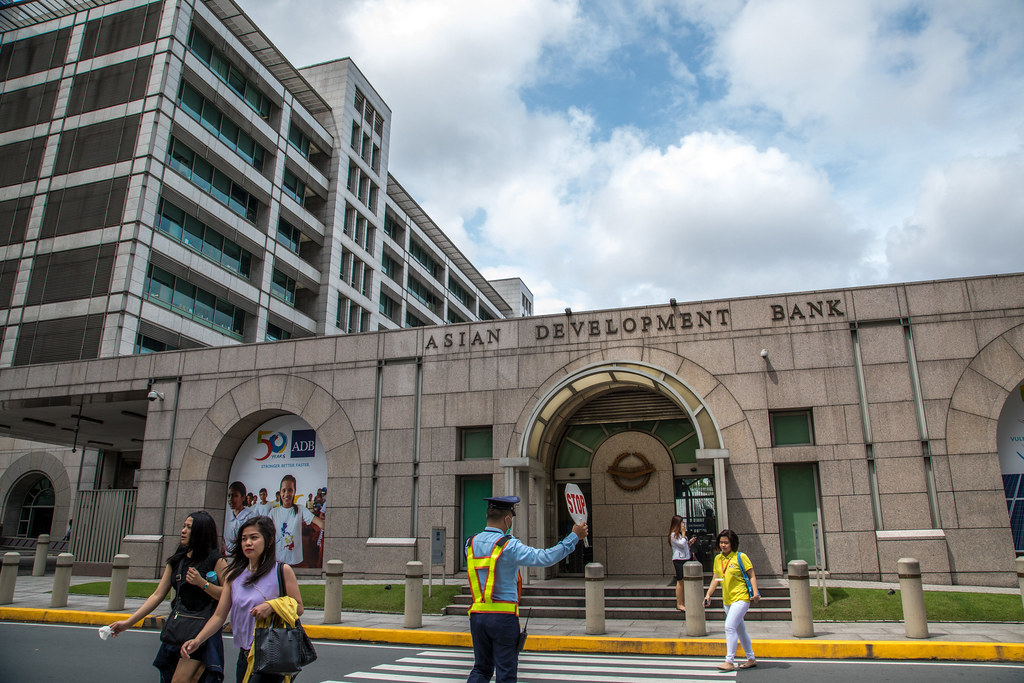
Pakistan has received an important boost in its fight against the worsening water crisis as the Asian Development Bank (ADB) has approved an additional $48 million for improving water infrastructure in Balochistan. This new financing is part of the ongoing Balochistan Water Resources Development Sector Project, designed to improve irrigation, storage capacity, watershed management, and agricultural productivity in the province.
Balochistan is Pakistan’s most water-stressed region, where drought, climate change, poor irrigation systems, and lack of modern technology have severely affected agriculture, food security, and livelihoods. ADB’s latest support aims to speed up delayed components, upgrade key infrastructure, and ensure sustainable water use for thousands of households.
This article explains the full project details, benefits, dams included, affected areas, and how the $48 million funding will help Pakistan overcome its water challenges.
What Is the ADB Water Resources Project in Pakistan?
The ADB Water Resources Development Project focuses on improving irrigation and water storage in Balochistan, particularly in the Zhob River Basin and Mula River Basin. It aims to solve long-standing problems such as:
- Water scarcity
- Flood damage
- Soil erosion
- Poor irrigation efficiency
- Unreliable drinking water supply
- Loss of agricultural productivity
ADB has been supporting Pakistan’s water sector for years, but the new additional financing will accelerate slow components, modernize infrastructure, and introduce new technologies to reduce water wastage.
ADB Approves Additional $48 Million – What This Funding Will Cover
ADB confirmed that the $48 million funding will be used to:
Speed Up Development of the Churi Infiltration Gallery
This system helps store and recharge groundwater. It is extremely important for regions where groundwater levels are falling rapidly.
Read Also:Gold Rates in Pakistan Today – 26 November 2025 (Per Tola & Per Gram Latest Update)
Complete the Siri Toi Dam Command Area
A command area is the land that receives water from a dam. The new financing will help:
- Build irrigation channels
- Install pipelines
- Improve water distribution
- Support farmers in drought-prone areas
Strengthen Watershed Management
Watershed work includes activities to protect land from erosion, reduce floods, and increase water storage.
Build Modern Piped Water Distribution System
ADB will replace open, water-wasting channels with piped systems, which can save up to 40% water.
Reduce Soil Erosion and Flood Damage
The project will introduce:
- Small check dams
- Soil conservation structures
- Afforestation programs
This will protect agricultural lands from floods.
Why Balochistan Needs This Project – Water Crisis Explained
Balochistan is Pakistan’s largest province by area but faces the worst water shortage due to:
• Recurring droughts
• Poor water storage capacity
• Climate change
• Unregulated groundwater use
• Inefficient irrigation methods
• Lack of pipelines and modern infrastructure
Agriculture contributes two-thirds of Balochistan’s economy and supports the majority of its population. Yet:
- Poverty levels in Balochistan are nearly double the national average.
- Water scarcity has reduced crop production.
- Rainfed farming depends entirely on seasonal rains.
ADB’s project aims to solve these problems by improving water storage, irrigation efficiency, and climate resilience.
Siri Toi Dam – Capacity, Benefits, and Impact
One of the most important components of the project is the Siri Toi Dam. The new funding will help speed up its completion.
✔ Storage Capacity: 36 Million Cubic Meters
This will significantly improve water availability for agriculture and households.
✔ Irrigation Area: 16,592 Hectares
The dam will supply water across a vast region suffering from severe drought.
✔ Benefits for Communities
- Reliable drinking water supply
- Increased crop production
- More jobs for local communities
- Improved food security
- Support for rainfed agriculture
Replacing open channels with piped systems will reduce water loss and increase efficiency.
Read Also:Pakistan Gold Rate 26 November 2025 – Updated 24K Tola, Gram & Ounce Prices
Zhob and Mula River Basins – Target Areas of the Project
The ADB project mainly focuses on:
1. Zhob River Basin
- High water scarcity
- Frequent droughts
- Large population dependent on agriculture
2. Mula River Basin
- Important for irrigation
- Flood-prone areas
- Potential for improved water storage
These basins are highly vulnerable to climate change, and improving their water systems will directly benefit thousands of farmers.
How the Project Helps Women in Agriculture
ADB Country Director Emma Fan said the financing will create better economic opportunities for women involved in agriculture. Women often participate in:
- Harvesting
- Vegetable farming
- Livestock management
- Water collection
By improving water availability, women will:
- Spend less time collecting water
- Increase agricultural productivity
- Earn more income
- Benefit from skill-development programs
Environmental Protection and Climate Resilience Measures
To ensure long-term sustainability, the project includes:
✔ Afforestation (Tree Plantation)
Planting trees to improve soil structure and increase groundwater recharge.
✔ Soil Conservation
Using modern techniques to protect land from erosion.
✔ Check Dams
Small dams that slow water flow and reduce flood damage.
✔ Flood Management
Structures designed to protect farms and settlements from sudden floodwater.
These measures will improve environmental stability while supporting agriculture and livelihoods.
Why ADB Is Investing in Pakistan’s Water Sector
ADB has supported Pakistan for decades in infrastructure, energy, agriculture, and water development. Pakistan’s water crisis has reached a point where:
- Per capita water availability is decreasing
- Groundwater reserves are shrinking
- Agriculture is under threat
- Climate risks are increasing
The new funding shows ADB’s commitment to long-term climate resilience and water security in Pakistan.
Expected Benefits of the $48 Million ADB Funding
1. Improved Water Availability
Better storage and distribution will ensure reliable water supply.
2. Increase in Agricultural Productivity
Farmers will be able to grow more crops with stable irrigation.
3. Reduced Flood Losses
Check dams and watershed management will control flash floods.
4. Protection of Natural Resources
Afforestation and soil protection will improve environmental health.
5. Better Livelihoods for Local Communities
More water means more jobs, better farming, and reduced poverty.
6. Stronger Climate Resilience
Balochistan will be better prepared for droughts and climate shocks.
International Support – Japan Fund & Technology Fund
The project also receives support from:
✔ Japan Fund for Prosperous and Resilient Asia and the Pacific
Helps improve climate-resilient infrastructure.
✔ High-Level Technology Fund
Supports the use of modern technology in irrigation and water management.
This combined support makes the project more effective and sustainable.
Conclusion
The Asian Development Bank’s $48 million additional financing is a major step toward easing Pakistan’s water crisis, especially in Balochistan. By improving dams, irrigation systems, watershed management, and piped distribution networks, the project will directly benefit thousands of farmers and households.
With climate change and drought threatening the region, ADB’s support offers hope for a more secure water future, better agriculture, and stronger economic opportunities for communities—especially women
FAQs ADB’s $48 million funding for Pakistan
1. What is the purpose of ADB’s $48 million funding for Pakistan?
To speed up and complete water resource development projects in Balochistan, including dams, irrigation systems, and watershed improvements.
2. Which areas will benefit from this project?
The Zhob River Basin, Mula River Basin, and Siri Toi Dam command area.
3. How much water will the Siri Toi Dam store?
It will store 36 million cubic meters of water.
4. How will the project help farmers?
It will improve irrigation, increase crop production, reduce water losses, and protect land from floods.
5. What environmental measures are included?
Afforestation, soil conservation, check dams, and flood management systems.