CCD Encounter Killings Cross 100 in Punjab – Full Story, Background, Concerns & Government Response (2025)
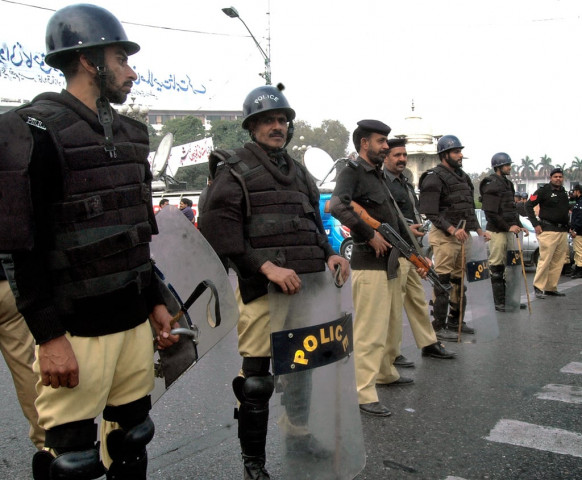
The Crime Control Department (CCD) of Punjab Police has crossed 100 encounter killings during its ongoing anti-drug crackdown across the province. This rapid rise in police encounters, especially involving suspects already in custody, has triggered serious questions about transparency, legality, and accountability. Human rights organisations, legal experts, and civil society groups are demanding independent investigations as the death toll continues to rise.
This detailed article explains the complete situation, timeline, concerns, reactions, and what comes next for policing and justice in Punjab.
What Is Happening? CCD’s Anti-Drug Crackdown Explained
The CCD launched a massive province-wide crackdown in 2025 targeting:
- Drug peddlers
- ICE (crystal meth) traffickers
- Narcotics networks
- Corrupt law enforcement officials allegedly linked with drug mafias
As part of this operation, the CCD has conducted daily raids, late-night encounters, and “recovery operations”, many of which ended in the killing of suspects.
Reports indicate that:
- Over 100 suspects have been killed so far
- 18 suspects were killed in the last 48 hours alone
- 23 were killed earlier this week in multiple districts
The pace of these killings has raised strong concerns from the public.
Read More: Pakistan’s Internet Quality Declines: IT Sector Urges Immediate Upgrades for Digital Growth
Latest Lahore Incident – 5 Suspects Killed
The most recent incident occurred in Lahore, where five suspects—Rafaqat, Shahid Akram, Zahid, Nadir Afzal, and Kamran Iqbal—were killed during what CCD described as a “crossfire ambush”.
The CCD statement said:
- The suspects were being taken for a recovery operation
- “Unidentified assailants” ambushed the escort team
- The suspects were killed in the crossfire
- No CCD personnel were injured
However, critics highlight a troubling pattern: many suspects die during recovery operations, usually at night, under similar circumstances.
Districts With High Encounter Killings
The crackdown has spread across Punjab, with several districts reporting high numbers of fatalities.
Major Districts Involved
- Lahore – 22+ killings
- Sheikhupura – multiple ICE-related encounter deaths
- Kasur – expanding operations
- Gujranwala – major hotspot for narcotics crackdown
- Faisalabad – several late-night encounter incidents
- Okara & Sialkot – frequent raids
- Rahim Yar Khan – rural operations
- Bahawalpur & Sargodha – continued activity
Despite this escalation, Punjab Police has not issued any official district-wise report, raising transparency concerns.
Read Also: Big Relief for Pakistanis: UAE Plans New Visa Reforms After Talks With Minister Aurangzeb
Human Rights Groups Raise Alarms
Rights organisations like HRCP and legal watchdogs are calling for:
- Independent inquiries
- Judicial review of every encounter
- Transparency on custody deaths
- Publication of post-mortem reports
- Accountability of officers involved
Their main concerns include:
1. Increasing Number of “Custody Deaths”
Many of the suspects killed were already under CCD custody, leading to suspicions of extrajudicial executions.
2. Lack of Arrests of “Unknown Assailants”
The alleged attackers who “ambush” the police are almost never identified, caught, or traced.
3. Absence of CCTV or body-cam footage
In a time when modern policing requires digital evidence, most encounters have no independent verification.
4. Pattern of Similar Encounter Narratives
Most police reports follow the same structure:
- Suspects taken for recovery
- Ambush by unknown attackers
- Suspects killed, police unharmed
Rights groups argue this pattern requires scrutiny.
Growing Concerns Over Rule of Law
Legal experts warn that excessive police encounters damage:
- Public trust
- Judicial process
- Evidence-based policing
- Human rights obligations
- International reputation
They stress that while drug networks must be dismantled, law enforcement must remain lawful.
CCD Also Acting Against Corrupt Policemen
Interestingly, the crackdown is not limited to civilians. So far:
- 17 policemen have been arrested
- They are accused of supporting drug peddlers
- Their links with ICE distribution networks are being investigated
- Departmental inquiries are ongoing
This indicates the CCD operation is targeting the system from within as well.
Government’s Position – “Targeting Synthetic Drug Gangs”
Punjab government and CCD officials defend the encounters, stating:
- Synthetic drugs like ICE are destroying youth
- Criminal networks are heavily armed
- Police are facing resistance
- Many suspects attempt escape or attack police
- The crackdown will continue “until the drug mafia is dismantled”
However, critics argue that such actions must be controlled and monitored through transparent mechanisms.
Why This Issue Matters for the Public
People searching on Google for “Punjab police encounters”, “CCD raid updates”, “drug crackdown Punjab”, “ICE peddlers arrested”, “extrajudicial killings Pakistan” are looking for clarity because:
- Encounter killings impact criminal justice
- They raise questions about fair trials
- Families want information about missing suspects
- Public wants to know who is being killed and why
- It affects youth safety, drug control, and police reforms
This is now a major public debate in Punjab.
Timeline of CCD Encounter Killings (2025)
Early 2025
- CCD launches strict operations
- Major arrests in Lahore and Gujranwala
Mid-2025
- First clusters of encounter killings appear
- Rights groups begin issuing warnings
December 2025
- The count crosses 100 deaths
- 18 suspects killed in 48 hours
- 23 killed in a single week across districts
- Calls for accountability intensify
Key Questions Being Raised
1. Why are suspects dying during “recovery operations”?
Legal experts argue that repeated similar patterns must be investigated.
2. Why are there no police casualties if ambushes are frequent?
Every encounter results in suspect fatalities, but rarely any police injuries.
3. Why is there no official CCD report?
Public transparency is essential for accountability.
4. Are proper SOPs and protocols being followed?
Encounters must meet legal standards, not be used as shortcuts.
Possible Government Actions Ahead
Experts expect the Punjab government may:
- Form an independent commission
- Compile a district-wise report
- Release post-mortem details
- Implement body cams
- Strengthen oversight mechanisms
- Conduct internal audits of CCD operations
Whether these actions take place remains to be seen.
What This Means for Policing in Punjab
The CCD’s operations highlight a major shift:
- From traditional policing → to aggressive anti-drug enforcement
- From arrest-based → to encounter-heavy methods
While public support for action against drug dealers exists, the method matters. Long-term policing depends on:
- Rule of law
- Transparency
- Public trust
- Judicial oversight
Without these, long-term reform cannot succeed.
Conclusion
The crossing of 100 encounter killings by the CCD marks a turning point for Punjab’s law enforcement system. As the crackdown intensifies, so do the concerns surrounding legality, accountability, and transparency. The government claims the actions are necessary to eliminate drug networks, but human rights groups insist that no anti-crime campaign should bypass the constitution or judicial process.
As demands grow for deeper investigations and public disclosures, Punjab now faces a crucial question:
Can the fight against drugs be won without compromising justice?
FAQs – CCD Encounter Killings in Punjab
1. Why has the CCD launched such a large-scale crackdown?
To dismantle drug networks, especially ICE traffickers.
2. Why are there so many encounter killings?
Police claim suspects resist or ambush teams; critics question the consistency of these reports.
3. Are independent investigations being conducted?
Rights groups demand them, but no comprehensive inquiry has been announced.
4. Which districts are most affected?
Lahore, Gujranwala, Faisalabad, Sheikhupura, Kasur, Okara, Sialkot, Sargodha, RYK, Bahawalpur.
5. Has the government released official data?
Not yet. No district-wise breakdown has been published.