Ex-ISI Chief Faiz Hameed Sentenced to 14 Years – Complete Case, Charges, Trial & Political Reactions (2025 Update)
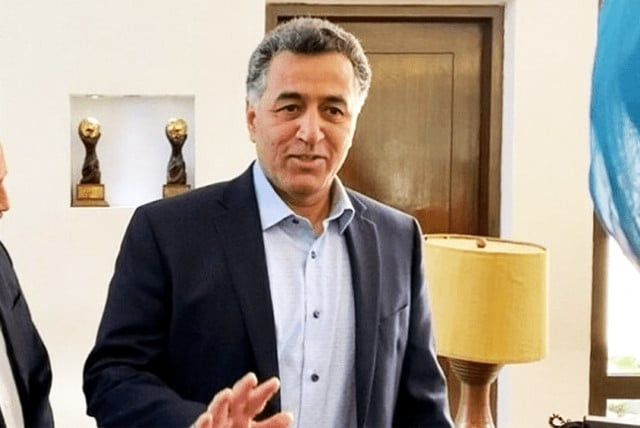
The conviction of Lt Gen (retd) Faiz Hameed, former Director General of Pakistan’s Inter-Services Intelligence (ISI), marks one of the most high-profile military court decisions in the country’s recent history. On December 11, 2025, the Field General Court Martial (FGCM) sentenced him to 14 years of rigorous imprisonment after finding him guilty on multiple charges, including political interference, misuse of authority, and violation of the Official Secrets Act.
This detailed 1500-word article explains the entire case in simple language, covering the trial process, charges, legal implications, military procedure, government response, political impact, and what happens next.
Who Is Lt Gen (Retd) Faiz Hameed? – Background & Key Roles
Lt Gen (retd) Faiz Hameed is one of Pakistan’s most widely known military figures. He served in top intelligence and operational roles, including:
- Director General ISI (2019–2021)
- Commander Peshawar Corps
- Commander Bahawalpur Corps
- Senior positions in counter-terrorism and intelligence strategy
- Over 30 years of service in the Pakistan Army’s Baloch Regiment
Due to his powerful positions, he was often mentioned in political discussions, media debates, and national security events. His role during sensitive political eras made him a controversial yet influential figure.
Read More: Pakistan’s Internet Quality Declines: IT Sector Urges Immediate Upgrades for Digital Growth

Why the Military Trial Started – Timeline of Court Martial
According to ISPR, the proceedings began on August 12, 2024, under the Pakistan Army Act. The trial spanned 15 months, involving:
- Evidence collection
- Witness testimonies
- Cross-examination
- Classified security briefings
- Defense team arguments
ISPR emphasized that:
“The accused was afforded all legal rights, including the right to a defence team of his choice.”
This indicates that the trial followed formal military justice procedures, similar to other high-profile cases tried under the Army Act.

Charges Against Faiz Hameed – What the Court Found
The FGCM tried him on four major charges. All were proven according to the prosecution.
1. Engaging in Political Activities
Military personnel—retired or serving—are prohibited from political involvement. The court found that he:
- Interacted with political groups
- Influenced political processes
- Contributed to political instability
ISPR hinted at collaboration with “political elements” to create agitation.
Read Also: Big Relief for Pakistanis: UAE Plans New Visa Reforms After Talks With Minister Aurangzeb
2. Violating the Official Secrets Act
The charge involved sharing or handling sensitive information “in a manner detrimental to the safety and interest of the state.”
This is one of the most serious offenses in Pakistan’s security structure.

3. Misuse of Authority and State Resources
The court concluded that he abused his official powers by:
- Using government facilities improperly
- Exceeding his lawful mandate
- Influencing institutions for personal or political reasons
4. Causing Wrongful Loss to Individuals
This includes actions where personal or administrative decisions caused harm or financial loss to certain people.
Top City Case – Additional Allegations
Information Minister Attaullah Tarar confirmed that Faiz Hameed was also investigated and penalized in the Top City housing society case, where he was accused of:
- Misusing his position
- Wrongfully extorting or demanding money
- Influencing private businesses through authority
This was not the only case; ISPR said other matters are still under review.
What Is a Field General Court Martial (FGCM)?
A FGCM is the highest military court under the Pakistan Army Act. It is formed for cases involving serious crimes by:
- Serving officers
- Retired officers
- Personnel subject to military law
Key features:
- Presided over by senior military officers
- Authorized to award major punishments
- Handles cases involving national security, discipline, and internal misconduct
The proceedings are not public due to classified material.
Why This Verdict Is Historically Significant
The sentencing of a former ISI chief is rare and unprecedented. Military insiders consider it:
- A sign of accountability within the institution
- A message that political involvement by military officials is unacceptable
- A demonstration of strict discipline rules
- A warning for officers misusing influence after retirement
Pakistan’s civil-military relations have long been debated, and this case adds a new chapter.
Government Reaction to the Court Martial Verdict
Defence Minister Khawaja Asif’s Statement
Khawaja Asif strongly responded, saying:
“The nation will reap the harvest of the seeds sown by Faiz Hameed and former Chief General Bajwa.”
His remarks suggest:
- The government holds both individuals responsible for political instability
- There is recognition of past interference
- A desire for accountability and transparency moving forward
He also added a religious reflection, highlighting the moral responsibility of those in authority.
Information Minister Attaullah Tarar’s Reaction
Tarar said:
- The conviction is backed by strong evidence
- Hameed was fully allowed to defend himself
- He “crossed the red line” by acting as a political adviser to PTI
- The army’s internal accountability system is strong
- More investigations are underway
He emphasized that legal action would be taken against anyone who crosses institutional boundaries, whether civilian or military.
Political Impact – What This Means for Pakistan
The sentencing has several implications:
1. Civil-Military Relations
The case reinforces that the military is re-establishing boundaries between:
- Political decision-making
- Security institutions
- Intelligence leadership
2. Pressure on Political Alliances
The alleged connection between Faiz Hameed and PTI may lead to:
- More legal scrutiny
- Additional inquiries
- Wider investigations into past political engineering
3. Impact on Future Military Officers
The conviction sets a precedent:
- Retired officers remain accountable
- Misuse of authority will not be tolerated
- Political involvement is strictly prohibited
Right to Appeal – What Happens Next?
Legally, Faiz Hameed can still:
- Appeal to the Army Chief
- Approach the Court of Appeals under the Army Act
- File a constitutional petition in a High Court
- Ultimately attempt a Supreme Court review
The appeal process may take months, depending on the complexity and classified nature of evidence.
Why ISPR’s Statement Mentioned “Separate Matters”
ISPR revealed that Faiz Hameed’s alleged involvement in:
- Political agitation
- Instability
- Collaboration with political groups
…is being addressed in separate legal or disciplinary processes.
This means more cases or inquiries may open.
Public Interest & Why This Story Dominated Headlines
People are searching for this topic on Google using terms like:
- Faiz Hameed sentence news
- Former ISI chief jailed
- Field General Court Martial verdict
- Pakistan Army Act trial 2025
- Faiz Hameed political activities case
The case has national importance because it involves:
- A top former spymaster
- Political controversy
- Military accountability
- Sensitive security issues
Conclusion
The 14-year sentence of Lt Gen (retd) Faiz Hameed is a landmark development in Pakistan’s civil-military landscape. The charges relating to political involvement, misuse of authority, and violation of the Official Secrets Act represent some of the most serious offenses under military law.
With government ministers supporting the verdict and ISPR confirming that more matters are under review, the case is far from over. The coming months will reveal whether appeals succeed, whether additional investigations proceed, and how this decision reshapes Pakistan’s political and military institutions.
FAQs: Ex-ISI Chief Faiz Hameed Sentenced to 14 Years (2025 Update)
1. Why was Faiz Hameed sentenced to 14 years?
He was found guilty of four charges, including political interference, misuse of authority, violating the Official Secrets Act, and causing wrongful loss.
2. Who conducted the trial?
The Field General Court Martial (FGCM) — the highest military tribunal under the Pakistan Army Act.
3. Does he still have the right to appeal?
Yes. He can appeal within the military system and later approach civilian courts.
4. What is the Top City case mentioned by Tarar?
It refers to allegations that he misused authority to influence a private housing society for financial gain.
5. Will more cases be opened against him?
ISPR indicated that other matters related to political activities are still being examined.