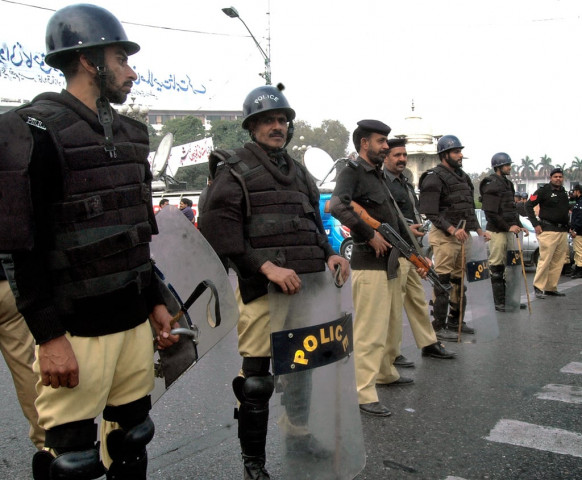
Karachi Traffic Police Using Trick to Evade E-Challans

A new controversy has emerged in Karachi as a traffic police officer was caught on camera allegedly using a clever trick to dodge the city’s AI-powered e-challan system. The video, which quickly went viral on social media, shows the officer riding a motorcycle with an erased number plate, making it impossible for automated cameras to identify the vehicle.
This incident comes at a time when the Karachi Traffic Police are cracking down on traffic rule violations using the city’s new artificial intelligence-based e-challan technology.
Read Also: Top Benefits of the AZAG Housing Program for Low-Income Families
AI E-Challan System Tightens Control in Karachi
The AI-powered e-challan system was introduced by the Karachi Traffic Police in collaboration with the Sindh Police and the city’s Safe City Project.
The system automatically detects and fines vehicles for violations such as:
- Red light jumping
- Over-speeding
- Helmet and seatbelt violations
- Wrong parking
- Fancy or missing number plates
Within the first six days of operation, the system has issued over 26,000 e-challans, including 3,283 in the last 24 hours alone, showing just how strictly the new surveillance technology is being implemented across Karachi.
The Viral Video Incident
The controversy began when a passerby recorded a Karachi traffic police officer near the Expo Center riding an official motorcycle without a readable registration plate.
In the video, the officer can be seen:
- Riding a police-issued motorcycle with a blurred or erased number plate.
- Turning left while keeping his right indicator on, a clear traffic violation.
- Carrying an official weapon while on duty, violating the standard safety code.
The clip quickly spread across social media platforms, sparking outrage among citizens who called out the double standards of traffic officers who fine others for the same mistakes they commit themselves.
Read Also: ACAG Login Portal 2025 – How to Access Your Account & Dashboard
Public Reaction: Citizens Call Out Hypocrisy
The incident has triggered a wave of criticism from Karachi’s residents. Many people expressed anger over how traffic police enforce laws on civilians but ignore rules when it comes to their own conduct.
Social media users flooded platforms like X (formerly Twitter) and Facebook, demanding action from the Traffic DIG and Karachi Police administration.
One user commented:
“If the e-challan cameras can catch us for minor mistakes, they should also catch police officials breaking the same laws.”
Another user added that police accountability must be ensured if the government wants citizens to take road laws seriously.
How the E-Challan System Works in Karachi
The e-challan (electronic challan) system is part of Karachi’s Safe City project, which uses AI cameras installed at major intersections to automatically record traffic violations.
Process Overview:
1️⃣ Cameras capture the vehicle’s number plate.
2️⃣ The system identifies the registered owner using the Excise and Taxation Department database.
3️⃣ A digital challan is generated and sent to the violator’s home address and mobile number.
4️⃣ The challan includes evidence — a photo or video clip of the violation.
This automated process removes human involvement, ensuring transparency and fairness — but cases like this one expose how loopholes can still be exploited by individuals.
Why Some Officers Are Erasing Number Plates
The viral incident has brought attention to a growing problem — officials allegedly manipulating or hiding number plates to avoid AI detection.
Traffic analysts believe that certain officers might:
- Use erased or covered number plates to prevent automatic scanning.
- Ride official bikes without registration data linked to their name.
- Exploit system limitations where police vehicles are exempt from e-challans.
Experts argue that this behavior undermines the credibility of the entire traffic enforcement system and weakens public trust.
Police Department’s Silence Sparks Questions
Despite the public outrage, the Karachi Traffic Police have not issued any official statement regarding the incident.
Neither the Traffic DIG nor the Police spokesperson has confirmed if the officer has been identified or suspended.
This silence has further angered citizens who feel that rules should apply equally to everyone — regardless of position or uniform.
Traffic Violations Recorded by AI Cameras
According to Karachi Police statistics, the majority of challans generated by the new system are for:
| Violation Type | No. of E-Challans (Last 6 Days) |
|---|---|
| Helmet Violations | 9,850 |
| Seatbelt Violations | 5,100 |
| Red Light Jumping | 4,900 |
| Over-Speeding | 3,800 |
| Fancy/Missing Plates | 2,350 |
| Other Violations | 26,000+ Total |
These figures show that while citizens are being held accountable through AI surveillance, some officers still find ways to bypass the rules.
Read Also: PSER in AZAG Scheme 2025 Importance & How to Apply
Karachi Traffic Police’s Daily Enforcement
The Karachi Traffic Police issue around 4,500 e-challans every day, using both AI cameras and manual enforcement.
The initiative aims to reduce accidents and improve road discipline in a city where traffic chaos is often a daily struggle.
However, videos of officers breaking rules are undermining public faith in the system, as many believe accountability should start from within the department.
Public Demands Equal Accountability
Civic rights groups and Karachi residents have demanded that:
- The officer in the viral video be identified and disciplined.
- Official police vehicles be included in the AI database for automatic challans.
- Internal monitoring systems be strengthened to ensure transparency.
Citizens argue that law enforcement credibility depends on whether the same standards are applied to everyone — not just the general public.
AI-Based Traffic Monitoring – A Game Changer
Karachi’s AI traffic monitoring initiative is a major milestone in urban management. It marks the city’s transition toward smart policing and digital traffic control.
Key Advantages of the System:
- Automated detection of violations without human bias.
- Faster challan generation using digital data.
- Integrated system with the Excise Department.
- Reduction in corruption and bribery.
While technology has improved accountability, manual enforcement still needs reform, especially when it comes to police vehicles and official misconduct.
Experts Suggest Stronger Policies
Road safety experts recommend:
- Immediate inclusion of police motorcycles and vehicles in the e-challan database.
- Use of body cameras on traffic officers.
- Publicly available monthly reports of traffic police performance.
- Establishment of internal disciplinary committees to address officer violations.
They emphasize that only equal enforcement of traffic laws will make citizens respect the system.
Karachi’s Traffic Reforms Under Safe City Project
The Safe City Project, initiated in collaboration with the Sindh Police and Karachi Metropolitan Corporation, aims to modernize urban security and transport systems.
Under this initiative, more than 1,000 AI cameras have been installed at major intersections including:
- Shahrah-e-Faisal
- University Road
- Clifton
- Korangi Road
- Saddar
- Gulshan-e-Iqbal
The system is expected to expand further by 2026, covering every district of Karachi.
Comparing Citizens and Police Behavior
Citizens are now questioning why they must pay fines while police officers can break traffic laws without consequences.
This perceived imbalance between enforcers and citizens is fueling frustration.
Several social media activists have called for transparency reports to be made public, listing how many police officials have been fined under the e-challan system since its launch.
No Challans for Official Vehicles Yet
According to insiders, no e-challans have been issued for official police vehicles, even if they commit visible violations.
The system’s data filtering reportedly exempts government-registered plates from automatic fines — a loophole that officers may be exploiting.
Legal experts have urged the Sindh government to amend this policy, ensuring all vehicles, including official ones, are equally accountable.
Social Media Reaction
The viral video has sparked hashtags like #OneLawForAll and #TrafficPoliceAccountability, with thousands of citizens demanding action.
Activists argue that uniforms don’t grant immunity, and law enforcement agencies must lead by example.
Some users have also shared their own experiences of unfair fines while police officers freely violate road rules without fear of penalty.
Conclusion About Karachi Traffic Police E-Challan 2025:
The viral video exposing a Karachi traffic officer allegedly tampering with his motorcycle’s number plate has reignited debate about accountability and transparency in law enforcement.
While the city’s new AI-powered e-challan system has improved fairness and efficiency, incidents like this undermine public trust.
Experts and citizens alike are calling for strict internal monitoring, inclusion of official vehicles in the e-challan system, and equal application of the law to both officers and civilians.
Only then can Karachi achieve real traffic discipline and digital justice under its smart policing vision.