Norway Defends Envoy’s Presence at Supreme Court Hearing in Pakistan – Explained in Detail
Introduction
Norway has strongly defended the presence of its ambassador at a Supreme Court of Pakistan hearing, stating that the action was fully legal and in line with international law. The issue has sparked debate in Pakistan’s political, legal, and diplomatic circles after the Ministry of Foreign Affairs (MoFA) issued a formal demarche to the Norwegian envoy.
The controversy revolves around the attendance of Norwegian Ambassador Per Albert Ilsaas at a Supreme Court hearing involving well-known Pakistani lawyers Imaan Zainab Mazari-Hazir and Hadi Ali Chattha. While Pakistan termed the move “unwarranted interference,” Norway insists it was a routine diplomatic practice.
This article explains the issue in simple English, covering legal, diplomatic, and international law perspectives, while also addressing why people are searching for this topic on Google.
Background of the Supreme Court Hearing
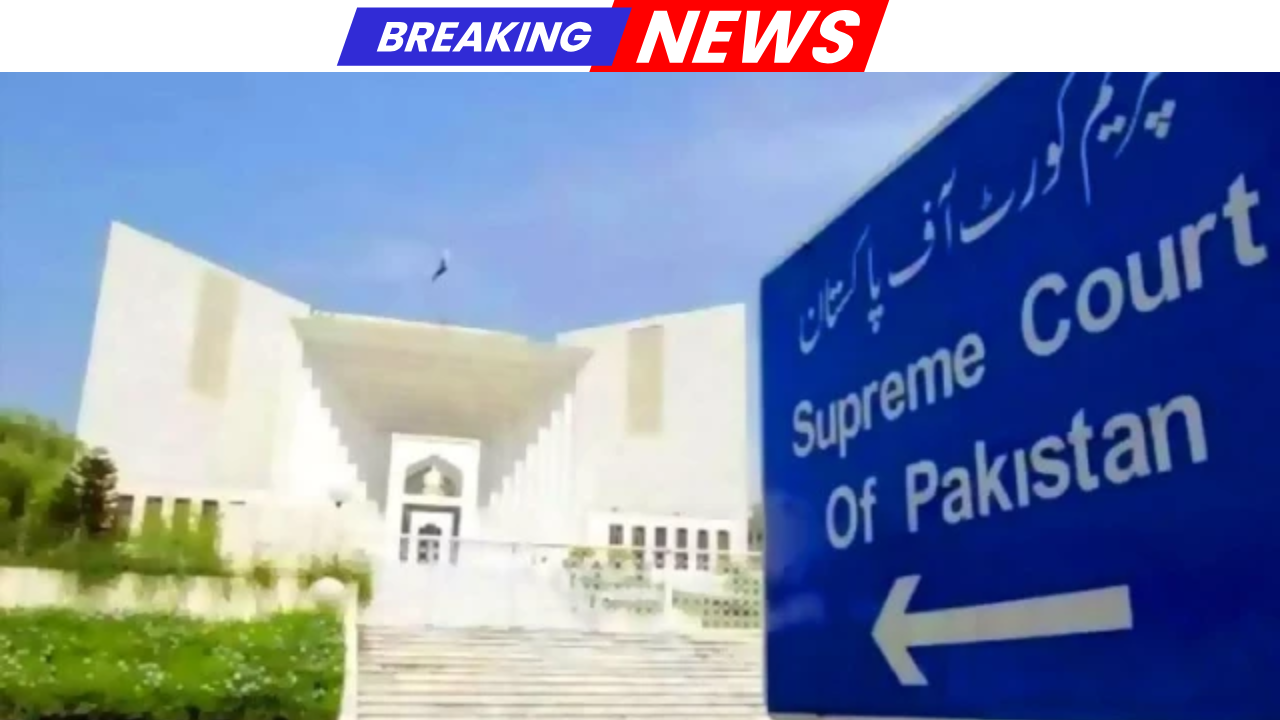
The Supreme Court of Pakistan was hearing a case related to Imaan Mazari and Hadi Ali Chattha, a prominent lawyer couple frequently in the public spotlight due to their activism and legal work.
On Thursday, the Norwegian ambassador attended the public hearing in Islamabad. His presence quickly became controversial, drawing attention on social media, within court circles, and among government officials.
Soon after, Pakistan’s Foreign Office summoned the Norwegian envoy and issued a demarche, expressing concern over what it described as interference in internal affairs.

Why Did the Norwegian Ambassador Attend the Hearing?
According to Norway, the ambassador attended the hearing as an observer, not as a participant.
Norway’s Official Explanation
Norwegian media outlet Dagbladet quoted Cecilie Roang, Senior Communications Adviser at Norway’s Ministry of Foreign Affairs, who clarified that:
- Observing public court hearings is a normal diplomatic practice
- Such attendance is allowed under international law
- Diplomats often attend proceedings involving public interest
- Reporting developments back to their home country is a core diplomatic responsibility
Norway emphasized that the ambassador did not interfere, speak, or influence proceedings in any way.

Pakistan’s Response: Why Was a Demarche Issued?
Pakistan’s Ministry of Foreign Affairs took a firm stance and summoned the Norwegian envoy.
Key Points from Pakistan’s Foreign Office
Pakistan stated that:
- The ambassador’s presence was unwarranted
- His attendance amounted to interference in internal affairs
- Diplomats must respect local sensitivities
- Foreign envoys should strictly follow Vienna Convention norms
The Foreign Office reminded Norway that diplomatic engagement must remain within clearly defined boundaries, especially in sensitive legal matters.

What Is a Demarche? (Easy Explanation)
A demarche is a formal diplomatic protest issued by one government to another.
It is usually done when:
- A country feels its sovereignty is being challenged
- Diplomatic norms are perceived to be violated
- Sensitive political or legal issues are involved
In this case, Pakistan used a demarche to officially record its objection to the ambassador’s actions.
Vienna Convention and International Law Explained
What Does International Law Say?
Norway has justified its position using the Vienna Convention on Diplomatic Relations (1961).
According to international law:
- Diplomats are allowed to observe public proceedings
- Attendance does not equal interference
- Diplomats must not influence or obstruct judicial processes
- Information gathering through lawful means is permitted
Norway argues that the ambassador acted fully within these legal limits.
Why Does Norway Say It Is “Normal Practice”?
Norway maintains that:
- Its diplomats attend court hearings in many countries
- Other nations do the same
- Public hearings are open to citizens and foreigners alike
- Diplomats regularly observe human rights and legal cases worldwide
Norway believes that this case has been unnecessarily politicized.
Why Is This Issue Important for Pakistan?
This incident matters because it touches on:
1. Sovereignty Concerns
Pakistan is sensitive to any action that may appear as foreign interference in domestic affairs.
2. Diplomatic Boundaries
It highlights how thin the line can be between observation and interference.
3. Judicial Independence
The presence of foreign diplomats in court can be perceived as pressure, even if unintentional.
4. Public Perception
Social media reactions amplified the issue, increasing political pressure on authorities.
Reaction on Social Media and Legal Circles
The issue gained traction on X (Twitter), Facebook, and legal forums.
- Some supported Pakistan’s stance, calling it a violation of sovereignty
- Others defended Norway, saying public hearings are open to everyone
- Legal experts were divided on interpretation of diplomatic norms
The debate reflects growing public awareness of diplomatic conduct.
Pakistan–Norway Relations: Any Long-Term Impact?
So far, both countries have kept the issue diplomatic and controlled.
- No sanctions or recalls announced
- Norway clarified its position calmly
- Pakistan asserted its sovereignty formally
Experts believe the matter is unlikely to damage long-term relations, but it may lead to stricter diplomatic protocols.
What Happens Next?
Possible outcomes include:
- Quiet diplomatic engagement between both sides
- Clarification of future court attendance rules
- No further escalation if norms are mutually respected
Such issues are often resolved behind closed doors.
Why People Are Searching This Topic on Google
Popular Google search keywords include:
- Norway envoy Supreme Court Pakistan
- Norwegian ambassador SC hearing Islamabad
- Vienna Convention diplomatic interference
- Pakistan Norway diplomatic dispute
- Imaan Mazari case foreign diplomats
- Supreme Court Pakistan foreign envoy issue
This shows strong public interest in law, sovereignty, and diplomacy.
Conclusion
The controversy over Norway’s envoy attending a Supreme Court hearing in Pakistan highlights the complex balance between diplomatic observation and national sovereignty.
While Norway insists its actions were legal and routine, Pakistan views the incident as crossing diplomatic boundaries. Both sides rely on international law but interpret it differently.
Ultimately, this case serves as a reminder that diplomacy requires sensitivity, especially when legal and political matters intersect in a highly visible public space.
FAQs (Frequently Asked Questions)
1. Why did Norway’s ambassador attend the Supreme Court hearing?
He attended as an observer, which Norway says is allowed under international law for public court proceedings.
2. Why did Pakistan object to the ambassador’s presence?
Pakistan viewed the move as unwarranted and a possible interference in internal legal matters.
3. Is attending a court hearing legal for foreign diplomats?
Yes, if the hearing is public and the diplomat does not interfere, according to the Vienna Convention.
4. What is a demarche?
A demarche is a formal diplomatic protest raised by one country to another.
5. Will this issue affect Pakistan–Norway relations?
Experts believe it will not seriously harm relations but may lead to clearer diplomatic boundaries.