Qatar Urges Dialogue with Non-State Actors for Peace
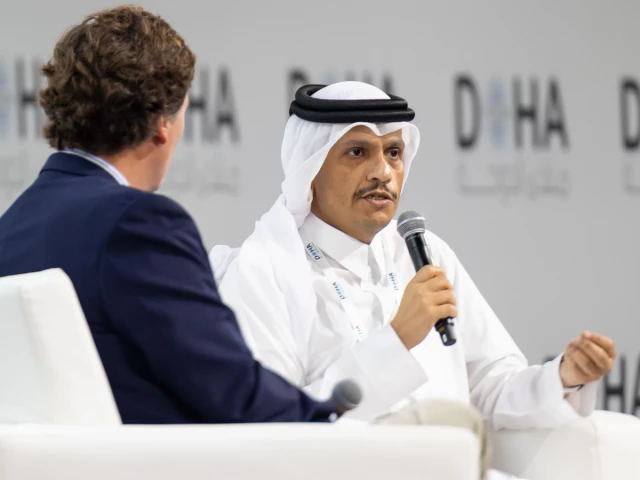
In a world where conflicts continue to escalate, Qatar has called for inclusive political engagement with all parties, including non-state actors, as a crucial path to lasting peace. This message was delivered by Qatari Prime Minister and Foreign Minister Sheikh Mohammed bin Abdulrahman bin Jassim Al Thani at the 23rd edition of the Doha Forum. He emphasized that ignoring key actors on the ground only prolongs crises rather than resolving them.
The statement comes at a time when the Middle East faces multiple ongoing conflicts, from Afghanistan to Gaza, and the international community is struggling to find sustainable solutions. Sheikh Mohammed’s comments underscore Qatar’s longstanding role as a mediator in some of the region’s most complex conflicts.
Importance of Inclusive Engagement in Conflict Resolution
Sheikh Mohammed highlighted that dialogue with all parties, including armed and non-state groups, is essential for achieving real and lasting peace. “You cannot resolve or reach a solution if you have no one speaking to non-state actors,” he said during the session moderated by US journalist Tucker Carlson.
Excluding key stakeholders, particularly those with real influence on the ground, makes it nearly impossible to implement ceasefires, deliver humanitarian aid, or achieve political stability. Qatar has repeatedly applied this principle in its mediation efforts, including the Afghan peace process and ceasefire negotiations in Gaza.
Read Also: Punjab Govt Launches ‘Apni Zameen Apna Ghar’ Housing Project for Low-Income Families
Qatar’s Mediation in Afghanistan and Gaza
Qatar’s unique position as a neutral mediator has allowed it to host critical peace talks over the years. One of the most notable examples is its role in Afghanistan. The Taliban’s political office in Doha was established in 2013, at the request of the United States, to facilitate dialogue during the conflict with the Afghan government. This office became a central platform for Afghan peace negotiations, eventually leading to the historic Doha Agreement and the US withdrawal from Afghanistan.
Similarly, Qatar has maintained a relationship with Hamas for over a decade, primarily as a communication channel and mediator for ceasefires in Gaza. Sheikh Mohammed emphasized that these offices are not political endorsements but practical solutions to ensure humanitarian aid reaches those in need and conflicts are managed diplomatically.
Transparency in Humanitarian Aid
During his speech, Sheikh Mohammed addressed allegations that Qatari funds intended for Gaza’s humanitarian relief were diverted to Hamas. He strongly refuted these claims, stating that “all our aid, financing, and support went to the people in Gaza, and it was a very transparent process that the United States is fully aware of.”
He further clarified that Israel facilitated the distribution of these funds to ensure that the aid reached the civilian population. Qatar’s mediation, according to Sheikh Mohammed, has consistently delivered tangible results, including multiple ceasefires, humanitarian pauses, hostage releases, and evacuation arrangements for civilians affected by conflicts.
The Role of Qatar in Regional Stability
Qatar has positioned itself as a reliable mediator in the Middle East, hosting more than 5,000 delegates from 162 countries at the Doha Forum. These participants include presidents, prime ministers, foreign ministers, and heads of international organizations. The forum provides a platform to discuss conflict resolution, humanitarian crises, global governance, and economic instability.
Sheikh Mohammed noted that Qatar’s efforts are guided by neutrality and pragmatism. By maintaining communication with all parties, including non-state actors, the country ensures that peace processes are realistic and inclusive. This approach has helped prevent further escalation of conflicts in sensitive regions like Gaza and Afghanistan.
Criticism of Double Standards in International Policy
The Qatari Prime Minister criticized the international community for applying double standards in conflict resolution and reconstruction efforts. He compared the widespread calls for Russia to fund Ukraine’s rebuilding to the reluctance of many countries to hold Israel accountable for the reconstruction of Gaza.
According to UN estimates, 92% of residential buildings in Gaza have been damaged or destroyed, generating up to 60 million tonnes of rubble. Experts warn that full reconstruction could take decades. Sheikh Mohammed stressed that the responsibility for rebuilding Gaza lies with those who caused the destruction, while Qatar will continue to provide humanitarian support to alleviate suffering.
Opposition to Forced Displacement of Palestinians
Sheikh Mohammed expressed strong opposition to any attempts to forcibly displace Palestinians from Gaza. He asserted that Palestinians should have the freedom to choose where they live and should not be “reshuffled or relocated” at the convenience of regional powers. This statement underlines Qatar’s commitment to human rights and the protection of civilians in conflict zones.
Qatar’s Experience as a Neutral Mediator
The success of Qatar’s mediation is rooted in its ability to remain neutral while providing a platform for dialogue. This neutrality allows all parties, including non-state actors, to engage in discussions without fear of political bias. Sheikh Mohammed cited Qatar’s involvement in Afghan peace talks and ceasefire agreements in Gaza as examples of how neutral mediation can produce practical results.
He also highlighted an unprecedented incident in which Israeli strikes occurred on Qatari territory in September, describing it as a violation of diplomatic norms. “The mediator being bombed by one of the parties – this has been unprecedented,” he said. This incident, Sheikh Mohammed noted, demonstrates the challenges and risks faced by countries that take on the role of honest mediators.
Read Also: Big Relief for Pakistanis: UAE Plans New Visa Reforms After Talks With Minister Aurangzeb
Qatar’s Commitment to Humanitarian Support
Qatar remains committed to providing humanitarian assistance to conflict-affected regions. Sheikh Mohammed emphasized that while Qatar will do everything possible to alleviate suffering, the ultimate responsibility for reconstruction lies with the parties responsible for the destruction. This principled approach ensures that aid is effective and reaches those who need it most.
The Qatari Prime Minister also highlighted that mediation efforts have contributed to the release of hostages, the establishment of temporary ceasefires, and safe evacuation arrangements in war-torn areas. Such efforts are critical for reducing civilian casualties and maintaining stability in conflict zones.
The Strategic Importance of Dialogue
Dialogue with non-state actors is not only a humanitarian necessity but also a strategic imperative. Excluding influential groups from negotiations often results in prolonged conflicts, further instability, and increased suffering for civilians. Sheikh Mohammed’s call for inclusive engagement aligns with global best practices in conflict resolution, emphasizing communication, transparency, and neutrality.
By engaging with all parties, Qatar has been able to foster trust, facilitate aid delivery, and create opportunities for long-term political solutions. This approach underscores the importance of mediation and dialogue in addressing modern conflicts, where multiple actors hold power and influence on the ground.
Conclusion
Qatar’s emphasis on inclusive political engagement, dialogue with non-state actors, and neutral mediation highlights its critical role in regional and global peace efforts. Sheikh Mohammed bin Abdulrahman bin Jassim Al Thani’s speech at the 23rd Doha Forum reinforced that sustainable peace requires communication with all stakeholders, transparency in humanitarian efforts, and a commitment to protecting civilians.
From Afghanistan to Gaza, Qatar has demonstrated that neutral platforms, practical diplomacy, and principled mediation can create tangible results, such as ceasefires, humanitarian aid distribution, and conflict de-escalation. By opposing forced displacement and advocating for accountability in reconstruction, Qatar continues to shape a vision of peace that prioritizes both human rights and long-term stability.
As conflicts persist worldwide, Qatar’s approach serves as a model for other nations seeking to mediate disputes, deliver aid, and promote inclusive dialogue as the cornerstone of peace.
FAQs on Qatar’s Peace Efforts and Non-State Actor Dialogue
1. Why is Qatar engaging with non-state actors for peace?
Qatar believes that lasting peace cannot be achieved without including all parties involved in a conflict, even non-state actors. Dialogue with these groups helps implement ceasefires, deliver humanitarian aid, and create realistic political solutions.
2. What role has Qatar played in Afghanistan?
Qatar hosted the Taliban’s political office in Doha and facilitated Afghan peace talks. These efforts led to the Doha Agreement and the eventual US withdrawal from Afghanistan, showing Qatar’s role as a neutral mediator.
3. How does Qatar support Gaza?
Qatar provides humanitarian aid and facilitates ceasefires in Gaza. The country ensures that funds and support reach civilians directly, maintaining transparency and working with international partners to deliver assistance effectively.
4. Has Qatar faced criticism for its mediation efforts?
Yes, some political actors have accused Qatar of indirectly supporting groups like Hamas. Sheikh Mohammed clarified that all Qatari aid goes to civilians in need, and the country’s mediation is focused on humanitarian and conflict resolution goals.
5. What is Qatar’s stance on forced displacement of Palestinians?
Qatar strongly opposes any attempts to forcibly relocate Palestinians from Gaza. Sheikh Mohammed emphasized that Palestinians should have the right to choose where they live and must not be treated as people to be “reshuffled or relocated” by regional powers.