Rawalpindi Electric Bus Service Launched on Four Key Routes – Full Details, Routes, Benefits & CM Punjab’s Green Initiative
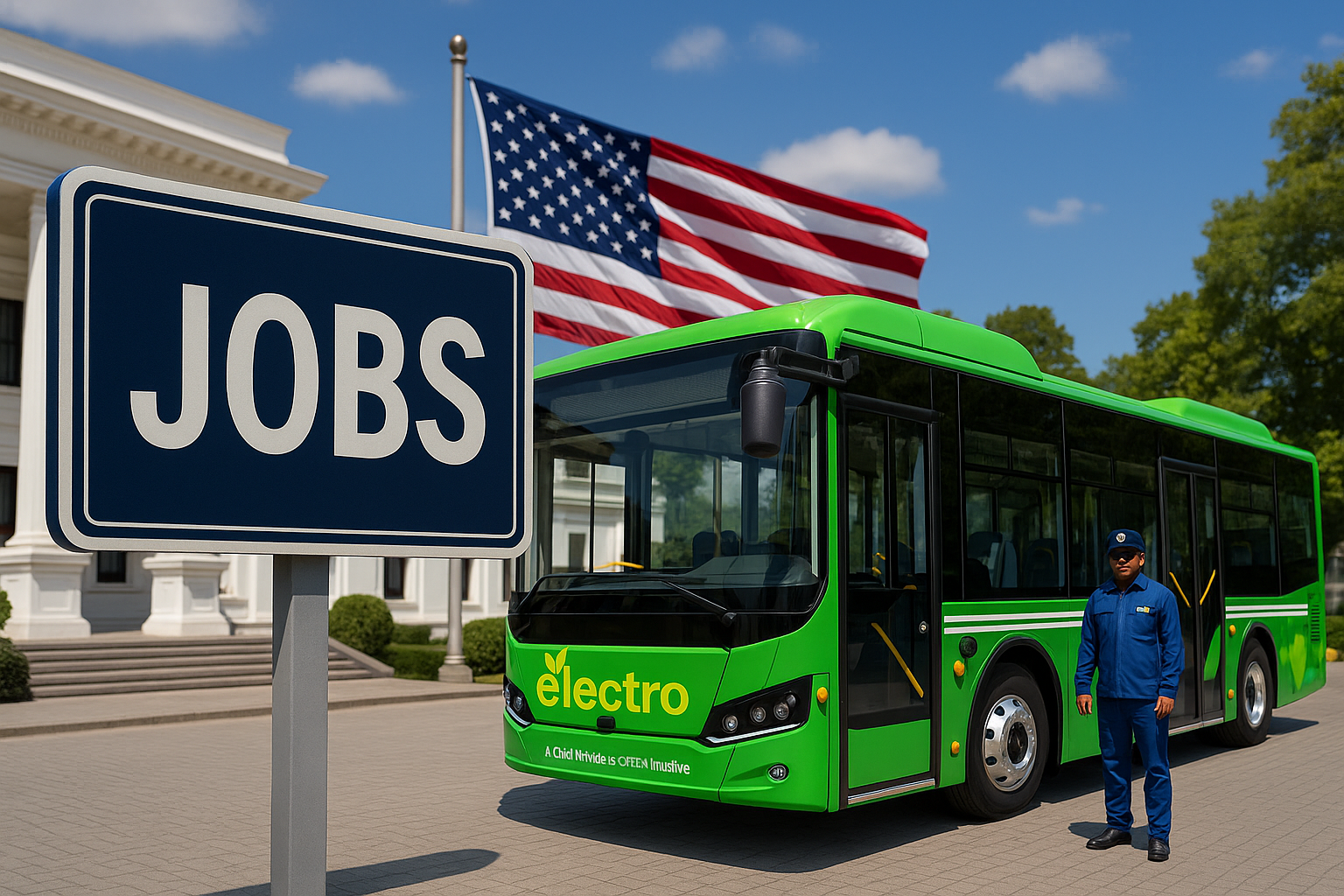
The Punjab Chief Minister’s Green Initiative has officially introduced the Rawalpindi Electric Bus Service, marking a major step toward modern, safe, and eco-friendly urban transportation. This new service aims to reduce pollution, cut fuel costs for commuters, and provide a comfortable and affordable travel experience for the public.
In the first phase, electric buses will operate on four major routes, connecting key areas of Rawalpindi with smooth, fast, and environmentally friendly transport.
This detailed article covers everything you need to know — routes, timings, mobile app, ticketing, features, benefits, and why this launch represents a turning point for Rawalpindi’s public transport system.
What Is the Rawalpindi Electric Bus Service? – Complete Overview
The Rawalpindi Electric Bus Service is part of Punjab’s broader transition toward green and sustainable urban mobility. These modern electric buses run completely on battery power, producing zero emissions, saving fuel, and ensuring a smooth, noise-free ride for passengers.
The administration has confirmed that the project is expected to reduce traffic congestion, lower transportation expenses, and improve the city’s environmental quality.
Read Also: VIP Protocol Causes Major Traffic Jam at Bus Launch – Thousands Stranded
Key Highlights
- Eco-friendly electric buses
- Run on battery — no fuel consumption
- Zero emissions, noise-free operation
- Affordable fares
- Travel card + mobile app support
- Comfortable seating and safe interior
- Easy access for women, senior citizens, and students
Four Key Routes Announced Under Phase-1
In the initial launch, the electric buses will run on four important routes across the city. These routes have been selected to cover busy areas, commercial zones, offices, hospitals, and residential neighborhoods.
1. Fawara Chowk → Koral Chowk
A high-traffic route connecting central Rawalpindi to Islamabad highways.
2. Saddar → Noonhal Colony
This route benefits daily passengers from markets and densely populated areas.
3. Marrir Chowk → Motorway Chowk
Ideal for long-distance commuters, students, and inter-city travelers.
4. Saddar → Qabristan Chowk
A busy civilian and residential corridor — serves workers, families, and shopkeepers.
These four routes form the foundation of the city’s new electric transport map. More routes are expected in the next phases.
Modern Features of Rawalpindi Electric Buses
The new electric buses have been designed according to international standards to ensure safety, comfort, and convenience.
1. Air-Conditioned Ultra-Modern Interior
Passengers enjoy a quiet, cool, and calm travel environment.
2. Spacious Seating & Standing Capacity
Ideal for rush hours with grip handles and priority seating.
3. GPS Tracking & Real-Time Location
Integrated through the official mobile app.
4. Low Floor Design
Helps elderly passengers, children, and people with disabilities easily board and exit.
5. Digital Display Screens
For announcements, route updates, safety messages, and stop information.
6. Pollution-Free Operation
A major step toward cleaner air and reduced carbon emissions in Rawalpindi.
Read Also: BISE Lahore Matric Supplementary Result 2025 – Step-by-Step Check Online
Mobile Application for Route Information & Services
A dedicated mobile application has been introduced alongside the electric bus service. This app provides:
Features
- Real-time route map
- Bus arrival timings
- Nearby stops
- Fare details
- Travel card recharge service
- Complaint registration
- Announcements and service alerts
Commuters can easily plan their trips, check bus schedules, and top up their travel cards without long queues.
Travel Card System Introduced – Recharge Easily
To make travel smooth and cashless, the administration has launched a rechargeable travel card.
Benefits of the Travel Card
- Fast entry and exit
- No need to carry cash
- Can be recharged through mobile app
- Discounts for frequent travelers (planned)
- Track your ride history
Students and regular office workers will particularly benefit from the travel card’s ease and affordability.
Why Rawalpindi Needed an Electric Bus Service – Background & Context
Rawalpindi is one of Punjab’s most populated urban regions, with daily commuting becoming increasingly challenging due to:
- Rising fuel prices
- Traffic congestion
- Air pollution
- Limited public transport options
- High travel costs
To solve these issues, the Punjab government proposed a green and integrated transport system, which includes:
- Electric buses
- Bike lanes
- Digital route planning
- Smart mobility technologies
The electric bus service is the first major step under CM Punjab’s Green Initiative.
Benefits of the New Electric Bus Service
1. Environment-Friendly Travel
Zero smoke and noise pollution creates cleaner air and a healthier city.
2. Affordable & Low-Cost Transport
Electric buses reduce operational costs, resulting in lower fares for the public.
3. Comfortable & Safe Journey
Air-conditioning, digital screens, route displays, and high safety standards improve the passenger experience.
4. Reduced Traffic Congestion
Public transport expansion means fewer private vehicles on the road.
5. Support for Women, Students & Workers
With priority seats and accessible design, the service is inclusive.
6. Boost to Urban Modernization
Rawalpindi becomes the latest city to join global green transport trends.
Public Reaction – Citizens Welcome the New Service
Social media platforms and local residents have shown strong appreciation for the electric bus launch. Many praised the government’s initiative, highlighting:
- Cleaner environment
- Modern and affordable service
- Comfort and convenience
- Ease of travel for students and working women
- Route coverage in thickly populated areas
Residents say the service should be expanded quickly to more areas of Rawalpindi and Islamabad.
Future Expansion Plans – Upcoming Routes & Features
The administration has hinted at the following upgrades in the next phases:
Expected Additions
- More electric buses
- Additional routes connecting Rawalpindi and Islamabad
- Digital ticketing upgrades
- Women-only safety compartments
- Charging stations expansion
- Integration with metro bus stations
Punjab aims to build Pakistan’s largest electric public transport network under the Chief Minister’s vision.
Read Also: Pakistan’s JF-17 Thunder Draws Massive Crowd at Dubai Airshow 2025
Conclusion About Rawalpindi Electric Bus Routes:
The launch of the Rawalpindi Electric Bus Service on Four Key Routes is a huge milestone in Pakistan’s shift toward a modern, sustainable, and environmentally friendly public transport system. With clean energy buses, digital apps, travel cards, comfort features, and future expansion plans, this initiative promises to transform daily commuting for millions of people.
Rawalpindi citizens have welcomed the project, calling it a much-needed step toward better transport and a greener city.

Top 5 FAQs – Rawalpindi Electric Bus Service
1. Which routes does the Rawalpindi Electric Bus Service cover?
The service currently operates on four routes: Fawara Chowk–Koral Chowk, Saddar–Noonhal Colony, Marrir Chowk–Motorway Chowk, and Saddar–Qabristan Chowk.
2. Is the electric bus service fully operational?
Yes, the service has been officially launched and is fully operational on all four announced routes under the Punjab Chief Minister’s Green Initiative.
3. Does the bus service have a mobile app?
Yes, a dedicated mobile app has been introduced to provide route maps, bus timings, travel card recharge, and essential service updates.
4. Are the buses air-conditioned and comfortable?
Absolutely. The electric buses are fully air-conditioned, modern, spacious, noise-free, and designed for comfortable, safe travel.
5. Can passengers recharge their travel cards online?
Yes. Passengers can recharge their travel cards through the official mobile app, along with recharge points available at bus stations.