SC Says Access to Justice Cannot Be Priced Out – Court Warns Govt on High Litigation Costs
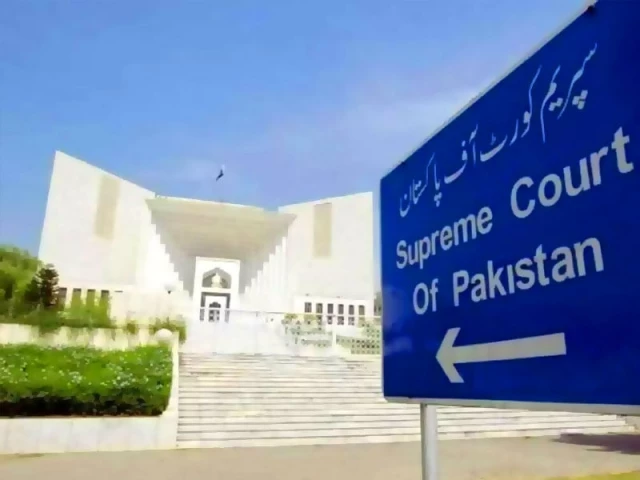
The Supreme Court of Pakistan has once again highlighted a serious issue: access to justice is becoming too expensive for the common people. In a country where a large segment of the population struggles financially, the rising court fee for civil cases, especially the Rs15,000 fee, has become a major barrier.
A five-member Shariat Appellate Bench, headed by Justice Shahid Waheed, delivered powerful observations about the affordability of justice and the responsibilities of the state. This article explains the full background, detailed court observations, reactions from legal bodies, and the impact of high litigation costs on ordinary people in Pakistan.
Rising Court Fees in Pakistan – A Major Barrier for Poor Litigants
Pakistan’s legal system already faces challenges such as delays, backlog of cases, and limited access to free legal aid. Now, an increase in civil court fee to Rs15,000 has made it even harder for people—especially the poor—to seek justice.
Many people who want to file a civil case (property dispute, financial dispute, family matter, inheritance, etc.) cannot afford such a high fee. As Justice Aqeel Abbasi noted, “Most of the people in Pakistan cannot afford this amount.”
Read Also: Punjab Govt Launches ‘Apni Zameen Apna Ghar’ Housing Project for Low-Income Families

Supreme Court Bench Strongly Criticises High Litigation Costs
The Shariat Appellate Bench heard multiple appeals challenging the increased fee and expressed disappointment that the case had not been taken seriously by officials. According to the bench:
Key Points Highlighted by the Supreme Court
- Most Pakistanis are poor or low-income.
- Justice should never be turned into a source of revenue.
- High court fees violate constitutional and Islamic principles of fairness.
- The legal system should support people, not burden them financially.
- No more adjournments will be granted — the issue must be resolved urgently.
The bench emphasised that access to justice is a fundamental right, not a privilege for those who can afford it.
Read Also: Big Relief for Pakistanis: UAE Plans New Visa Reforms After Talks With Minister Aurangzeb

Why the Increase in Court Fees Is Being Challenged?
The appeals before the Supreme Court argue that:
- Rs15,000 civil court fee is too high for the majority of citizens.
- The fee violates the principle of affordable justice guaranteed by the Constitution.
- Islamic law also supports easy and fair access to justice.
- Court fees should not become a revenue-generation tool.
Many litigants already struggle with lawyer fees, documentation expenses, and travel costs. Adding a high fee discourages them from pursuing legal remedies.

Shariat Appellate Bench – A Permanent Part of the Supreme Court
Justice Shahid Waheed criticised the perception that the Shariat Bench is “symbolic.” He reminded all law officers that:
- The Shariat Bench is fully functional and permanent.
- Cases before it must be taken as seriously as other Supreme Court cases.
- Delay in hearings reflects a systemic problem that must be corrected.
Officials attending the hearing appeared to expect another adjournment. This attitude angered the bench, which warned that no further adjournments will be allowed.
Read More: Pakistan’s Internet Quality Declines: IT Sector Urges Immediate Upgrades for Digital Growth

Bar Councils and Attorney General Summoned
To address this issue comprehensively, the bench issued notices to:
- Islamabad Bar Council
- All Provincial Bar Councils
- Attorney General for Pakistan
- Advocates General of all provinces
Their presence is required in the next hearing to provide legal opinion, explain provincial laws, and help shape a fair policy on court fees.
Different Provinces, Different Practices – Inequality in Access to Justice
During the hearing, Balochistan Advocate General Ayaz Swati revealed an important point:
“Balochistan charges no court fee for criminal cases.”
This shows that court fee practices vary across provinces, creating unequal access to justice. While some regions offer relief, others impose high costs that poor citizens cannot bear.
The Supreme Court stressed that justice should be uniform and affordable across all provinces.
Why Court Fees Should Not Be a Revenue Tool
Justice Aqeel Abbasi made an important observation:
“Access to justice must not become a source of revenue.”
This is a powerful reminder that:
- The purpose of court fees should be administrative support, not income generation.
- When fees become too high, the poor are silenced and excluded.
- A justice system loses credibility if it only serves those who can pay.
Making justice costly creates a dangerous gap between the rich and the poor.
Legal and Islamic Principles Supporting Affordable Justice
Both the Constitution of Pakistan and Islamic jurisprudence emphasise that justice must be:
- Accessible
- Affordable
- Fair
- Equal for all citizens
Articles related to fundamental rights also support easy access to courts without financial discrimination.
Islamic teachings strongly condemn systems where the poor are unable to seek justice due to financial constraints.
Impact of High Court Fees on Society
1. Poor Litigants Avoid Filing Cases
Many people give up their legal rights because they cannot afford fees.
2. Increase in Out-of-Court Settlements
These settlements are often unfair and forced.
3. Rise in Illegal Practices
Middlemen and agents exploit vulnerable litigants.
4. Trust in Judiciary Declines
People believe the justice system favors the rich.
5. Backlog of Cases Increases
Poor people delay filing until absolutely necessary, creating long-term congestion.
Why the Supreme Court’s Observations Matter
The Supreme Court’s stance has sparked a national conversation about judicial reforms. The bench’s message is clear:
- Justice cannot have a price tag.
- The state must ensure affordability.
- Court fees should be revised, reduced, or subsidized.
This could lead to major reforms in Pakistan’s legal processes.
Expected Outcomes of the Case
If the Supreme Court rules in favor of the appeals, we may see:
Possible Reforms
- Reduction of civil court fee from Rs15,000.
- Different fee structures for poor litigants.
- Introduction of slab-based fee system.
- Free access to court for low-income citizens.
- Provincial uniformity in court fee laws.
- Subsidized legal aid programs at a national level.
Such reforms would make the justice system more inclusive and equitable.
Conclusion
The Supreme Court’s strong remarks highlight a crucial point: justice should never be out of reach for citizens simply because they are poor. As Pakistan faces growing economic challenges, affordability of justice becomes even more important.
The upcoming decision on civil court fees will affect millions of people across the country. If the court reforms the fee structure, it will be a historic moment for constitutional rights, public welfare, and Islamic principles of justice.
The government, legal community, and judiciary must work together to ensure that no citizen is denied justice because of financial limitations.
FAQs — Access to Justice & Court Fee Issue in Pakistan
1. Why is the Supreme Court concerned about high court fees?
The Supreme Court believes high court fees make justice unaffordable for poor citizens, violating the principle of equal access to justice.
2. What court fee amount is being challenged?
Multiple appeals have been filed against the Rs15,000 civil court fee, which many Pakistanis cannot afford.
3. What did Justice Aqeel Abbasi say about justice affordability?
He said justice must not become a source of revenue and that most Pakistanis cannot afford the current legal costs.
4. Which officials have been summoned by the court?
The Supreme Court has summoned the Attorney General of Pakistan, Advocates General of all provinces, and Bar Councils for the next hearing.
5. Can provinces set their own court fee policies?
Yes, provinces have different practices. For example, Balochistan charges no court fee for criminal cases, showing the lack of uniformity across the country.