Wild Snow Leopard Returns to Chitral Highlands After Years – A Rare Sight in Hindukush
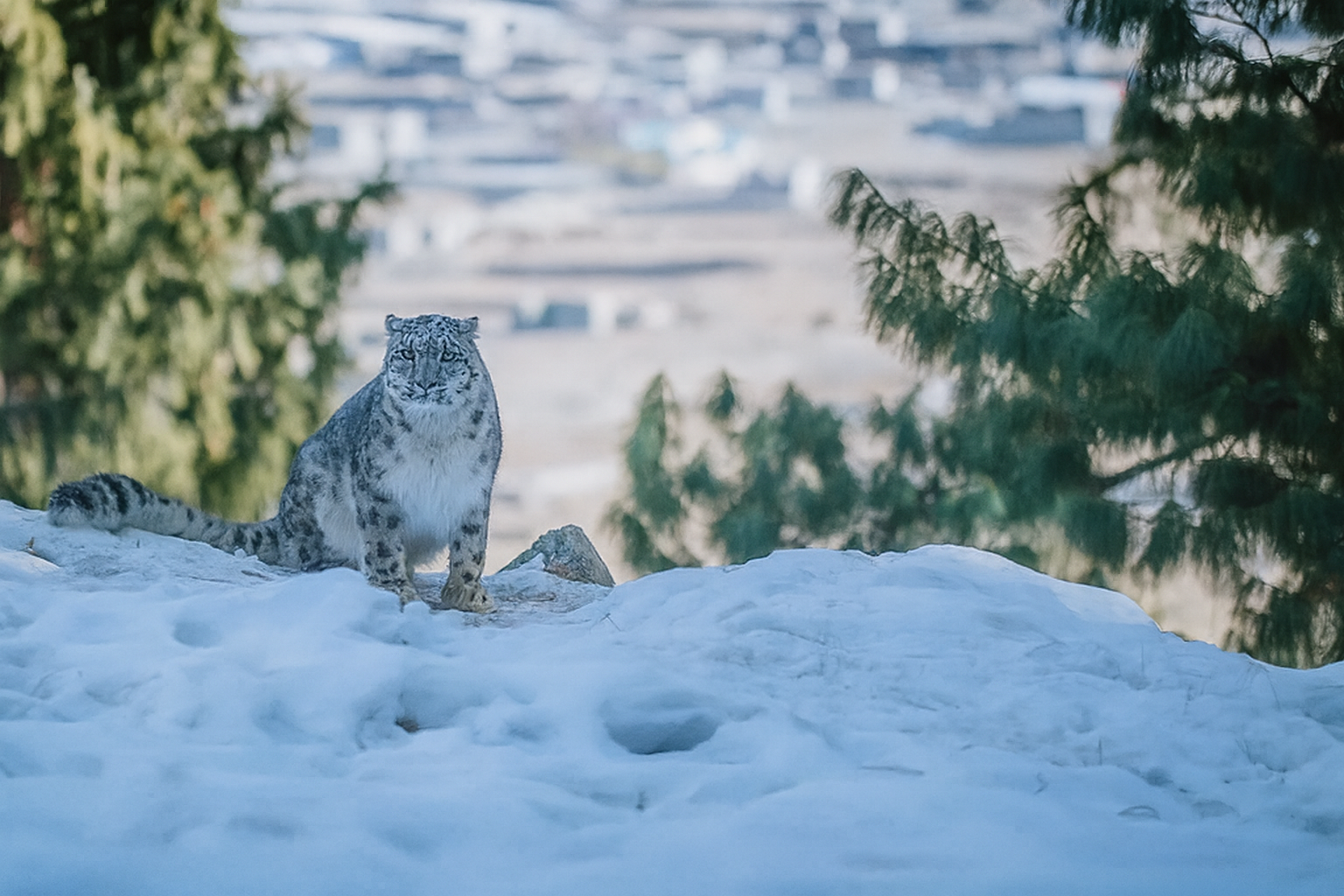
Snow leopards are among the world’s rarest and most mysterious big cats. For years, their population in Pakistan’s northern mountains has been declining due to habitat loss, poaching, climate change, and shrinking prey. But recently, a rare wild snow leopard sighting in the Lot Koh Valley of Chitral has brought excitement and concern among local residents and wildlife authorities.
This 1500+ word article explains everything about the sighting, snow leopard behavior, threats, conservation efforts, expert opinions, reactions from the community, and what this means for Pakistan’s wildlife future.
1. Introduction – A Snow Leopard Appears in Chitral After Years
A wild snow leopard was spotted in the remote Lot Koh Valley of Chitral on Thursday, marking one of the rarest animal encounters in recent years. The big cat appeared near Munoor village, where three locals saw it closely as it roamed through open fields.
According to local residents and wildlife officials:
- The predator entered a goat corral
- It killed one goat
- The carcass was partially eaten
- The cat later moved back to the highlands
This unexpected reappearance has created both fear and fascination among villagers—many of whom have never seen a snow leopard in person.

2. Who Spotted the Snow Leopard? – Eyewitness Accounts
The sighting was confirmed by multiple people, including:
Buzurg Shah & Bahader Shah
Both men were returning from the mosque when they suddenly noticed a large, pale-colored cat moving quietly in the fields. At first, they were shocked—but later realized it was a snow leopard, an animal known to live far away in the high mountains.
A Woman from Munoor Village
A resident woman also spotted the big cat from her house lawn. She stated that the animal was calm and alert, and stayed in the field area for some time before moving toward livestock cages.
Village Council Chairman Shah Abdur Rahim
He confirmed that:
- The snow leopard entered a livestock corral
- Killed one goat
- Left part of the carcass uneaten
- Moved towards upper mountains after feeding
He added that such incidents are rare and usually happen when snow leopards descend in search of food during harsh winter months.
Read Also: VIP Protocol Causes Major Traffic Jam at Bus Launch – Thousands Stranded

3. Wildlife Department Arrives – Response by Officials
The news spread quickly, and the Divisional Forest Officer (DFO), Farooq Nabi, arrived with his team to monitor the animal’s movement.
The wildlife team:
- Inspected the area
- Assessed livestock damage
- Monitored the trails the leopard followed
- Advised villagers to stay indoors at night
- Warned herders to keep animals inside protective enclosures
Nabi called the sighting a “rare and significant development.” He emphasized that snow leopards have almost vanished from their traditional habitats due to environmental changes and human expansion.
Read More: PSER in AZAG Scheme Registration – Mandatory Requirement Explained

4. Why Is This Sighting So Important?
Snow leopards live between 3,000 to 5,500 meters above sea level in extremely cold climates. They are shy, solitary, and almost impossible to see with the naked eye.
In recent years, snow leopards in Pakistan have been detected mostly through:
- Camera traps
- Drone monitoring
- Footprints and scat analysis
But seeing one directly is extremely rare.
Reasons Why This Sighting Matters:
- Shows that snow leopards still exist in Chitral’s highlands
- Confirms their movement towards lower altitudes
- Suggests prey scarcity or harsh weather in upper mountains
- Indicates potential breeding signs in the region
- Helps conservationists track population health
Earlier this year, the same snow leopard was recorded only by camera traps in the Gahiret-Golen conservancy.

5. Why Did the Snow Leopard Come Down to the Village?
Experts believe snow leopards come down mainly due to:
1. Food Scarcity
When prey like markhor, ibex, or musk deer become scarce, snow leopards seek livestock.
2. Harsh Winter Weather
Extreme snowfall forces them to lower altitudes temporarily.
3. Human Disturbance in High Ranges
Tourism, construction, and deforestation disturb their natural habitat.
4. Seasonal Movement
Some snow leopards migrate seasonally to explore new hunting grounds.
6. Snow Leopards in Pakistan – Current Population Status
Snow leopards live mainly in:
- Chitral
- Gilgit-Baltistan
- Khunjerab
- Deosai
- Skardu
- Astore
- Swat upper regions
According to WWF and the Snow Leopard Foundation:
- Estimated 200–450 snow leopards exist in Pakistan
- Their population is classified as Vulnerable by the IUCN
- Habitat loss and poaching remain major threats
Chitral has historically been a strong snow leopard zone, but sightings became extremely rare in the last decade.
7. What Do Local Residents Think? – Fear and Hope Together
The sudden presence of such a powerful predator naturally created mixed reactions among residents.
People Are Worried Because:
- Their livestock (goats, sheep, calves) are at risk
- Children walking in early morning or evening may face danger
- Snow leopard attacks in past years killed several animals
But Many Are Also Excited Because:
- It proves that wildlife is returning
- The mountains are still ecologically healthy
- It may boost tourism and wildlife photography
Villagers hope that the government supports them through compensation for livestock losses.
8. What Are Wildlife Experts Saying?
Experts describe this as an “encouraging yet alarming” sighting.
Encouraging Because:
- It confirms the existence of snow leopards in Chitral
- Shows that conservation programs may be working
Alarming Because:
- Snow leopard entering villages signals habitat pressure
- Livestock killings may increase human-wildlife conflict
- Climatic stress may be shrinking prey population
They also recommend stronger community awareness programs.
9. Human–Snow Leopard Conflict – A Growing Concern
Every winter, snow leopards kill dozens of livestock in northern Pakistan. This leads to anger among locals, sometimes resulting in retaliation killings.
Common reasons for conflict:
- Poor livestock sheds
- Goats left in open fields
- Human encroachment in highland areas
- Overgrazing by domestic herds
- Decline of wild prey
Wildlife authorities aim to prevent conflict by:
- Building predator-proof corrals
- Offering livestock compensation
- Community-based conservation programs
10. Government & NGO Efforts to Protect Snow Leopards
Several organizations are working in Chitral and Gilgit-Baltistan to protect these endangered cats:
WWF Pakistan
Snow Leopard Foundation (SLF)
Khyber Pakhtunkhwa Wildlife Department
Gilgit-Baltistan Parks & Wildlife Department
Their conservation strategies include:
- Camera trapping
- GPS tracking
- Community training
- Livestock insurance
- Habitat restoration
- Anti-poaching patrols
These efforts have helped stabilize the snow leopard population, but more work is needed.
11. What Should Locals Do if They See a Snow Leopard?
Wildlife teams advise the following safety measures:
- Stay indoors and keep children close
- Do not approach or tease the animal
- Never try to scare or attack the leopard
- Inform wildlife officials immediately
- Keep livestock locked inside secure cages at night
Snow leopards usually avoid humans and rarely attack unless provoked.
12. Snow Leopard Behavior – Why They Are So Unique
Snow leopards are known for:
Stealth and Silence
They move like shadows and can travel 5–10 km in one night.
Camouflage
Their grey-white fur blends with snowy mountains.
Strong Hind Legs
They can jump 30 feet in one leap—one of the highest among big cats.
Solitary Lifestyle
They live and hunt alone.
Territorial Roaming
One snow leopard may roam across 100–200 sq km.
This makes every sighting a major scientific event.
13. What This Sighting Means for Chitral’s Ecosystem
This rare appearance signals:
- A healthy mountain ecosystem
- Possibility of increased wildlife presence
- Need for stronger conservation
- Importance of local awareness
- Potential for eco-tourism in the future
Chitral could become a major snow leopard conservation hub if efforts continue.
14. Conclusion – A Rare Moment for Pakistan’s Wildlife History
The wild snow leopard’s return to the Chitral Highlands has created excitement, surprise, and concern across the region. While the sighting highlights the beauty of nature, it also reminds us of the urgent need to protect endangered species.
This moment brings hope that Pakistan’s majestic wildlife still survives despite environmental challenges—and with proper conservation efforts, future generations may continue to witness these incredible creatures.
Frequently Asked Questions (FAQs)
1. Why did the snow leopard come down to the village in Chitral?
Snow leopards usually come down from the high mountains when food becomes scarce, when harsh winter weather pushes them downward, or when human activity disturbs their natural habitat. They mostly target livestock only when their wild prey is limited.
2. Is the snow leopard dangerous for local people?
Snow leopards rarely attack humans. They are shy, solitary, and avoid human contact. Problems usually occur only when they enter livestock sheds at night. Wildlife experts still advise residents to stay cautious and avoid approaching the animal.
3. What should villagers do if they see a snow leopard again?
People should immediately inform the wildlife department, keep children indoors, secure livestock in strong sheds, and avoid getting close to the animal. Do not chase, tease, or attempt to scare it away, as this may provoke a defensive reaction.
4. How many snow leopards are left in Pakistan?
According to conservation groups like WWF and the Snow Leopard Foundation, Pakistan has around 200 to 450 snow leopards. They are considered a Vulnerable species due to habitat loss, poaching, and climate change.
5. What steps are being taken to protect snow leopards in Chitral?
Wildlife departments and NGOs are working on camera trapping, GPS monitoring, livestock insurance programs, predator-proof corrals, and community education. These efforts help reduce human–snow leopard conflict and protect the species from extinction.