PM Shehbaz Says Pakistan Is Out of Economic Crisis – Reality, Reforms, and Ground Challenges Explained
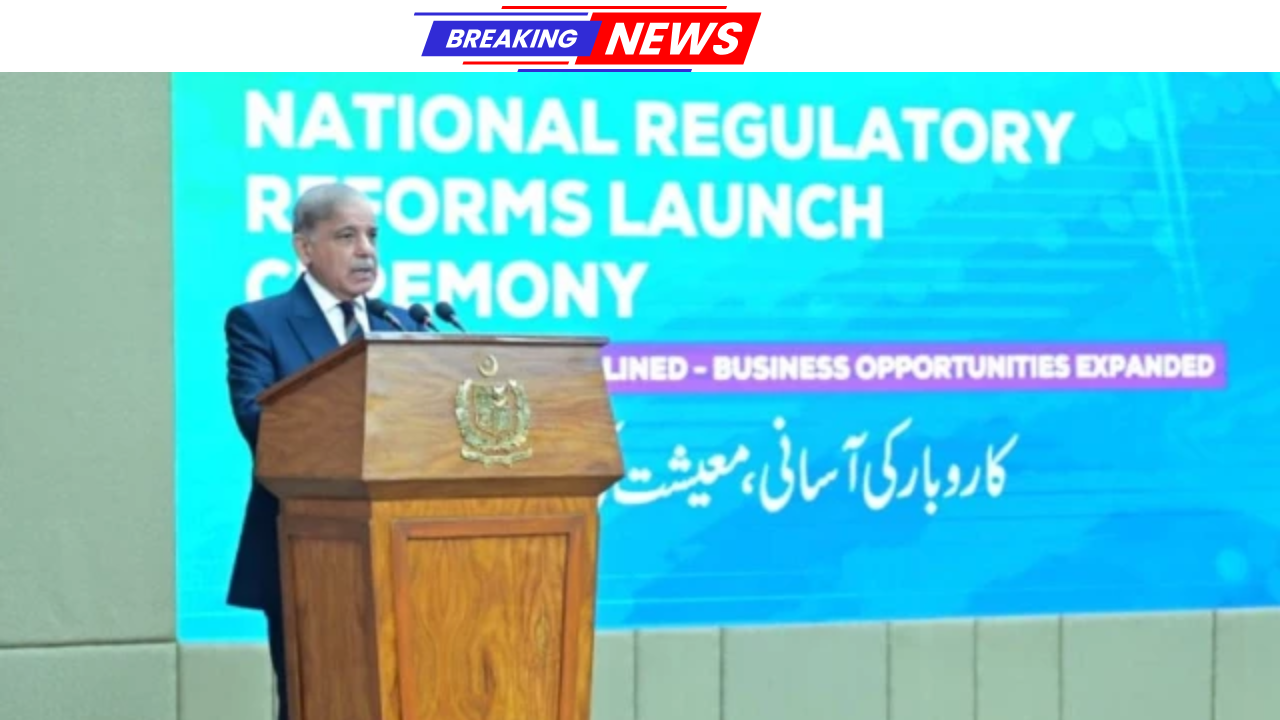
Prime Minister Shehbaz Sharif has announced that Pakistan has come out of a severe economic crisis and is now moving towards stability and growth through major reforms. Speaking at the launch ceremony of National Regulatory Reforms in Islamabad, the prime minister said the country was on the brink of default when his government took charge, but strong decisions, teamwork, and international support helped Pakistan avoid collapse.
However, while the government presents a hopeful picture, many citizens still question whether the economic recovery is visible in daily life. This article explains PM Shehbaz Sharif’s claims, the reforms introduced, the IMF role, and the ground realities faced by common people, in simple and easy English.
Pakistan’s Economic Crisis: Where We Stood Before
When the current government came into power, Pakistan was facing one of the worst economic situations in its history.
Key Problems at That Time
- Foreign exchange reserves were extremely low
- Inflation was rising rapidly
- Policy interest rate crossed 20%
- Imports were restricted
- Businesses were shutting down
- Foreign Direct Investment (FDI) almost stopped
PM Shehbaz said Pakistan was very close to financial default, which could have resulted in:
- Suspension of international trade
- Massive unemployment
- Shortage of fuel, food, and medicines
The fear of default had created panic in markets and among investors.
IMF Bailout and Economic Stabilisation
One of the most important steps taken by the government was securing support from the International Monetary Fund (IMF).
IMF $1.2 Billion Tranche – Why It Matters
The approval of a $1.2 billion IMF tranche helped Pakistan:
- Avoid default
- Stabilise the rupee
- Improve foreign exchange reserves
- Restore confidence of global lenders
However, IMF support came with strict conditions, including:
- Higher electricity and gas prices
- Increased taxes
- Reduction in subsidies
- Tight fiscal discipline
While these measures helped the government financially, they increased the burden on ordinary citizens.
National Regulatory Reforms – A “Quantum Jump”?
PM Shehbaz called the new National Regulatory Framework a “quantum jump” for Pakistan’s economy.
What Are National Regulatory Reforms?
These reforms aim to:
- Reduce unnecessary regulations
- Make business processes easier
- Cut corruption and inefficiency
- Improve coordination between federal and provincial governments
The goal is to transform Pakistan from a regulatory state into a developmental state.
Key Sectors Targeted for Growth
The government says future economic growth will come from specific sectors.
1. Agriculture Sector Reforms
- Attract foreign investment in modern farming
- Improve productivity through technology
- Increase agricultural exports
2. Information Technology (IT)
- Promote software exports
- Support startups
- Create jobs for young professionals
3. Mines and Minerals
- Develop Pakistan’s untapped mineral resources
- Encourage foreign companies to invest
- Increase export revenue
These sectors are being promoted to bring Foreign Direct Investment (FDI) from Europe, the Middle East, and the Far East.
Youth, Skills, and Employment Vision
PM Shehbaz highlighted Pakistan’s large youth population as a major strength.
Government’s Youth Plan Includes:
- Vocational training programs
- International certifications
- Skill development for global job markets
The idea is that skilled Pakistani youth can:
- Get better jobs locally
- Work abroad
- Send remittances to Pakistan
This, according to the government, will help make Pakistan richer and more prosperous.
Tariff Rationalisation and Export-Led Growth
PM’s Special Assistant Haroon Akhtar explained that reforms are based on three major pillars:
1. Tariff Rationalisation
- Removal of arbitrary duties
- Predictable import/export tariffs
- Lower cost of doing business
2. Regulatory Modernisation
- Digital approvals
- Faster decision-making
- Less red tape
3. Export-Led Industrial Revival
- Focus on exports instead of imports
- Competitive manufacturing
- Revival of industries
This approach aims to reduce Pakistan’s trade deficit and strengthen the economy.
International Support and Strategic Partnerships
The prime minister thanked international partners for their support.
Key Partners Mentioned
- United Kingdom
- Saudi Arabia and Middle Eastern allies
- United States
UK Minister Baroness Jenny Chapman said Pakistan has:
- Strong entrepreneurial talent
- Valuable natural resources
- Strategic global trade position
She also highlighted:
- UK-Pakistan trade reaching £5.5 billion annually
- Support from the Pakistani diaspora in the UK
- New trade dialogues to boost investment
Ground Reality: What Common People Are Saying
Despite government claims, many citizens feel the situation has not improved at street level.
Major Public Concerns
- High inflation in food and utilities
- Expensive electricity and fuel
- Low purchasing power
- Job insecurity
- Rising taxes
Many people argue that economic recovery exists on paper, not in everyday life.
Public Reaction Examples
- Salaries have not increased with inflation
- Small businesses still struggling
- Middle-class shrinking rapidly
Citizens say they will believe economic recovery when:
- Prices come down
- Jobs increase
- Healthcare and education become affordable
Is Pakistan Really Out of Economic Crisis?
The answer depends on how recovery is measured.
From Government’s Perspective
✅ Default avoided
✅ IMF program secured
✅ Currency stabilised
✅ Investor confidence slowly returning
From Public Perspective
❌ Cost of living still very high
❌ No visible relief for common man
❌ Economic pressure continues
Experts say Pakistan has moved from economic collapse to economic stabilisation, not full recovery.
Challenges Ahead for Pakistan’s Economy
Even with reforms, Pakistan faces serious challenges:
- Political uncertainty
- Security issues and terrorism concerns
- Weak tax base
- High defense spending
- Low productivity
Without consistent policies, good governance, and real relief for citizens, reforms may not deliver long-term results.
Conclusion: Hope, Reforms, and Reality Must Align
PM Shehbaz Sharif’s statement that Pakistan is out of economic crisis reflects institutional and financial stabilisation, mainly achieved through IMF support and regulatory reforms. The launch of the National Regulatory Reforms is a positive step toward better governance, investment, and economic growth.
However, for the common Pakistani, true recovery will only be felt when daily life becomes easier. Economic success will be real when inflation reduces, jobs increase, and basic needs become affordable.
Pakistan now stands at a critical turning point. If reforms are implemented honestly and benefits reach ordinary citizens, the country can move toward sustainable growth. Otherwise, public trust will remain weak despite positive economic indicators.
Frequently Asked Questions (FAQs)
1. Has Pakistan really come out of the economic crisis?
Pakistan has avoided financial default and achieved economic stabilisation mainly due to IMF support and government reforms. However, full economic recovery has not yet reached common people, as inflation and living costs remain high.
2. What did PM Shehbaz Sharif say about Pakistan’s economy?
PM Shehbaz Sharif said Pakistan was on the verge of default when his government took office but is now moving forward after overcoming severe economic challenges through teamwork, planning, and reforms.
3. What are National Regulatory Reforms in Pakistan?
National Regulatory Reforms aim to reduce unnecessary regulations, improve governance, cut corruption, and make it easier for businesses, industries, agriculture, and foreign investors to operate in Pakistan.
4. What role did the IMF play in Pakistan’s economic stability?
The IMF approved a $1.2 billion tranche for Pakistan, which helped stabilise the economy, improve foreign reserves, and restore investor confidence, but it also led to higher taxes and utility prices.
5. Why do people still feel economic pressure despite government claims?
Many citizens still face high inflation, expensive electricity and fuel, low salaries, and job insecurity. This is why people feel the economic recovery is not visible in their daily lives