Petrol & Diesel Prices Hike in Pakistan Phase 2 November 2025

The Petrol & Diesel Prices Hike has created a new wave of concern among the public, especially commuters, transporters, and daily wage workers. With rising global oil trends and currency pressure, Pakistan’s fuel prices are expected to see another upward adjustment this month. As inflation remains a major challenge, the latest fuel rate update is being closely monitored by citizens across the country.
In Phase 2 of the November fuel price cycle, the government and OGRA are reviewing international crude oil movement, dollar exchange fluctuations, and import premiums. The last fuel price adjustment already affected transportation and commodity markets, and this next revision may bring further price increases. Policy analysts believe fuel prices will continue to remain sensitive to international market shifts in the coming weeks.
Fuel prices play a direct role in Pakistan’s economic stability, influencing the cost of goods, agricultural transportation, industrial production, and everyday commuting. With another fuel hike expected in November 2025, many sectors including logistics, agriculture, and manufacturing are preparing for rising operational costs. Meanwhile, households are bracing for tougher monthly budgeting as petrol and diesel remain essential for mobility and supply chain function.
The government is also expected to introduce relief strategies to protect low-income groups from the impact of rising fuel costs, including targeted subsidies and fare monitoring on public transportation routes. While officials emphasize that price hikes are tied to global market realities, consumers are hoping for long-term solutions such as increased energy reserves, alternative fuel strategies, and economic stability to reduce dependence on expensive imports in the future.
Current Petrol & Diesel Prices – Phase 2 October 2025
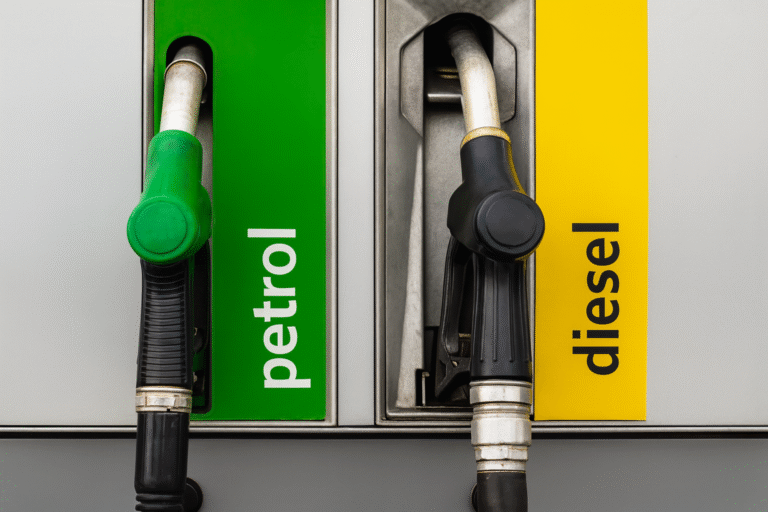
- Petrol (Octane 92/95): Rs. [Insert Latest Price] per litre
- High-Speed Diesel (HSD): Rs. [Insert Latest Price] per litre
These revised rates are applicable nationwide and reflect changes in global oil markets, taxation policies, and currency fluctuations.
Check Also: How to Check Your Apni Chhat Apna Ghar PMT Score for Program Eligibility
Reasons Behind the Price Hike
Several factors have contributed to the petrol and diesel price increase:
- Global Crude Oil Prices: International oil rates have surged recently, increasing import costs.
- Currency Depreciation: A weaker Pakistani Rupee against the US Dollar adds to import expenses.
- Government Levies and Taxes: Adjustments in petroleum levies, GST, and other taxes have increased pump prices.
- Inflationary Pressures: Rising overall economic costs push energy prices upward.
Impact on Citizens and Businesses
The Phase 2 fuel price hike affects multiple areas of daily life:
- Transportation Costs: Public transport fares and ride-hailing services are expected to increase.
- Agriculture: Farmers face higher costs for diesel-powered machinery, affecting crop production and distribution.
- Household Budget: Essential goods and services become costlier as transportation costs increase.
- Business Operations: Logistics, supply chains, and delivery services will see higher operational costs.
Tips to Reduce Fuel Expenses
- Use Public Transport: Reduce reliance on private vehicles.
- Carpooling: Share rides to cut individual fuel costs.
- Maintain Vehicles: Proper maintenance ensures better fuel efficiency.
- Drive Smartly: Avoid sudden acceleration and idling to save fuel.
- Explore Alternatives: Electric vehicles (EVs) and other energy-efficient modes can help reduce dependency on fuel.
Read Also: CM Punjab Himmat Card Scheme Phase 2 2025 – Apply for Benefits
FAQs Petrol & Diesel Prices Hike 2025:
Q1: How much has petrol price increased in Pakistan – Phase 2 October 2025?
A: Petrol prices have increased by over Rs. 4 per litre in most cities across Pakistan as part of the Phase 2 adjustment.
Q2: What is the new diesel price in Pakistan for Phase 2 October 2025?
A: High-Speed Diesel (HSD) has also been increased, with the exact rates varying slightly between cities.
Q3: Why did petrol and diesel prices increase in Phase 2 October 2025?
A: The hike is due to rising international oil prices, currency depreciation, and adjustments in government taxes and levies.
Q4: How will the fuel price hike affect public transport fares in Pakistan?
A: Increased petrol and diesel prices lead to higher operational costs for transport services, which often results in fare hikes.
Q5: Does the diesel price hike affect food and goods prices?
A: Yes, higher diesel costs increase transportation expenses, leading to potential increases in the prices of essential goods.
Q6: What can citizens do to reduce the impact of rising fuel prices?
A: Use public transport, carpool, maintain vehicles for efficiency, and consider fuel-efficient or electric vehicles.
Q7: Are petrol and diesel prices likely to increase further in 2025?
A: Future prices depend on global oil rates, Pakistani rupee value, and government policy adjustments.
Q8: How do petrol and diesel price hikes affect the agricultural sector in Pakistan?
A: Farmers face higher costs for diesel-powered machinery, which increases overall production expenses.
Q9: Where can I check the latest petrol and diesel rates in Pakistan online?
A: Citizens can check updated rates on the Oil & Gas Regulatory Authority (OGRA) website and leading news portals.
Q10: What are the government measures to help citizens cope with fuel price hikes?
A: Some initiatives include promoting public transport, EV incentives, and subsidies for essential sectors to reduce financial burden.
Conclusion
The Phase 2 petrol and diesel price hike in October 2025 highlights the growing influence of global and domestic economic factors on daily life. Being aware of the new fuel rates and adjusting consumption habits can help households and businesses manage the impact efficiently.
The Phase 2 petrol and diesel price hike in October 2025 highlights the increasing influence of global oil markets and domestic economic conditions on everyday life in Pakistan. Citizens and businesses alike feel the immediate impact, from higher transportation costs to increased prices for goods and services. Understanding these changes is essential to plan household and business budgets effectively.
Read Also: Complete Guide to Apni Chat Apna Ghar Registration
For households, the key is to adopt strategies that minimize fuel consumption and reduce dependency on private vehicles. Using public transport, carpooling, and switching to fuel-efficient or electric vehicles are practical steps to mitigate the financial burden caused by rising fuel prices.
Fuel hike Phase 2 Pakistan for businesses, especially those relying on logistics and transportation, proper planning and cost management are critical. Efficient route planning, fleet maintenance, and exploring alternative energy options can help offset the impact of higher fuel costs.
Fuel price impact Pakistan staying informed about fuel rate changes, government policies, and global oil price trends empowers citizens and businesses to make proactive decisions. While the Phase 2 fuel price hike may be challenging, being prepared and adopting smart practices ensures that households and enterprises can manage expenses effectively and minimize financial stress.