Petrol and Diesel Price Gap 2026 – Detailed Economic Breakdown
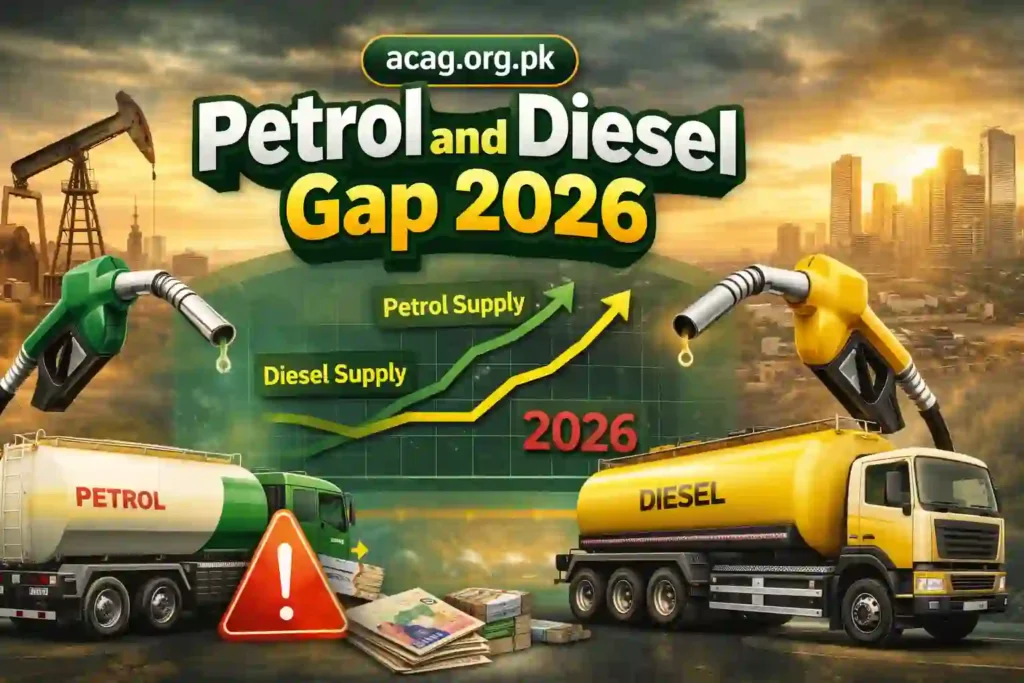
The petrol and diesel price gap in 2026 has become one of the most discussed economic topics, especially in countries like Pakistan where fuel prices directly impact inflation, transportation, and daily living costs. With petrol priced at 458.51 PKR per litre and diesel at 520.35 PKR per litre, the difference is not only significant but also economically meaningful.
In this detailed article, we will explore the petrol vs diesel price difference 2026, its causes, economic implications, and what it means for the general public, businesses, and the national economy.
Petrol and Diesel Price Gap 2026 – Current Rates and Difference
As of 2026:
- Petrol Price: 458.51 PKR per litre
- Diesel Price: 520.35 PKR per litre
👉 Price Gap = 61.84 PKR per litre
This gap is unusually high compared to previous years and reflects deeper economic and policy-driven factors.

Why is Diesel More Expensive Than Petrol in 2026?
1. High Demand in Industrial and Transport Sectors
Diesel is heavily used in:
- Trucks and cargo transport
- Agricultural machinery (tractors, tube wells)
- Construction equipment
👉 Because of this, diesel demand is more commercially driven, which pushes its price higher.
2. Government Tax Structure and Policy Impact
Governments often:
- Adjust petroleum levies
- Impose higher taxes on diesel due to its commercial usage
In 2026, fiscal pressure and revenue generation strategies have increased the burden on diesel pricing.
3. Global Oil Market Trends
International crude oil fluctuations affect diesel more than petrol in some cases because:
- Diesel refining cost is higher
- Global supply chains prioritize certain fuel types
4. Currency Devaluation (PKR vs USD)
Pakistan imports fuel in US dollars.
👉 When the Pakistani Rupee weakens:
- Import cost increases
- Diesel becomes more expensive due to higher bulk demand
5. Refining and Distribution Costs
Diesel requires:
- Different refining processes
- Higher storage and transportation logistics
These added costs are passed on to consumers.
Economic Impact of Petrol and Diesel Price Gap in 2026
1. Increase in Transportation Costs
Diesel is the backbone of:
- Public transport
- Goods delivery systems
👉 Higher diesel price = higher freight cost = expensive goods
2. Inflation Across All Sectors
The diesel price increase directly impacts:
- Food prices
- Construction materials
- Daily essentials
This creates a chain reaction of inflation across the economy.
3. Impact on Agriculture Sector
Farmers rely heavily on diesel for:
- Tractors
- Water pumps
- Harvesting machines
👉 Higher diesel cost leads to:
- Increased production cost
- Expensive crops
- Reduced farmer profit margins
4. Burden on Middle and Lower Class
Although petrol is cheaper than diesel:
- Many people still rely on public transport (diesel-based)
👉 Result:
- Increased fares
- Higher cost of living
5. Industrial Slowdown Risk
Industries using diesel generators face:
- Higher operational costs
- Reduced profit margins
This can slow down production and economic growth.

Petrol vs Diesel Price Gap – Historical Comparison
In previous years:
- Petrol was often more expensive than diesel
- Governments used subsidies to keep diesel affordable
👉 However, in 2026:
- Policies have shifted
- Subsidies reduced
- Market-driven pricing increased the gap

Impact on Daily Life in Pakistan
Transportation Fares Increased
- Bus fares increased
- Ride-hailing services adjusted pricing
Food Prices Rising
- Vegetables and fruits transported via diesel trucks
- Price hike passed to consumers
Electricity Costs Affected
- Diesel generators used during load shedding
- Increased electricity backup cost
Government Measures and Possible Solutions
1. Subsidy Adjustments
Government may:
- Introduce targeted subsidies for farmers
- Control diesel price spikes
2. Promotion of Alternative Energy
Shift towards:
- Electric vehicles
- Solar-powered agriculture
3. Currency Stabilization
Strengthening PKR can:
- Reduce import costs
- Lower fuel prices
4. Efficient Fuel Management Policies
Better regulation of:
- Supply chain
- Fuel pricing mechanisms
Future Outlook of Petrol and Diesel Prices
In the coming months of 2026:
- Prices may remain volatile
- Global oil trends will play a major role
- Government policy decisions will be crucial
👉 The gap may:
- Increase further if diesel demand rises
- Decrease if subsidies or global prices stabilize
How to Manage High Fuel Costs (Practical Tips)
- Use fuel-efficient vehicles
- Prefer carpooling or public transport wisely
- Reduce unnecessary travel
- Shift to hybrid or electric options if possible
FAQs – Petrol and Diesel Price Gap 2026
What is the current petrol and diesel price in 2026?
Petrol is 458.51 PKR per litre, while diesel is 520.35 PKR per litre.
What is the price difference between petrol and diesel in 2026?
The current gap is approximately 61.84 PKR per litre.
Why is diesel more expensive than petrol in 2026?
Due to higher demand in transport and agriculture, increased taxes, refining costs, and global oil market dynamics.
How does diesel price affect inflation?
Diesel impacts transportation and production costs, which increases the prices of goods and services.
Will petrol and diesel prices decrease in 2026?
Prices depend on global oil rates, currency value, and government policies. There is no guarantee of reduction.
How can people reduce fuel expenses?
By using fuel-efficient methods, reducing travel, and adopting alternative energy solutions.
Petrol and Diesel Price Gap 2026 Conclusion
The petrol and diesel price gap in 2026 is not just a numerical difference but a reflection of deeper economic challenges. With diesel priced significantly higher than petrol, the impact is being felt across all sectors, from transportation to agriculture and daily household expenses.
Understanding this gap helps individuals and businesses make informed decisions, while also highlighting the need for better fuel policies and economic stability. As fuel prices continue to shape the economic landscape, staying informed is essential for managing costs and planning ahead.