Petrol Price Increase Pakistan 2026 – Economic Impact and Analysis
The petrol price increase in Pakistan 2026 has become one of the most discussed economic issues in the country. With the latest petrol rate reaching PKR 458.51 per liter, citizens, businesses, and policymakers are facing serious challenges. This sharp rise in fuel prices is not only affecting transportation but also creating a ripple effect across the entire economy.
Pakistan heavily depends on imported petroleum products. Any fluctuation in global oil prices, currency exchange rates, or government policies directly impacts local fuel prices. The current increase reflects a combination of international market pressure and domestic economic conditions.
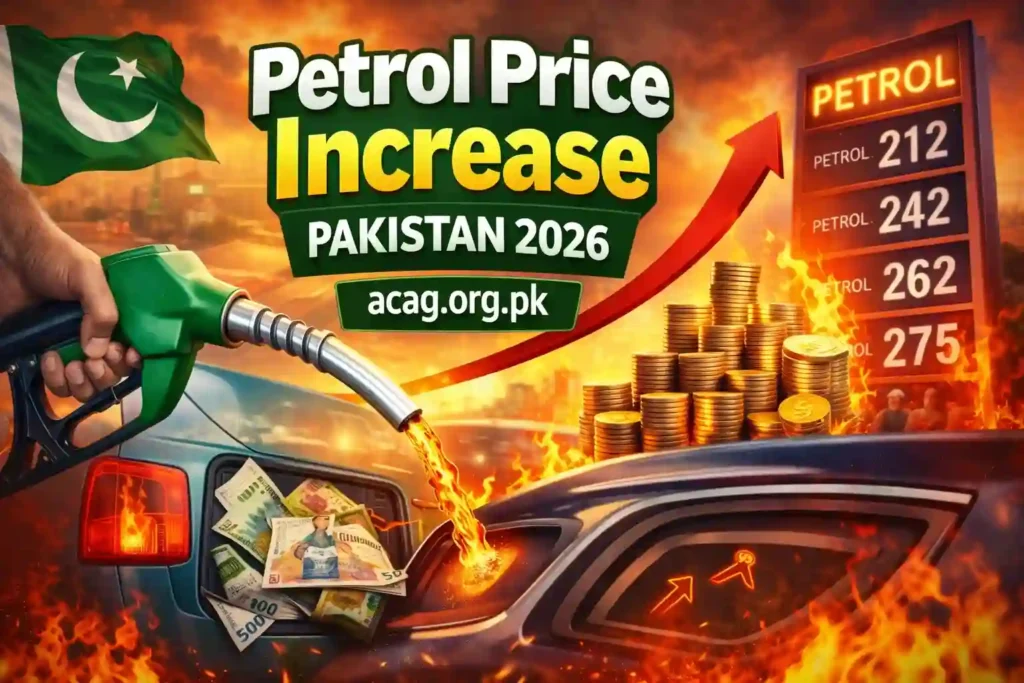
Current Petrol Rate in Pakistan 2026
As of 2026, the petrol rate in Pakistan stands at:
- Petrol Price: PKR 458.51 per liter
This price is among the highest in the country’s history. The increase has raised concerns among middle and lower-income groups, as fuel is directly linked to daily expenses such as commuting, food supply, and electricity generation.
Reasons Behind Petrol Price Increase Pakistan 2026
Global Oil Market Trends
One of the main reasons for the petrol price increase in Pakistan 2026 is the rise in international crude oil prices. Global conflicts, supply chain disruptions, and production cuts by oil-producing countries have pushed prices upward.
Currency Devaluation
The Pakistani Rupee has weakened against the US Dollar, making imports more expensive. Since petroleum products are imported in dollars, a weaker currency increases the cost of fuel in local markets.
Government Taxes and Levies
A significant portion of petrol price includes taxes, petroleum levy, and other charges imposed by the government. These taxes are often adjusted to meet fiscal targets, which contributes to higher fuel prices.
IMF Agreements and Economic Policies
Pakistan’s agreements with international financial institutions require subsidy reductions and tax reforms. As a result, fuel subsidies have been reduced, leading to higher prices for consumers.
Economic Impact of Petrol Price Increase Pakistan 2026
Inflation and Cost of Living
The most immediate effect of petrol price increase is inflation. As fuel becomes expensive, transportation costs rise, which increases the prices of goods and services. This leads to a higher cost of living for the general public.
Impact on Transportation Sector
Public transport fares have increased significantly. Ride-hailing services, buses, and rickshaws have all raised their charges. Daily commuters are spending more on travel, reducing their disposable income.
Effect on Agriculture
Agriculture in Pakistan depends heavily on fuel for tractors, water pumps, and transportation of crops. Higher petrol prices increase farming costs, which eventually raises food prices in the market.
Industrial Production Costs
Industries rely on fuel for production and logistics. Rising petrol prices increase manufacturing costs, which are then passed on to consumers. This reduces competitiveness and slows economic growth.
Impact on Common Citizens
Financial Pressure on Households
Middle-class and low-income families are the most affected by petrol price increase Pakistan 2026. Household budgets are under pressure as transportation and food expenses increase simultaneously.
Reduced Purchasing Power
As inflation rises, the purchasing power of citizens decreases. People are forced to cut down on non-essential spending, which affects overall economic activity.
Increase in Poverty Levels
Continuous increase in fuel prices can push more people below the poverty line. Those already struggling to meet basic needs face even greater challenges.

Business and Market Impact
Small Businesses Struggle
Small businesses face higher operational costs due to increased fuel prices. Delivery charges, raw material transportation, and electricity costs all rise, reducing profit margins.
Impact on E-commerce and Delivery Services
Online businesses and delivery services have increased their charges to cope with higher fuel costs. This affects customer demand and reduces sales volume.
Supply Chain Disruptions
Higher transportation costs lead to supply chain inefficiencies. Delays and increased expenses affect product availability and pricing in markets.

Government Response to Petrol Price Increase Pakistan 2026
Policy Adjustments
The government may revise petroleum levies or introduce targeted subsidies for specific sectors. However, fiscal constraints limit the ability to provide large-scale relief.
Public Transport Initiatives
To reduce dependency on private vehicles, the government may invest in public transport systems. Efficient transport can help reduce fuel consumption and costs.
Promotion of Alternative Energy
Encouraging the use of electric vehicles and renewable energy sources is a long-term solution. This can reduce reliance on imported fuel and stabilize energy costs.
Long-Term Solutions for Petrol Price Stability
Investment in Renewable Energy
Pakistan can reduce fuel dependency by investing in solar, wind, and hydropower energy. This will help stabilize energy costs in the long run.
Strengthening Local Currency
Improving exports and stabilizing the economy can strengthen the Pakistani Rupee. A stronger currency reduces import costs, including petroleum.
Energy Conservation Awareness
Public awareness campaigns can encourage people to reduce fuel consumption by using carpooling, public transport, and energy-efficient practices.
Future Outlook of Petrol Prices in Pakistan
The future of petrol price increase in Pakistan depends on several factors:
- Global oil market trends
- Political and economic stability
- Exchange rate performance
- Government fiscal policies
If global oil prices remain high and the currency continues to weaken, petrol prices may increase further. However, strategic reforms and economic stability can help control future price hikes.
Petrol Price Increase Pakistan 2026 Conclusion
The petrol price increase Pakistan 2026 is a major economic challenge affecting every sector of society. With petrol reaching PKR 458.51 per liter, the impact is visible in rising inflation, increased cost of living, and economic pressure on businesses.
Addressing this issue requires a combination of short-term relief measures and long-term strategies. Investment in alternative energy, economic reforms, and efficient policy implementation can help reduce the burden on citizens.
A balanced approach is essential to ensure economic stability while protecting the interests of the public.
FAQs – Petrol Price Increase Pakistan 2026
What is the current petrol price in Pakistan 2026?
The current petrol price in Pakistan is PKR 458.51 per liter.
Why are petrol prices increasing in Pakistan?
Petrol prices are increasing due to global oil price hikes, currency devaluation, government taxes, and economic policies.
How does petrol price increase affect inflation?
Higher petrol prices increase transportation and production costs, which leads to overall inflation and higher prices of goods.
Who is most affected by petrol price increase?
Middle-class and low-income households are most affected due to rising living expenses and reduced purchasing power.
What can the government do to control petrol prices?
The government can reduce taxes, promote alternative energy, improve public transport, and stabilize the economy.
Will petrol prices decrease in the future?
Petrol prices may decrease if global oil prices fall and the local currency strengthens. However, it depends on multiple economic factors.