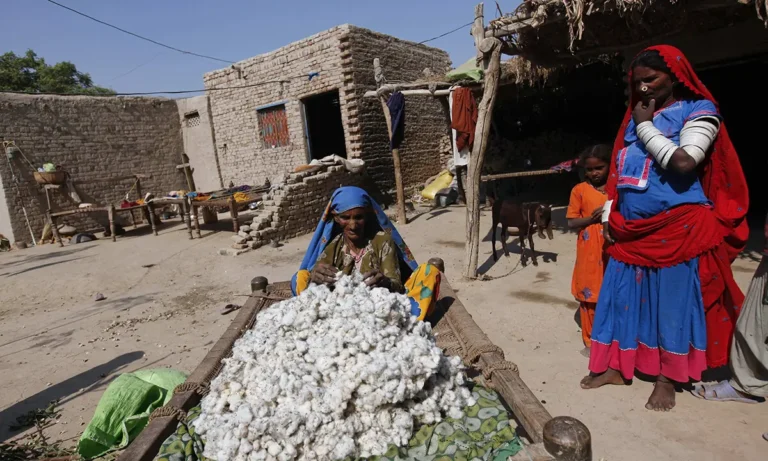
How Rural Families Can Apply for AZAG Housing and Secure Affordable Homes

How Rural Families Can Apply for AZAG Access to affordable housing remains one of the most pressing challenges for rural families in Punjab. For decades, families in villages and semi-urban areas have struggled to own homes due to financial constraints, lack of access to government schemes, and bureaucratic hurdles. Recognizing this gap, the Apni Zameen Apna Ghar (AZAG) Housing Program was launched as a transformative initiative to provide low-income and middle-income families with affordable housing options. This guide explains how rural families can apply for AZAG housing and the step-by-step process to secure their dream homes while ensuring transparency and efficiency.
Read More: Complete Guide to AZAG Program 2025
What Is the AZAG Housing Program?
AZAG, short for Apni Zameen Apna Ghar, is a government-backed housing initiative aimed at enabling families to own plots or construct homes on their land with government support. Unlike other housing programs that offer ready-made houses, AZAG primarily focuses on empowering individuals who already have land or wish to acquire land for self-construction. The program offers:
- Subsidized housing loans with low or zero interest rates.
- Financial assistance for purchasing plots in designated residential areas.
- Structured repayment plans to reduce financial burden.
- Transparent application and verification system to ensure fairness.
The initiative targets families who are often overlooked by private developers and banks, particularly those in rural regions, where access to affordable housing has historically been limited.
Read More: Apni Chhat Apna Ghar Eligibility Criteria 2025
Eligibility Criteria for Rural Families?
Before applying, it is crucial for families to determine if they meet the eligibility requirements. Key criteria include:
- CNIC Verification: Applicants must have a valid Computerized National Identity Card (CNIC).
- Income Limit: Priority is given to families whose monthly income falls below a government-defined threshold.
- Land Ownership Status: Applicants should either own land suitable for construction or be willing to purchase plots allocated through the AZAG scheme.
- Non-Ownership of Government Housing: Families already owning government-subsidized homes are generally ineligible.
- Residency: Preference is often given to residents of the province where the scheme is being implemented.
Meeting these criteria does not guarantee selection, but it ensures the application is processed without rejection due to ineligibility.
Read More: Complete Guide to AZAG Program 2025

Step-by-Step Process to Apply for AZAG Housing?
Applying for AZAG housing has been simplified to ensure rural families can participate without visiting urban offices. Here is the detailed process:
1. Gather Required Documents?
Before beginning the application, collect all necessary documents:
- CNIC of the applicant and family members.
- Proof of land ownership or land acquisition documents (if applicable).
- Proof of income (salary slips, bank statements, or local authority certificates).
- Domicile certificate proving residency in the relevant province.
- Photographs of the applicant and co-applicants.
2. Access the Official Portal?
AZAG applications are primarily submitted through the official government portal, which ensures security and transparency. Rural applicants without internet access can seek assistance at local government offices or union councils that provide digital application support.
3. Complete the Online Application Form?
Fill in the online form carefully. Key sections include:
- Personal information (name, CNIC, contact details)
- Family composition and dependents
- Land ownership details or plot preference
- Income and employment details
- Preferences for loan type or plot size
Ensure all information is accurate, as discrepancies may lead to rejection during verification.
4. Upload Documents?
Upload scanned copies or photographs of the required documents. Rural applicants can visit local facilitation centers for help with document scanning and uploading.
5. Submit and Receive Confirmation?
After completing the application and document uploads, submit the form. A confirmation number or application ID is provided. This ID is important for tracking the application status during verification and allotment.
Understanding the AZAG Verification Process?
Once applications are submitted, they undergo a multi-step verification process:
- PSER Verification: Provincial Social and Economic Records are checked to ensure applicants meet income criteria.
- NADRA Verification: CNICs and family records are cross-verified with NADRA databases.
- Land Assessment: Land ownership and suitability for construction are verified.
- Bank Assessment: Financial eligibility and repayment capacity for subsidized loans are reviewed.
Only applications that pass all verification stages are considered for allotment. Families may be asked to provide additional documents if discrepancies arise.

Key Tips for Rural Applicants?
To maximize the chances of approval:
- Keep all original documents ready for inspection if requested.
- Double-check application details before submission.
- Seek help from local facilitation centers for digital submission.
- Follow updates via SMS or portal notifications to stay informed.
- Be proactive with corrections if authorities flag any issues.
Benefits of AZAG for Rural Families?
The AZAG program provides numerous advantages, particularly for rural communities:
- Financial Relief: Families gain access to subsidized loans that make home construction affordable.
- Empowerment: Ownership of land or homes reduces dependence on landlords and informal settlements.
- Long-Term Security: Families secure permanent residence, ensuring generational stability.
- Transparency: The fully digital application process reduces corruption and favoritism.
- Community Development: By constructing homes in allocated areas, communities grow with proper infrastructure and amenities.
FAQs About AZAG Housing for Rural Families?
1. Can families without land apply?
Yes, but priority is generally given to those who already own land or are applying for government-allocated plots.
2. Is there a specific income limit?
Yes, the government sets monthly income thresholds to prioritize low- and middle-income families.
3. How long does the verification process take?
Verification may take several weeks, depending on document review and CNIC validation.
4. Can women apply as primary applicants?
Yes, women can apply as heads of households, which is encouraged in some provinces.
5. Are there any hidden fees?
No, the scheme is designed to be transparent; however, minor administrative charges may apply.
6. Can rural families get assistance for digital applications?
Yes, local union councils and government facilitation centers help with online submissions.
7. Is there a preferred plot size?
Plot size depends on availability and loan type; applicants can specify preferences during application.
8. Can applicants check their status online?
Yes, using the application ID or CNIC, applicants can track their progress on the official portal.
9. Are subsidized loans interest-free?
Most loans are either interest-free or carry minimal interest, as defined by the government.
10. What happens if an applicant’s documents are rejected?
Applicants are notified and given a chance to correct or resubmit documents within a specified timeframe.
Conclusion How Rural Families Can Apply for AZAG?
The AZAG Housing Program has opened a significant opportunity for rural families in Punjab to finally secure affordable, government-supported homes. By following the step-by-step application process, ensuring eligibility, and leveraging local support centers, families can navigate the system efficiently. Beyond providing shelter, the program empowers communities, promotes financial stability, and fosters a sense of dignity among families who previously faced housing insecurity.
For rural households dreaming of owning a home, AZAG is not just a housing scheme—it is a life-changing opportunity that turns aspirations into tangible reality.