Pakistan Insists on Written Guarantees from Taliban – FO Welcomes Ulema Council Declaration but Remains Cautious (2025 Update)
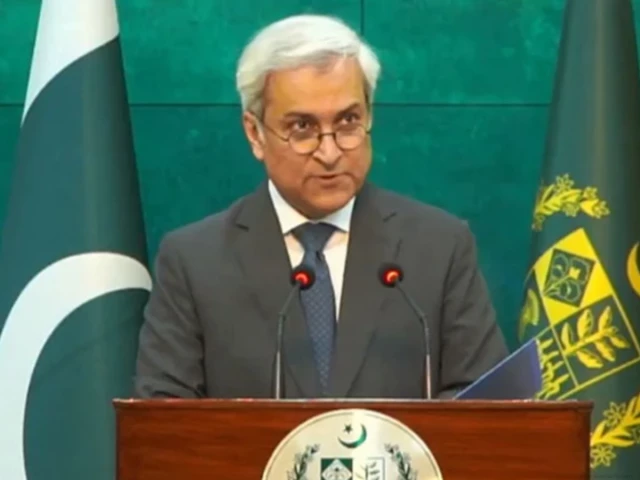
Pakistan has once again asked the Afghan Taliban government to provide clear written guarantees that Afghan soil will not be used for terrorism against Pakistan. This comes after more than 1,000 Afghan Ulema gathered in Kabul and issued a joint declaration condemning cross-border militancy. While Pakistan has welcomed this religious decree, it has also said that past promises were not fulfilled, which is why Islamabad now demands formal written assurances directly from the Taliban leadership.
This detailed article explains Pakistan’s latest position, the importance of the Afghan Ulema Council declaration, cross-border terrorism concerns, recent attacks inside Pakistan, and the ongoing tensions over humanitarian aid corridors. It also includes SEO keywords and FAQs to help readers understand the topic clearly.
1: Background: Why Pakistan Demands Written Guarantees from Afghan Taliban
For the last two years, Pakistan has repeatedly conveyed to the Afghan Taliban that militant groups like TTP, FAK, and FAH are operating from Afghan territory and attacking Pakistan. Many of these groups have historic ties with Afghan factions, which makes it difficult for Kabul to take decisive action.
Pakistan’s main issue is that:
- Commitments made verbally by the Taliban regime were not implemented.
- Militants continue to use Afghan safe havens to attack Pakistan.
- Islamabad believes only written guarantees approved by the Supreme Leader (Amir-ul-Momineen) can bring real change.
The Foreign Office spokesperson Tahir Hussain Andrabi stated clearly that Pakistan cannot rely on verbal assurances anymore.
Read More: Pakistan’s Internet Quality Declines: IT Sector Urges Immediate Upgrades for Digital Growth
2: Afghan Ulema Council Declaration – Why It Matters
In Kabul, more than 1,000 Afghan Ulema issued a five-point declaration that strongly condemned militant activities across borders. The statement declared that:
Anyone conducting military operations outside Afghanistan will be considered a rebel and will be punished.
Although Pakistan was not mentioned by name, the declaration clearly targeted groups like:
- TTP (Tehreek-e-Taliban Pakistan)
- FAK (Frontier Allied Killers)
- FAH
Pakistan welcomed this development, calling it a positive step, because it shows that segments of Afghan society finally realize the severity of cross-border terrorism.
However, Pakistan stressed that religious declarations are not enough unless backed by written commitments and strict enforcement on the ground.
Read Also: Big Relief for Pakistanis: UAE Plans New Visa Reforms After Talks With Minister Aurangzeb
3: Why Pakistan Is Still Cautious – FO’s “Wait, See, Evaluate” Approach
In his briefing, Tahir Andrabi said that Islamabad will:
- Wait for official Taliban approval
- See if the declaration is implemented
- Evaluate whether it results in real action against militants
Pakistan’s cautious tone is driven by:
3.1 Past Promises Not Fulfilled
The Afghan Taliban previously assured Pakistan that Afghan soil would not be used against any country. But attacks continued.
3.2 Increased Cross-Border Attacks
Pakistan has suffered several deadly attacks traced back to Afghanistan.
Examples include:
- November 11, 2025 attack in Islamabad
- November 24, 2025 attack on an FC camp in Peshawar
These incidents have created deep frustration within Pakistan’s security establishment.
3.3 Need for Written Assurance
Pakistan believes only a formal document, stamped and signed at the highest level, can ensure real accountability.
4: Humanitarian Aid Tensions – A New Source of Friction
Another issue highlighted by Pakistan is the unexpected resistance from Kabul regarding humanitarian aid. Pakistan recently cleared aid convoys for Afghanistan; however, the Taliban administration publicly rejected the aid and even threatened to block bilateral trade routes.
The Foreign Office called this response unprecedented, especially for a country facing:
- Severe hunger
- Food insecurity
- Economic crisis
- Humanitarian emergency
Pakistan clarified that:
“Whether the Afghan Taliban regime wishes to receive this humanitarian assistance or not is up to them.”
Despite tensions, Islamabad said it remains committed to helping the people of Afghanistan, not the authorities.
5. Pakistan’s Diplomatic Position – Consistency & Clarity
Pakistan maintains that:
- It wants peaceful, stable, and cooperative relations with Kabul.
- Afghan soil must not be used by militants against Pakistan.
- Written guarantees are necessary for long-term security.
- Humanitarian support will continue out of goodwill for Afghan citizens.
Diplomatic sources believe the Ulema Council declaration is a step in the right direction, but it will only matter if enforcement follows.
6. Why Islamabad Is Under Pressure to Act
Pakistan’s frustration has grown because:
- The TTP has reorganized itself inside Afghanistan.
- Afghan Taliban have not taken visible actions to dismantle militant hideouts.
- Pakistani security agencies have found direct links between recent attacks and Afghan-based militants.
As cross-border terrorism increases, pressure builds on Pakistan to take stronger measures:
- Border fencing
- Targeted responses
- Diplomatic escalation
- Economic pressure
- Regional alliances
The FO briefing hints that new steps may come soon if Afghanistan does not enforce the anti-terror declaration.
7. Reaction to US Concerns and F-16 Sustainment Package
The briefing also touched on two international issues:
7.1 US Concerns About Human Rights
Some US lawmakers expressed concerns regarding rights issues in Pakistan.
The FO spokesperson said Islamabad has:
- Open communication with US Congress
- Shared Pakistan’s stance through diplomatic channels
- Reiterated respect for constitutional and legal processes
7.2 US Approves $686 Million F-16 Sustainment Package
Pakistan welcomed the US notification for maintenance support of its F-16 fleet, calling it routine defense cooperation. The package will help:
- Strengthen Pakistan’s air defense
- Maintain fleet readiness
- Improve counter-terrorism capabilities
This indicates that despite political tensions, US-Pakistan defense cooperation remains steady.
8. What This Means for Pakistan–Afghanistan Relations
Pakistan’s message is clear:
- Terrorism originating from Afghanistan is unacceptable.
- Afghanistan must take real action, not just issue statements.
- Pakistan will continue humanitarian support but will not tolerate hostile behaviour.
- Written guarantees are essential for restoring trust.
If the Afghan Taliban enforce the Ulema Council declaration, ties may improve. But if cross-border attacks continue, relations could deteriorate sharply.
9. Key Takeaways for Readers
- Pakistan welcomed the Afghan Ulema’s anti-terror declaration but says written guarantees are necessary.
- Islamabad is frustrated due to increasing attacks traced back to Afghan territory.
- Aid tensions add to diplomatic strain.
- Pakistan still supports Afghan citizens but expects responsibility from the Taliban.
- US-Pakistan defense cooperation remains active through the F-16 sustainment package.
10. FAQs – Pakistan’s Demand for Written Guarantees from Taliban
1. Why is Pakistan asking for written guarantees from the Taliban?
Because past verbal commitments were not implemented, and attacks from Afghan-based militants continued despite assurances.
2. What does the Afghan Ulema Council declaration say?
It states that any group carrying out attacks outside Afghanistan will be considered rebels and punished.
3. Why is Pakistan cautious despite welcoming the declaration?
Islamabad wants to see real actions against groups like TTP, not just statements.
4. What caused new tensions over humanitarian aid?
Afghan Taliban rejected Pakistan’s aid convoys and threatened to block bilateral trade, which Pakistan called unprecedented.
5. How does the US F-16 sustainment package relate to the situation?
It strengthens Pakistan’s security and counter-terrorism capabilities amid rising cross-border threats.