Transport Standstill in Rawalpindi: Unions Protest Against Heavy Fines and Vehicle Impoundment
Overview of Rawalpindi Transport Strike
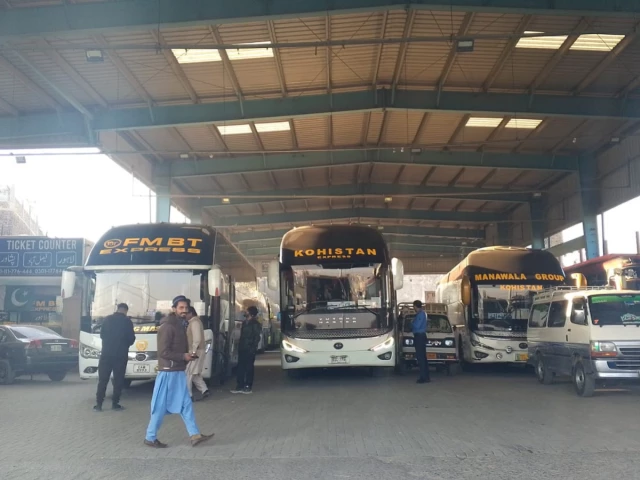
Rawalpindi is facing a major transport standstill as all public and goods transport services have been suspended due to a strike by transport unions. The protest is a reaction to heavy fines and the registration of cases against transporters under the Motor Vehicle (Amendment) Ordinance 2025. Passengers arriving at bus stands have been left stranded, causing significant inconvenience and frustration.
This strike is organized by the United Transport Federation, Suzuki Union, and other public and goods transport organizations, who are demanding the government review fines ranging from Rs15,000 to Rs50,000 and halt vehicle impoundment.
Reasons Behind the Transport Strike
The strike stems from the recent amendments to the Motor Vehicle Ordinance 1965, enforced by the Punjab government under the Transport Ordinance 2025. Transporters argue that these rules are unjust, excessive, and financially burdensome, particularly for small operators and drivers earning modest incomes.
Key concerns include:
- Excessive fines on vehicles, motorcycles, and buses.
- Harassment of transport operators with legal cases.
- Vehicle impoundment without proper notice.
- Delay in government payments for services already provided, such as transporting people from Afghanistan at agreed rates.
Transport leaders claim these measures are not only affecting transporters but also creating hardships for ordinary citizens who rely on daily commuting.
Read More: Pakistan’s Internet Quality Declines: IT Sector Urges Immediate Upgrades for Digital Growth
Impact on Public Transport and Commuters
The strike has caused a complete halt of transport services across Rawalpindi, including:
- General Bus Stand Pirwadhai
- 44 small and large transport terminals in the district
- Three goods transport terminals
Commuters are stranded at major pick-up points, including Peshawar Road, IJP Road, and Chakri Road. On Chakri Road, the Suzuki Union has forcibly stopped pick-and-drop vans, further increasing public distress.
Passengers report confusion, delays, and frustration as no alternative transport is available. Many people who rely on buses for work, education, and travel are facing severe disruptions.
Statements from Transport Leaders
Raja Khaqan Jameel, President of the Transport Welfare Owners Association, said the strike was “fully successful” and will continue until their demands are met. He criticized fines of Rs15,000, Rs20,000, and Rs50,000 as “unjust,” stating that no transporter will operate vehicles until the government addresses these issues.
Other leaders, including Asif Khan, Vice President of the Transport Federation, and Muhammad Irfan Niazi, Chairperson of the United Transport Association, emphasized that:
- The government is squeezing the transport sector unfairly.
- Employees earning Rs25,000 are being publicly humiliated by fines worth millions.
- Until the common man is safe, transporters cannot continue their services.
Transport unions have warned that if their demands are not addressed, a second wheel-jam strike could occur at the national level, potentially halting transport operations across Khyber to Karachi.
Read Also: Big Relief for Pakistanis: UAE Plans New Visa Reforms After Talks With Minister Aurangzeb
Partial Restoration and Negotiations
Some inter-city transport services have been partially restored on Peshawar Road and IJP Road towards Islamabad. Talks between transport leaders and government officials were held in Lahore but ended without progress. A second round of negotiations was scheduled for 2 PM the following day.
Despite partial operations, the strike remains largely effective, with most routes shut down and passengers continuing to face travel difficulties.
Government Perspective
The Punjab traffic police authorities defended the amended ordinance, claiming the revised penalties are designed to enforce long-ignored traffic laws, not to burden citizens. They argue that fines and impoundments are necessary to ensure road safety and regulate public transport effectively.
However, transport leaders counter that the fines are disproportionate and target low-income transporters unfairly. They have called for dialogue to adjust penalties, prevent harassment, and ensure fair treatment.
Key Locations Affected by the Strike
The strike has impacted major transport hubs, including:
- Pirwadhai General Bus Stand – No vehicles departed during the strike.
- Chakri Road – Suzuki Union forcibly stopped public transport vehicles.
- IJP Road and Peshawar Road – Partial transport services restored.
- Goods terminals – Three major goods transport terminals remained closed.
Economic and Social Impact
The strike is not only a transport issue but also an economic and social concern. Key effects include:
- Disruption in daily commuting for workers and students.
- Delay in goods transport, affecting businesses and supply chains.
- Increased financial pressure on transport operators due to fines and halted operations.
- Public frustration and potential tension at bus terminals.
Transport unions argue that continued enforcement of heavy fines without compromise will lead to long-term disruptions across Punjab and other provinces.
Demands of Transport Unions
The unions have listed several key demands:
- Reduction of heavy fines (Rs15,000 – Rs50,000) imposed under the amended ordinance.
- Halt to vehicle impoundment without proper legal process.
- Payment from the government for previously provided transport services.
- Fair treatment for transport employees and operators.
- Dialogue to revise the Transport Ordinance 2025 in line with the livelihood of transporters.
Public Response
Commuters and citizens have expressed mixed reactions:
- Some sympathize with transporters, understanding the financial pressures they face.
- Others are frustrated due to disruption, particularly in areas without alternate transport.
- Daily wage workers and students are most affected, struggling to reach workplaces and schools on time.
Possible Solutions and Government Action
Experts suggest that resolving this crisis requires:
- Immediate negotiations between transport unions and government authorities.
- Review of fines and penalties, making them proportional to income levels.
- Transparent communication about traffic laws and amendments to the ordinance.
- Temporary relief measures for small transport operators and drivers.
Failure to resolve the issue may lead to prolonged wheel-jam strikes, potentially affecting inter-city and inter-provincial transport across Pakistan.
Conclusion
The Rawalpindi transport strike highlights a growing tension between government authorities and transport operators over fines, vehicle impoundment, and enforcement of the Motor Vehicle Ordinance 2025. With passengers stranded and transport operations at a standstill, the situation underscores the urgent need for dialogue and compromise.
Transport unions remain firm, warning that unless their demands are met, the strike could expand nationwide, affecting millions of commuters. Meanwhile, the Punjab government insists the amended rules are necessary to enforce traffic laws and improve road safety.
As the negotiations continue, commuters, businesses, and transport operators are left watching closely, hoping for a resolution that balances law enforcement with fair treatment and public convenience.
Frequently Asked Questions (FAQs) About Rawalpindi Transport Strike 2025
Q1: Why are transport unions protesting in Rawalpindi?
Transport unions in Rawalpindi are protesting against heavy fines, vehicle impoundment, and strict penalties under the Motor Vehicle (Amendment) Ordinance 2025. They claim the fines are excessive and unfair for drivers and small transport operators.
Q2: Which areas are affected by the Rawalpindi transport strike?
The strike has affected major bus terminals and roads, including Pirwadhai General Bus Stand, Chakri Road, Peshawar Road, IJP Road, and several goods transport terminals. Commuters are facing delays and disruption of services.
Q3: When did the transport strike in Rawalpindi start?
The strike began in early December 2025, with all public and goods transport services suspended until the government addresses the demands of the transport unions.
Q4: What are the demands of transport unions in Rawalpindi?
The main demands include reduction of heavy fines (Rs15,000–Rs50,000), halt of vehicle impoundment, timely government payments for services, and fair treatment of transport employees.
Q5: Will the Rawalpindi transport strike affect other cities in Pakistan?
Yes, transport leaders have warned that if their demands are not met, a second wheel-jam strike could occur nationwide, potentially affecting inter-city transport from Khyber to Karachi.