Govt to Transfer LNG Cargo Losses from State to Consumers – Full Detailed Report
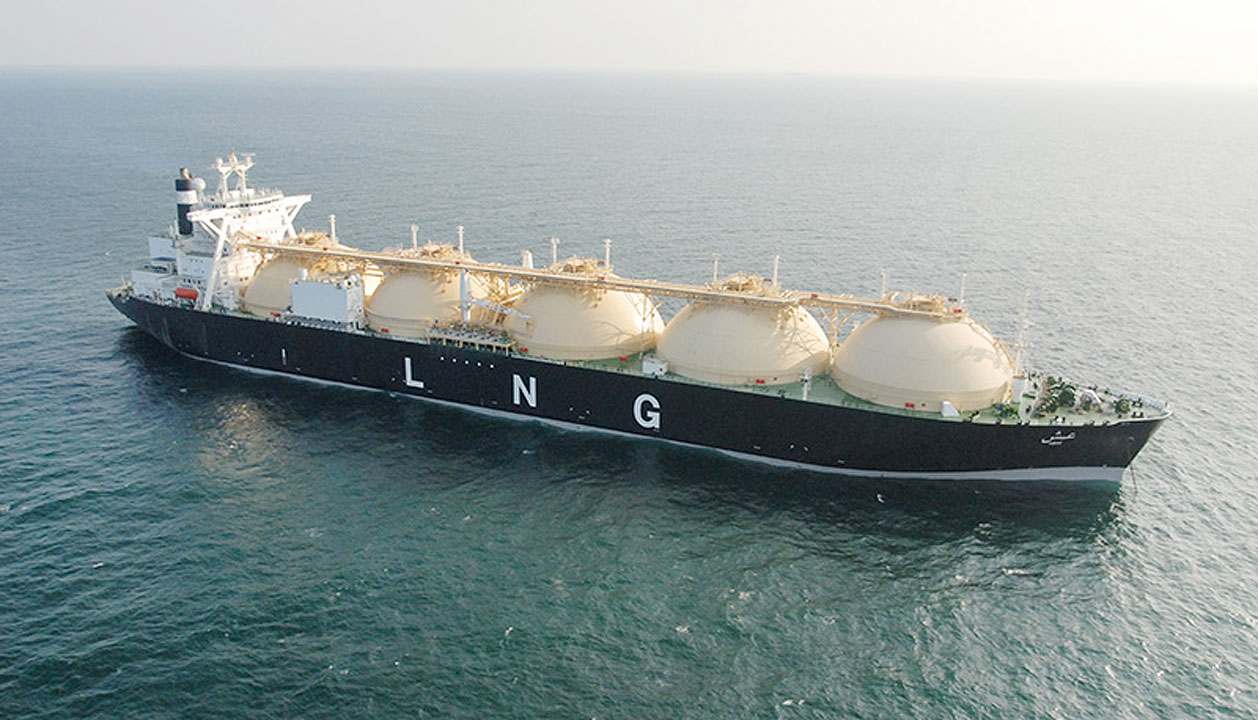
Pakistan’s energy sector is set for a major shift as the government has decided to transfer LNG diversion-related losses from the state to consumers. This means that instead of the government or Pakistan State Oil (PSO) absorbing the losses, the RLNG users will now pay the financial burden.
This policy change is expected to increase gas prices for power plants, export industries, and new domestic RLNG consumers. Many experts are calling it one of the most impactful price-shifting measures in recent years.
This article explains the entire issue in simple words — LNG diversion, Net Proceed Differential (NPD), why the government is changing policy, expected price hike, impact on industries, impact on households, OGRA projections, and future risks.
What Is LNG Diversion and Why It Matters?
Pakistan has long-term LNG supply contracts with QatarGas, where fixed cargoes arrive every month. Sometimes, due to domestic demand changes or global price fluctuations, Qatar diverts these cargoes to other countries at higher or lower prices.
This practice is covered under the Net Proceed Differential (NPD) clause, which works like this:
- If Qatar diverts LNG to another country at a higher price, Qatar keeps the extra profit.
- If the diverted shipment earns a lower price, the loss is normally borne by PSO or the Government of Pakistan.
Now, the government wants to shift these losses to RLNG consumers.
Government’s New Policy: Losses Will Be Charged to Consumers
According to officials in Islamabad, the government has agreed in principle that:
✔ Any loss from LNG diversion in 2026 will be recovered from RLNG consumers, including:
- RLNG-based power plants
- Export-oriented factories
- Captive power plants
- Domestic users who receive RLNG instead of natural gas
✔ The state will not subsidize these losses.
✔ PSO will also be protected from financial exposure.
✔ Consumers may see higher monthly gas bills.
This policy will apply to 24 to 29 LNG cargoes that are expected to be diverted in 2026.
Qatar will confirm the final number of cargoes by 30 November.
Read Also:Pakistan Gold Rate 26 November 2025 – Updated 24K Tola, Gram & Ounce Prices
Why Is the LNG Diversion Decision Being Made?
Pakistan is requesting cargo diversions because:
- It can save an estimated $339.6 million in foreign exchange.
- Pakistan wants flexibility to deal with seasonal demand.
- Qatar’s market pricing may create opportunities for savings if the diverted cargo earns more internationally.
- Pakistan aims to optimize LNG supply during periods of low domestic demand.
However, the big concern is the possibility of losses, especially when global LNG prices fall.
OGRA’s Earlier Projection — Rs. 48 Billion Positive Impact
The Oil and Gas Regulatory Authority (OGRA) previously estimated that Pakistan could gain:
👉 Rs. 48 billion in savings due to LNG diversions.
But this projection did not fully consider the loss transfer that will now fall on consumers.
OGRA also clarified that:
- Domestic gas users will continue paying Rs. 1,000 per MMBTU until 30 June 2025.
- RLNG price is nearly Rs. 3,500 per MMBTU.
- The new burden applies mainly to RLNG consumers, not local gas users.
This difference highlights the imbalance between legacy domestic users and new RLNG-based customers, especially in Punjab.
Impact on RLNG-Based Power Plants
Pakistan’s RLNG-based power plants produce a major share of electricity. If RLNG costs rise due to loss transfer:
Expected Impact
- Fuel cost adjustment (FCA) charges will increase.
- Electricity tariffs will rise.
- Circular debt may grow if the government delays passing on the cost.
- Load-shedding risk may increase if power producers reduce operations.
Experts warn that this could affect the entire power generation ecosystem.
Impact on Export-Oriented Industries
Industries relying on RLNG include:
- Textile
- Leather
- Sports goods
- Engineering goods
- Pharma
- Chemical & fertilizer industries
Key Concerns for Exporters
- Higher RLNG rates will increase production costs.
- Pakistan may lose competitiveness to Bangladesh, India, and Vietnam.
- Export orders may decline due to higher input prices.
- Industries may demand subsidized RLNG, creating new pressure on the government.
The All Pakistan Textile Mills Association (APTMA) has repeatedly warned that higher energy tariffs directly damage Pakistan’s exports.
Read Also:Gold Rates in Pakistan Today – 26 November 2025 (Per Tola & Per Gram Latest Update)
Impact on New Domestic RLNG Consumers
Many new housing societies and urban households receive RLNG instead of indigenous gas.
For these consumers:
Possible Effects
- Monthly gas bills may significantly increase.
- Winter heating charges may rise sharply.
- RLNG-linked tariff may exceed Rs. 3,500 per MMBTU.
- Middle-income families will face additional financial pressure.
This move widens the gap between old domestic users and new consumers, deepening inequality.
Why Is the Government Taking This Step?
1. Fiscal Pressure
Pakistan is facing:
- High circular debt in gas sector (over Rs. 1.7 trillion)
- IMF pressure to eliminate subsidies
- Revenue shortfalls at SNGPL & SSGC
Transferring losses reduces the government’s financial burden.
2. IMF-Driven Energy Reforms
The IMF has asked Pakistan to:
- Stop absorbing LNG import losses
- Adjust tariffs quarterly
- Make RLNG pricing transparent and market-based
This decision aligns with IMF conditionalities.
3. Protecting PSO
PSO is already facing:
- Rupee depreciation losses
- Late payments
- Circular debt pressure
If PSO absorbs LNG losses, it may require government bailouts again.
Will Gas Prices Increase for Everyone?
No.
Only RLNG users will face higher rates.
Domestic natural gas users under protected slabs will continue paying:
✔ Rs. 1,000 per MMBTU until June 2025
However:
❗ New housing schemes
❗ Commercial consumers
❗ Industrial consumers
❗ Power plants
❗ Captive power units
All will see higher RLNG bills.
How Much Price Increase Is Expected?
Final numbers will depend on:
- Global LNG prices in 2026
- Number of cargoes diverted
- International market clearing prices
- OGRA’s RLNG monthly revision
Experts estimate a 5% to 15% increase in RLNG prices due to this policy shift.
Potential Benefits for Pakistan
Despite the risks, the government believes:
- Pakistan may save $339.6 million in foreign exchange.
- Diversions may provide operational flexibility.
- Local gas supply gap may be reduced.
- The state will avoid financial loss.
If Qatar-approved diversions yield higher market value, Pakistan benefits indirectly by avoiding procurement at higher rates.
Major Risks of Shifting Losses to Consumers
1. Economic Burden
Industries may struggle due to higher energy costs.
2. Increase in Inflation
Electricity and industrial goods may become more expensive.
3. Closure of Small Factories
Energy-intensive small businesses may not survive higher RLNG bills.
4. Loss of Export Orders
High production costs reduce Pakistan’s global competitiveness.
5. Public Backlash
Domestic consumers already facing inflation may oppose further hikes.
Will This Policy Help or Harm Pakistan?
The policy has potential benefits but also significant risks.
Pros
- Reduces government fiscal burden
- Protects PSO from losses
- Aligns with IMF reforms
- Saves foreign exchange
Cons
- Raises energy costs
- Increases inflation
- Hurts exports
- Burdens industries and households
- Raises electricity costs
Pakistan will need to balance fiscal responsibility with consumer protection.
Conclusion
Pakistan’s decision to shift LNG cargo loss burden from the government to consumers marks a major policy transformation. While it may protect state finances and align with IMF-driven reforms, the economic pressure on industries and households will increase.
With RLNG prices expected to rise, electricity generation, industrial production, and domestic energy budgets will all be affected. The government must ensure transparent pricing, targeted relief for exporters, and a long-term energy strategy to avoid economic shocks.
As Pakistan awaits Qatar’s final approval on diverted cargoes, the coming months will decide whether the policy becomes a net benefit or a burden for the nation.
FAQs (One-Line Answers)
Q1: What is LNG diversion?
Sending LNG cargo to another country instead of Pakistan based on global price opportunities.
Q2: Who will pay for LNG diversion losses now?
All RLNG consumers including industries, power plants, and new domestic users.
Q3: Will domestic natural gas users face higher bills?
No, they will continue paying Rs. 1,000 per MMBTU until June 2025.
Q4: How many LNG cargoes will be diverted in 2026?
Between 24 and 29 cargoes, subject to Qatar’s confirmation.
Q5: What is the expected impact on electricity prices?
Fuel cost adjustment may increase due to higher RLNG prices.