KTBA Urges FBR to Fix IRIS Block on Wealth Statements – Full 2025 Update
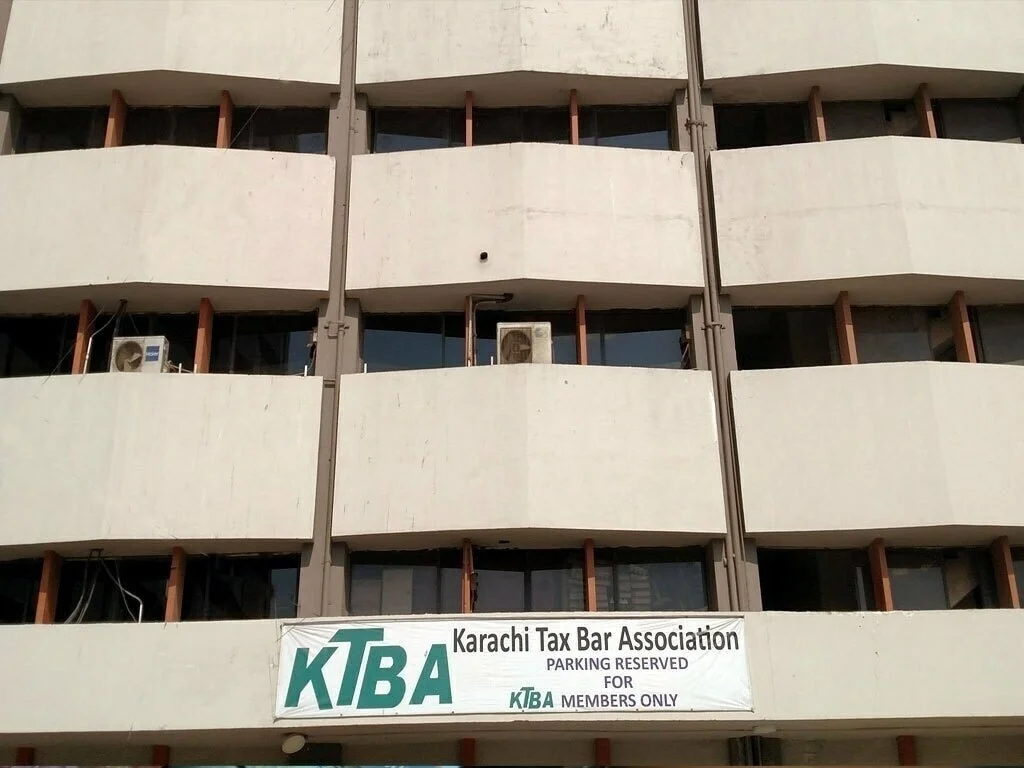
The Karachi Tax Bar Association (KTBA) has once again raised an important issue affecting thousands of taxpayers across Pakistan. The association has urged the Federal Board of Revenue (FBR) to remove unnecessary restrictions in the IRIS system that prevent people from revising their wealth statements, even when their tax proceedings have been closed without any amendments.
This problem has caused confusion, legal complications, and delays for taxpayers who simply want to correct genuine mistakes or omissions in their wealth data. In this detailed article, we explain the issue, the legal background, KTBA’s concerns, taxpayer challenges, and how fixing IRIS can benefit the entire tax system of Pakistan.
What Is the Main Issue? A Simple Overview
The IRIS portal currently blocks taxpayers from submitting a revised wealth statement, even when:
- The notice under Section 122(9) has been withdrawn, or
- The proceedings have ended with no amendment order, or
- The taxpayer has no active proceedings.
However, under Section 116(3) of the Income Tax Ordinance 2001, taxpayers have the legal right to revise their wealth statements before a notice is issued under Section 122(9). When the proceedings are closed or notices are withdrawn, no legal barrier remains — but IRIS still keeps the block.
This mismatch between the law and the digital system is the core problem that KTBA wants FBR to fix.
Check Also: CM Honhaar Scholarship Phase 2 2025 Apply Online & Check Eligibility
Background: How Wealth Statements and IRIS Work
What Is a Wealth Statement?
A wealth statement provides details about a person’s:
- Assets
- Liabilities
- Expenses
- Sources of income
- Net worth changes over time
Submitting an accurate wealth statement is a legal requirement for many taxpayers in Pakistan.
Why Do People Need to Revise Wealth Statements?
Common reasons include:
- Forgetting to add an asset
- Minor calculation errors
- Updating liabilities
- Rectifying data after bank reconciliations
- Correcting omissions before the FBR points them out
The law permits revisions because mistakes happen, and taxpayers should be allowed to fix them without punishment.
Check Also: CM Honhaar Scholarship Phase 2 2025 Apply Online & Check Eligibility
KTBA’s Concerns: What the Association Highlighted to FBR
KTBA’s letter to the FBR chairman explains several important issues:
1. IRIS Restrictions Do Not Match the Law
Under Section 116(3), a taxpayer can revise a wealth statement before receiving a valid notice.
If the notice is withdrawn or the case is closed with no amendments, it is treated as if the notice did not exist.
Therefore, the taxpayer should be free to revise the statement.
But IRIS continues to treat withdrawn notices the same as active notices, blocking revisions.
2. Taxpayers Face Unnecessary Hardship
Many people cannot update simple mistakes in their wealth statements, even when:
- Their case has been cleared
- No amendment has been passed
- There is no ongoing investigation
- They need to update financial records for future filings
This leads to:
- Stress
- Wasted time
- Confusion during filing
- Non-compliance concerns
- Errors rolling into future tax years
3. The Block Causes Fear Among Compliant Taxpayers
Ironically, those who want to correct errors voluntarily are unable to do so. Instead of encouraging compliance, the system punishes honesty.
KTBA emphasizes that tax compliance improves when systems are flexible, user-friendly, and aligned with the law.
4. Withdrawn Notices Should Not Create a System Block
A key point in KTBA’s letter:
“Treating withdrawn or closed cases the same as those without operative notices would reflect the true intent of the law.”
Withdrawn notices = No legal action in force
Closed without amendment = No valid proceeding
Under these circumstances, IRIS should allow revisions.
Read More: ACAG Registration Common Problems and Easy Solutions 2025
Legal Framework Explained in Simple English
To understand the issue better, let’s break down the relevant laws.
Section 116(3) – Revision of Wealth Statement
This section allows a taxpayer to:
- Revise their wealth statement
- Fix omissions or mistakes
- File a corrected form
Before any notice is issued under Section 122(9).
If no notice exists, or the notice has been withdrawn, the taxpayer is still legally allowed to revise.
Section 122(9) – Notice for Amendment
This notice is issued when FBR believes there is:
- A mistake
- Under-reporting
- Incorrect data
- Any discrepancy in tax filing
But if:
- The notice is withdrawn
- Proceedings end without amendment
—then it’s considered inactive or invalid.
Therefore, IRIS should not treat these cases as “blocked.”
Why the IRIS Block Happened: System vs. Law
The IRIS system was designed with strict barriers to prevent misuse. However, the system does not differentiate between:
- Active 122(9) notices
- Withdrawn notices
- Closed proceedings
- Cases without any notice
Because the system cannot detect whether the notice has been withdrawn or proceedings have ended without amendment, it permanently blocks the revision option.
This is a technical flaw, not a legal requirement.
Impact on Taxpayers Across Pakistan
The IRIS block has affected:
1. Salaried Individuals
People who want to revise expenses or liabilities often face blockages, even when no proceedings are open.
2. Business Owners
Minor corrections in assets, stock, or liabilities cannot be updated.
3. New Filers
Those learning the system are unable to fix mistakes, resulting in compliance issues.
4. Tax Consultants
Professionals face delays while trying to help clients correct genuine errors.
5. People Clearing Past Notices
Even after resolving a notice, they still cannot revise wealth statements.
Why Fixing IRIS Is Important
KTBA believes reforming the system will bring major advantages:
1. Better Compliance
People become more confident in filing taxes when the system is flexible.
2. Fewer Legal Disputes
Most disputes arise from minor clerical errors. If revisions are allowed, disputes drop.
3. Improved Data Accuracy
Updated and corrected wealth statements help FBR maintain accurate tax records.
4. Increased Trust in FBR
A responsive system builds confidence in taxpayers.
5. More Revenue for the Government
Easier compliance = more filers = more tax revenue.
What KTBA Wants FBR to Do
The KTBA has suggested a clear and simple solution:
✔ Reconfigure the IRIS Portal
- Allow revisions in all cases where Section 122(9) notice is not active.
- Treat withdrawn or closed cases the same as cases with no notice.
- Enable a system update that automatically identifies and unblocks such cases.
✔ Provide Clarity and Guidelines
Publish instructions explaining when a taxpayer can revise a wealth statement.
✔ Improve Technical Workflow
Ensure that IRIS reflects real-time status of notices.
✔ Reduce Unnecessary Restrictions
Allow honest taxpayers to correct mistakes without fear.
Benefits for FBR After System Fix
While taxpayers will benefit, FBR also gains:
- Fewer complaints and legal applications
- Smoother workflow for system operators
- Better audited records
- Stronger public reputation
- Increased voluntary tax compliance
Conclusion
The KTBA’s request is timely and essential. The current IRIS block on revising wealth statements does not reflect Pakistan’s tax laws and is creating difficulties for countless taxpayers.
By updating the IRIS system to allow revisions when no valid proceedings exist, the FBR can significantly improve trust, compliance, and transparency. KTBA’s recommendations aim to make the filing process smoother, simpler, and more aligned with legal intent.
Fixing this issue is not just a technical update — it is a step toward a more fair, efficient, and taxpayer-friendly tax administration system in Pakistan.
KTBA–FBR IRIS Wealth Statement Issue: FAQs
1. Why does IRIS block revised wealth statements?
Because the system does not differentiate between active and withdrawn notices under Section 122(9).
2. Can I revise a wealth statement after the notice is withdrawn?
Legally, yes — but the IRIS system currently blocks it.
3. What does KTBA want FBR to change?
KTBA wants IRIS to allow revisions in all cases where no valid notice exists.
4. What law allows the revision of wealth statements?
Section 116(3) of the Income Tax Ordinance 2001.
5. How will system reform help taxpayers?
It will reduce confusion, allow corrections, improve compliance, and reduce disputes.