PM Economic Panel Calls for Rupee Realignment to Stabilize Market
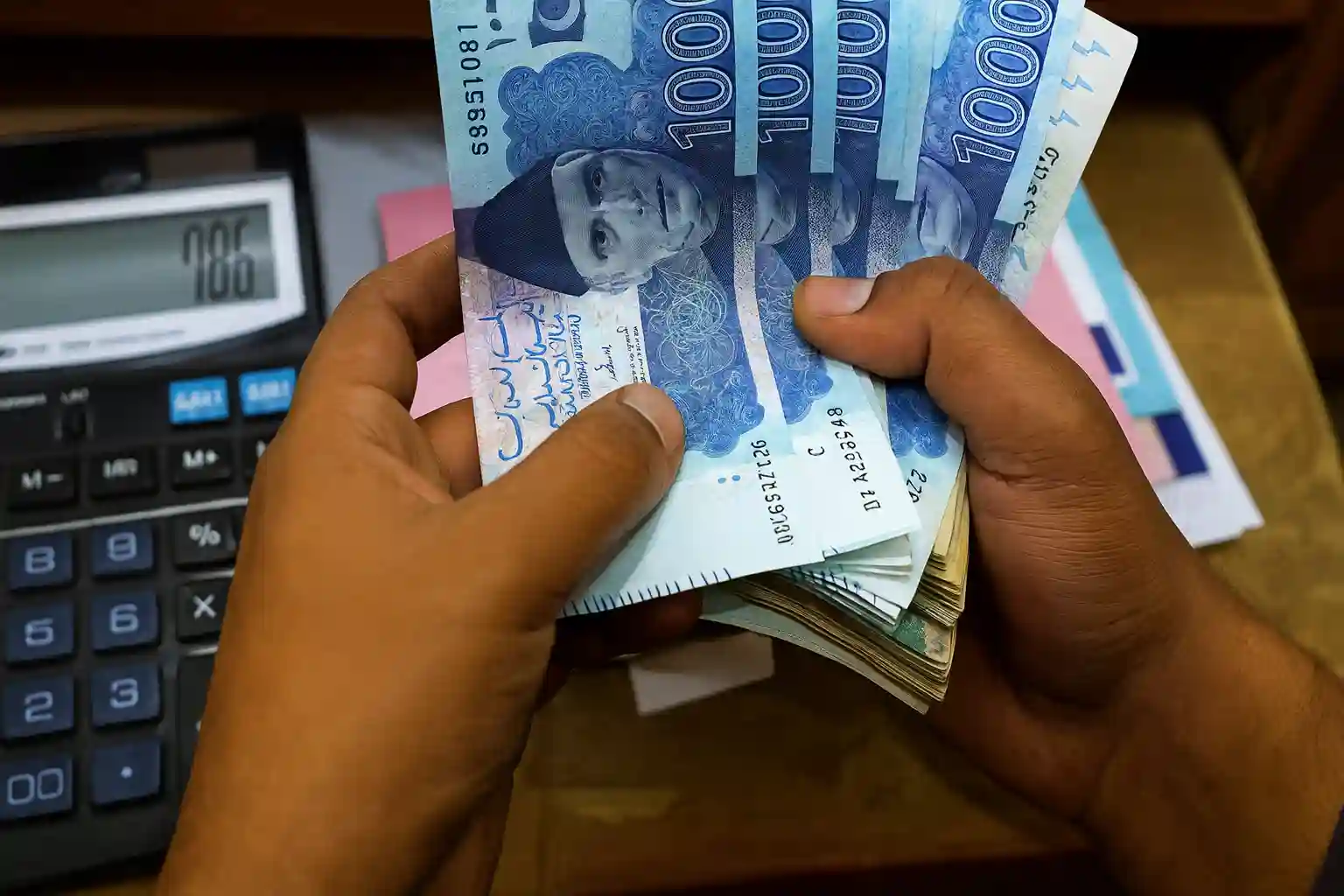
PM Economic Panel Calls for Rupee Realignment has recommended a strategic rupee realignment to stabilize the currency market, control inflation, and restore investor confidence. The move aims to bring the exchange rate closer to its real market value while supporting exports, improving dollar availability, and ensuring long-term economic stability.
1. Why the PM Economic Panel is Calling for Rupee Realignment
The recommendation for a rupee realignment comes after analysing multiple economic indicators showing persistent imbalances. The key reasons are:
1.1 Rising Inflation Due to Market Misalignment
Pakistan has been experiencing continuous inflationary pressure due to global oil prices, food supply shocks, and exchange rate instability. When the rupee becomes artificially strong or artificially weak, it creates distortions that affect prices.
1.2 Dollar Shortages and Import Pressure
The panel noted that Pakistan’s foreign exchange reserves are not strong enough to support a fully free-market exchange system. A balanced realignment can:
- Reduce pressure on the State Bank
- Improve dollar availability
- Support essential imports
1.3 Export Competitiveness Declining
A misaligned currency hurts exporters, especially in:
- Textiles
- IT services
- Leather
- Surgical instruments
- Agriculture-based industries
A fair market value for the rupee will boost export orders and improve foreign earnings.
1.4 IMF Performance Review Requirements
The IMF has repeatedly emphasized the need for market-based currency mechanisms. A planned realignment signals compliance and ensures smooth loan disbursements.

2. What Does Rupee Realignment Mean?
“Rupee Realignment” refers to adjusting the exchange rate to match its actual market value. This includes:
- Removing artificial controls
- Reducing multiple exchange rates
- Allowing gradual adjustments
- Strengthening administrative oversight
This does not mean open devaluation—it means alignment with true economic fundamentals.
Read Also: Pakistan Gold Rate 22 November 2025 – Updated 24K Tola, Gram & Ounce Prices

3. How the Realignment Will Stabilize Pakistan’s Market
The Economic Panel highlighted several mechanisms through which market stability will be achieved:
3.1 Improved Investor Confidence
Investors prefer predictable currency movement. A realignment removes speculation and brings clarity for:
- Importers
- Exporters
- Multinational companies
- Overseas Pakistanis sending remittances
3.2 Controlled Inflation Through Policy Coordination
The government will combine currency adjustments with:
- Monetary tightening
- Fiscal discipline
- Targeted subsidies for essential goods
This way, inflation is prevented from spiraling.
3.3 Strengthening Remittances
A properly aligned rupee encourages overseas Pakistanis to send money through official channels.
3.4 Boost for Pakistan’s Export Sectors
Exports increase whenever:
- Currency is market-aligned
- Production becomes cost-competitive
- Exporters receive timely rebates
The textile industry especially benefits.
Read More: Breaking News: Punjab Extends STI Jobs 2025 Apply Date

4. Government’s Strategy to Implement Rupee Realignment
The PM Economic Panel has recommended a 5-step strategy:
4.1 Market-Based Exchange Rate
Pakistan will gradually shift towards a free-floating currency, but with monitoring to prevent speculative attacks.
4.2 Strengthening SBP’s Role
The State Bank of Pakistan will:
- Monitor forex traders
- Prevent manipulation
- Ensure transparency
- Build foreign exchange reserves
4.3 Reducing Import Dependency
The government plans to reduce reliance on imported goods by promoting:
- Local agriculture
- Local manufacturing
- Renewable energy
- IT and freelancing exports
4.4 Enhancing Dollar Inflows
Dollar inflows will be increased through:
- IT exports
- Remittances
- Foreign Direct Investment (FDI)
- IMF and World Bank support
- Global market access for Pakistani products
4.5 Staggered Realignment to Avoid Shock
The rupee will be realigned in phases to prevent:
- Sudden price jumps
- Panic in markets
- Import breakdowns

5. Short-Term Effects of the Rupee Realignment
Businesses and consumers will experience certain short-term impacts:
5.1 Slight Rise in Commodity Prices
Items dependent on imports may become slightly costly such as:
- Electronics
- Automobiles
- Medicines
- Edible oil
5.2 Improved Dollar Availability
Banks will have fewer restrictions, helping businesses secure:
- Import letters
- Machinery
- Industrial supplies
5.3 Temporary Market Volatility
As markets adjust to new rates, some volatility is expected.
6. Long-Term Benefits for Pakistan’s Economy
6.1 Stronger Export Growth
A competitive rupee boosts Pakistan’s export earnings.
6.2 Lower Trade Deficit
With fewer luxury imports and higher exports, the trade deficit decreases.
6.3 Foreign Investment Attraction
Investors prefer countries with:
- Predictable exchange rates
- Documented economy
- Transparent currency mechanisms
6.4 Stability in Capital Markets
Stock markets stabilize when inflation, dollar flows, and policies align.
7. How Rupee Realignment Helps Ordinary Pakistani Citizens
The government aims to protect common citizens by:
- Reducing inflation through targeted subsidies
- Ensuring essential imports remain affordable
- Supporting jobs through export-led growth
- Keeping energy prices stable with long-term contracts
The policy is designed to prevent sudden shocks while preparing for long-term growth.
8. Global Examples of Successful Currency Realignments
Countries such as:
- India (1991 reforms)
- Bangladesh (2010–2018 export reforms)
- Turkey (early 2000s stabilization programs)
successfully improved their economies through timely currency alignment.
9. Expert Opinions on the Rupee Realignment
Economists believe this is a necessary but difficult step. Their views include:
- Currency stability is essential for long-term investment
- A misaligned rupee damages both exports and imports
- Careful management is required to protect low-income groups
Read Also: FBR Approves Increase in Reward Ceiling to 24 Salaries for Inland Revenue Staff – Complete Details
10. The Way Forward – Pakistan’s Economic Roadmap
The Economic Panel’s proposal is part of a broader strategy to:
- Expand tax base
- Reduce circular debt
- Increase exports
- Monitor fiscal discipline
- Introduce digital payment systems
- Improve efficiency in public sector spending
Pakistan aims to achieve sustainable economic stability by 2026.
FAQs – PM Economic Panel Calls for Rupee Realignment
Q1. What is rupee realignment?
It is the process of adjusting the rupee’s value to match real market fundamentals instead of artificial controls.
Q2. Why is Pakistan considering rupee realignment?
To control inflation, improve exports, attract investment, and meet IMF requirements.
Q3. Will realignment increase prices in Pakistan?
Some import-based items may become slightly expensive, but the government plans to manage inflation through subsidies and policy controls.
Q4. How will exporters benefit from rupee realignment?
A competitive rupee makes Pakistani products cheaper globally, increasing demand.
Q5. Will the rupee fall sharply after realignment?
No. The panel recommends a gradual, phased approach to avoid shocks.
Q6. Does this help overseas Pakistanis?
Yes. A fair exchange rate encourages remittances through official channels.